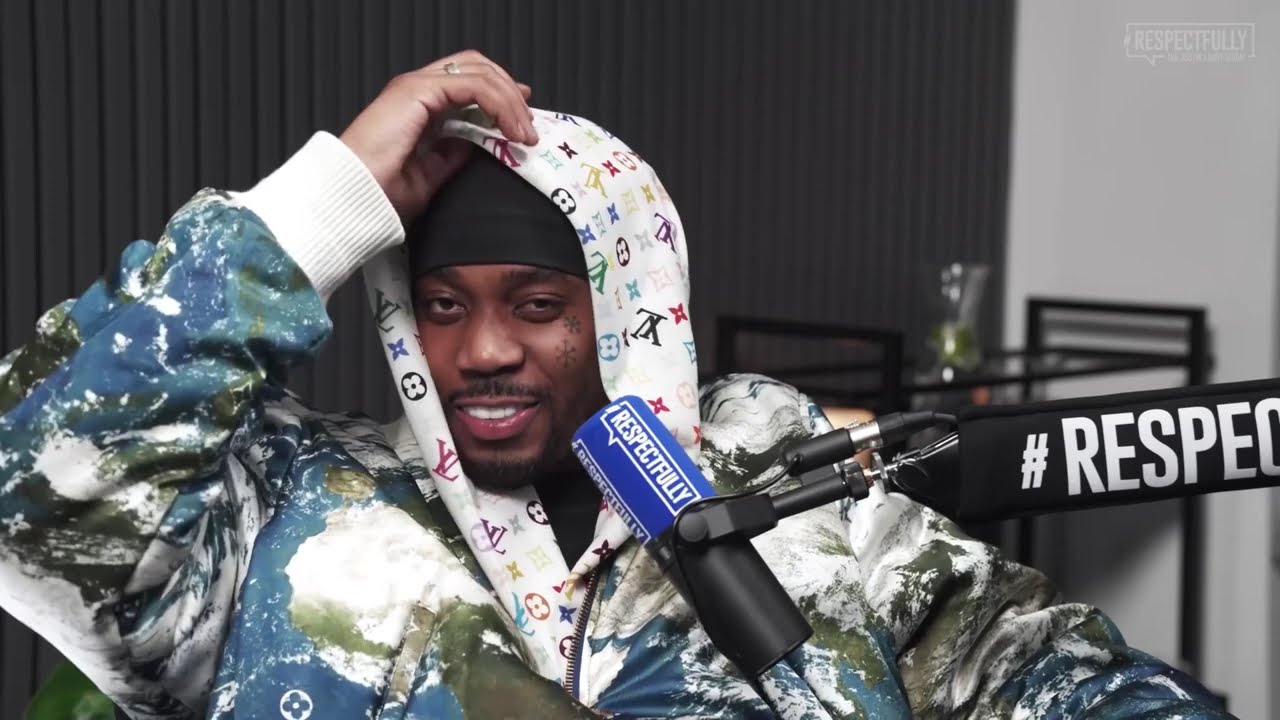
# 21 Savage PANICS After Fivio Foreign LEAKS His FREAKY Tape With Young Thug & Latto
It started like a typical rap disagreement.
Then it swerved into something far uglier.
Over a chaotic stretch of posts, livestream clips and talk-show chatter, Fivio Foreign has claimed he’s sitting on “tapes” that would embarrass 21 Savage and flip their simmering dispute into all-out scandal.
The most explosive allegation: that a sexually explicit video exists involving 21 Savage, Young Thug, and rapper Latto.
No proof has been publicly verified.
No full tape has been authenticated.
But in the attention economy, the accusation alone hit like a grenade.
And by the time the internet finished refreshing, the beef wasn’t about bars or bravado anymore.
It was about secrets.
According to online chatter around the feud, the whole blow-up traces back to a broader conversation about the street code — and whether successful rappers should keep paying homage to it or finally admit it only brings prison, funerals, and trauma.
21 Savage, who has increasingly positioned himself as an advocate for de-escalation, appeared to call for peace between Atlanta artists locked in tense situations.
On social media, he urged reconciliation and pushed a blunt message about letting go of the most destructive parts of street life.
In one widely shared post, he told rival camps to “fix that” and added, “F the streets,” a line supporters took as anti-violence, not anti-community.
He also referenced another highly publicized feud, claiming he’d tried to get parties on a group text before things escalated.
From there, the mood shifted fast.
Fivio appeared to take the “F the streets” messaging personally.
To him, the phrase read less like a plea to stop crashing out and more like disrespect to the environment that helped artists rise.
He fired off a long rant describing the streets as a “support system,” warning he didn’t want to see anyone from that world backing artists who speak on it like it’s disposable.
He wrote about the difference between rejecting senseless violence and rejecting the streets entirely.
And he framed himself as someone who would never “turn my back.”
That misunderstanding — or strategic misreading — became the fuse.
Soon, the argument left Twitter and entered the commentary circuit.
Fivio turned up on DJ Akademiks’ platform and questioned whether 21 Savage had the credibility to speak for, or against, the street ethos.
In a clip that circulated widely, the tone was skeptical, almost prosecutorial.
“Why you think 21 Savage is a street?” he pressed.
The conversation spiraled.
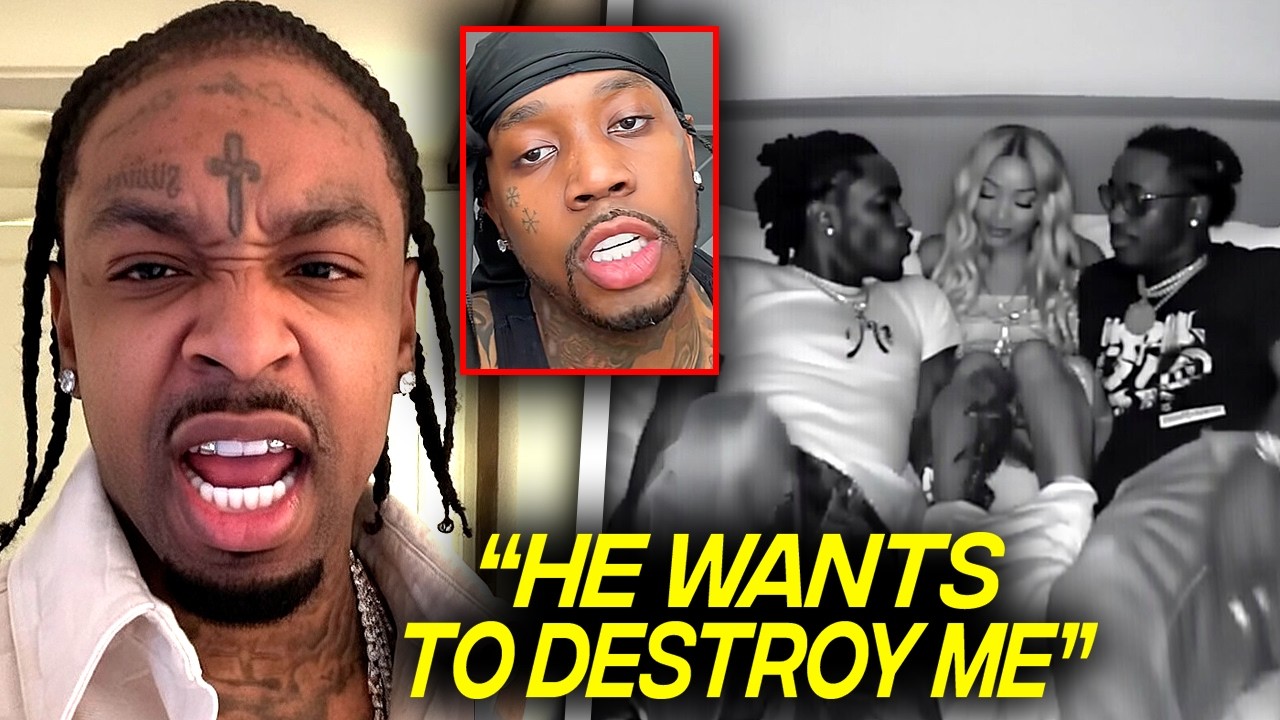
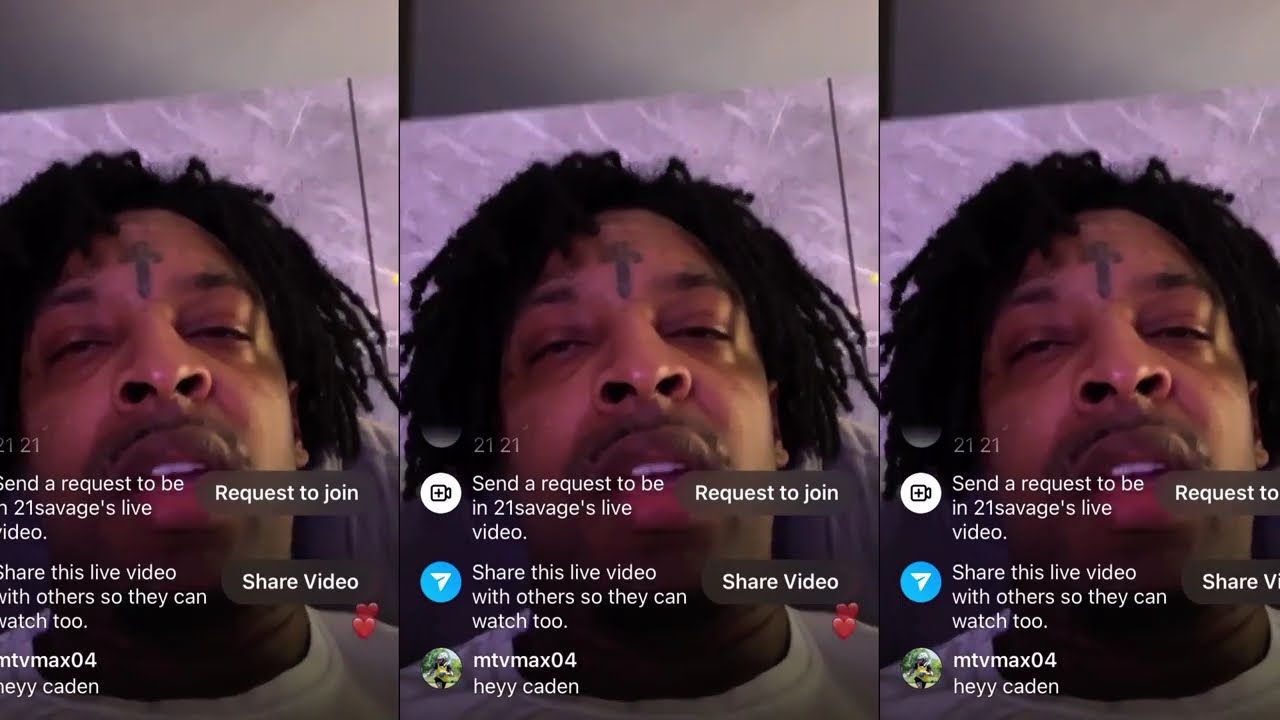
21 Savage eventually responded on livestream, sounding fed up and contemptuous.
He told Fivio to stop saying his name.
“Stop saying my name,” he snapped.
He mocked the idea that carrying a small gun and chasing rap stardom for decades qualifies someone to lecture anyone.
And he suggested certain people talk big online while real life tells a different story.
For a moment, it looked like the clash might stay within the usual boundaries: insults, clout, and a few pointed accusations about who’s real.
Then Fivio went nuclear.
In a post that fans immediately screenshotted, he hinted he had dirt that would make 21’s moralizing look hypocritical.
He wrote a crude line implying 21 wasn’t just preaching “F the streets,” but was also involved in behavior that would shock the public.
21 shot back with a jab at “rappers who beat up women,” a remark many interpreted as a reference to Fivio’s past legal trouble.
That was gasoline.
And Fivio’s next move was the one that turned a messy dispute into a potentially career-altering storm.
He alleged the real reason 21 defends Young Thug so loudly is personal — not political.
He claimed the two men have a sexual history.
He claimed Latto was involved.
He implied there’s video.
He implied receipts.
These are allegations.
They remain unproven.
And representatives for the artists have not publicly confirmed any such claims.
Still, the internet heard the words “tape” and did what it always does: it amplified.
Within hours, social media timelines were flooded with speculative threads, old clips, and recycled gossip.
Some users demanded evidence.
Some declared the story fake.
Others treated the insinuation itself as “proof,” dissecting pauses, friendships, lyrics, and body language like amateur detectives.
The most uncomfortable part, critics noted, was how quickly the conversation slid into sexuality as a weapon.
Because even if the allegations were true — and there is currently no verified evidence that they are — being queer or bisexual is not a crime.
But in rap culture’s loudest corners, insinuation still gets used like a blade.
Young Thug, in particular, has spent years being the subject of rumors about his sexuality and presentation.
Fans pointed back to moments from his career: fashion choices, playful language, and interviews where he pushed back on being labeled.
In one older interview, he explained a notorious outfit choice as more about aesthetics than identity and complained about being misjudged.
He added that people yelling “gay” were doing exactly what they accused him of: judging.
He has also faced controversy for past social media outbursts, including deleted posts that sparked backlash and dragged other Atlanta names into the conversation.
Those old screenshots resurfaced.
So did snippets from jail call leaks that, online, have been debated, memed, and argued over in circles for years.
To supporters, it’s all noise.
To skeptics, it’s “context.”
To the algorithm, it’s content.
Latto, meanwhile, became collateral.
Her name was pulled into a story she did not ask to be part of, turning a heated argument between men into a broader spectacle that risked misogynistic pile-ons.
As of now, there has been no verified material publicly released showing Latto in any intimate video with either artist.
And the rumors spreading across platforms are not evidence.
But the damage of being mentioned is real.
That’s the tabloid math: allegation plus virality equals reputation harm, even without proof.
What’s striking is how quickly 21 Savage went quiet after the most graphic claims started circulating.
To fans, the silence looked like panic.
To others, it looked like strategy — refusing to dignify a reckless accusation with oxygen.
To his critics, it was “telling.”
But silence isn’t a confession.
And online “body language analysis” isn’t journalism.
Still, the timing mattered.
The longer the claims sat unanswered, the more they metastasized.
Meanwhile, Fivio’s camp has not provided a verifiable tape, metadata, or any independent confirmation that such a recording exists.
He has spoken as if he has “receipts.”
Yet receipts in the internet era can mean anything from a DM screenshot to a rumor repeated loudly enough to sound true.
Behind the noise, there’s a more basic question.
Is this a misunderstanding spiraling out of control.
Or a deliberate escalation designed to force attention.
Because that’s the playbook now.
If the timeline starts yawning, you raise the stakes.
If the audience gets bored, you promise “proof.”
If you can’t win the argument, you try to win the spectacle.
The core dispute — what “F the streets” really means — got completely drowned out.
In its place: insinuations, identity policing, and a race to the bottom.
For 21, the risk is obvious.
Even a false accusation can stick.
Brand partners flinch.
Playlists quietly reshuffle.
Tour chatter turns sour.
For Young Thug, the risk is different.
He’s long been a lightning rod, and every recycled clip becomes “evidence” to strangers who don’t know him.
For Latto, the risk is being turned into a prop.
And for Fivio, the risk is that escalating to sexual allegations could backfire if he can’t substantiate anything.
Because there’s a line between talking tough and making claims that can carry legal consequences.
There’s also the moral question: if an intimate video exists, leaking it would be a violation — not a victory.
At this point, both sides appear dug in.
21 has disputed the narrative through mockery and dismissal.
Fivio has doubled down through insinuation.
And the audience is split between those calling it cap, those demanding proof, and those treating rumor as entertainment.
Neither camp has produced independently verified evidence to settle the central claim.
And without that, the story remains what it is: a viral allegation bouncing between timelines.
Until anyone produces a verifiable file, a source, or a confirmation, it’s all talk—loud, lucrative, and potentially damaging to everyone involved here today.
What’s left is a familiar modern mess.
A feud that started with ideology and ego.
A platform ecosystem built to reward escalation.
And a set of allegations that, true or not, can’t be stuffed back into the bottle.
If there is no tape, the story will eventually fade into the graveyard of internet hoaxes.
If there is a tape, and it’s leaked, the fallout will be vicious — and not just for the people on camera.
Either way, the beef has already mutated.
It’s no longer about who’s “street.”
It’s about who can survive the rumor mill.
And in 2026’s rap discourse, that might be the most dangerous battleground of all.