The Disturbing Questions Surrounding Diddy, Justin Bieber, and the Industry’s Silence
For years, the clips were right there in public. People laughed them off, brushed them aside, and treated them like awkward celebrity moments that meant nothing. But once those same clips started being replayed through a different lens, they no longer looked harmless.
What once passed as joking, mentorship, and industry access now feels much darker in the eyes of many watching. And at the center of that growing unease is a troubling question: why was a child allowed so close to powerful adults in spaces that never seemed meant for him?
When Old Footage Stops Looking Innocent
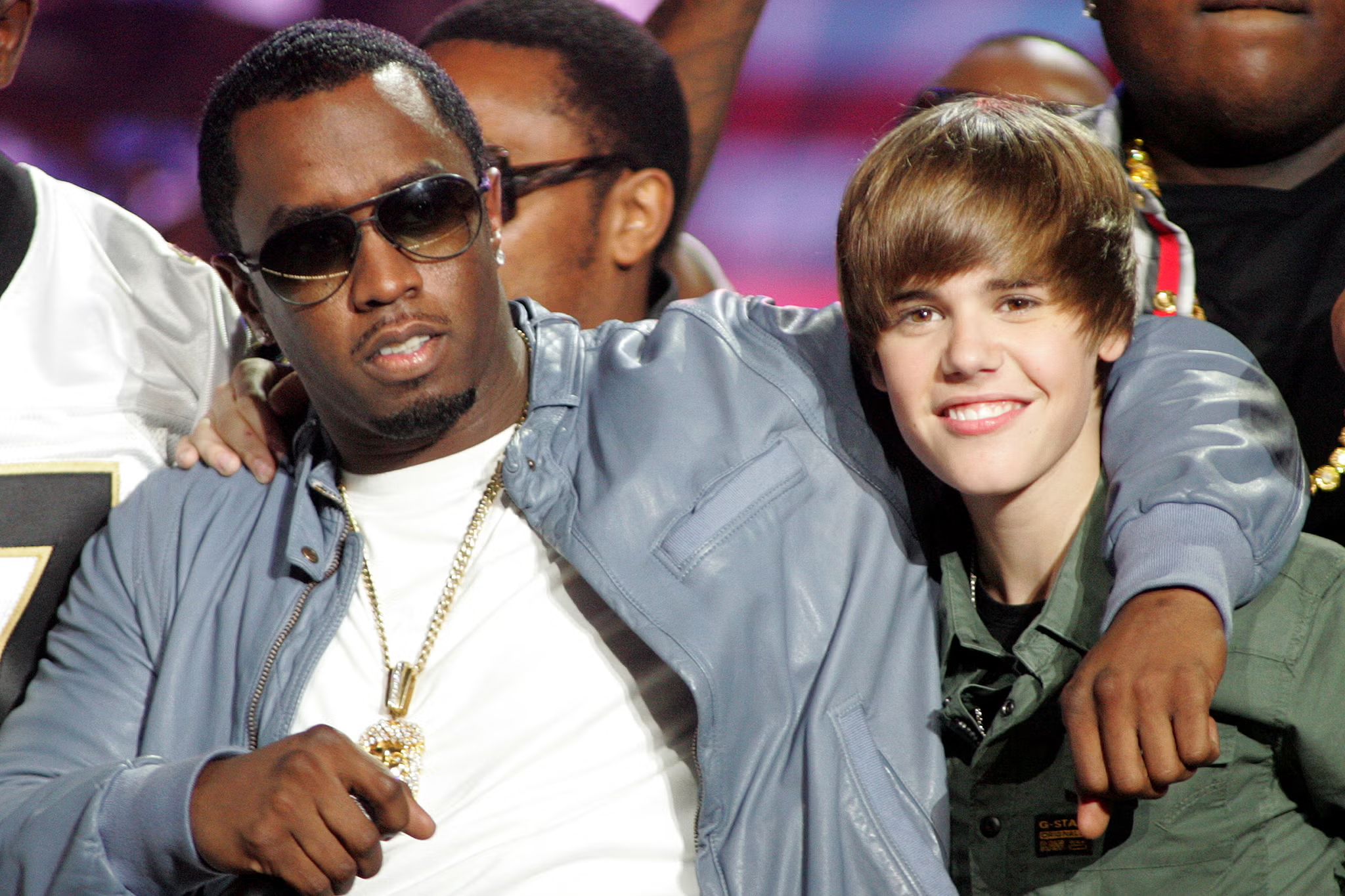
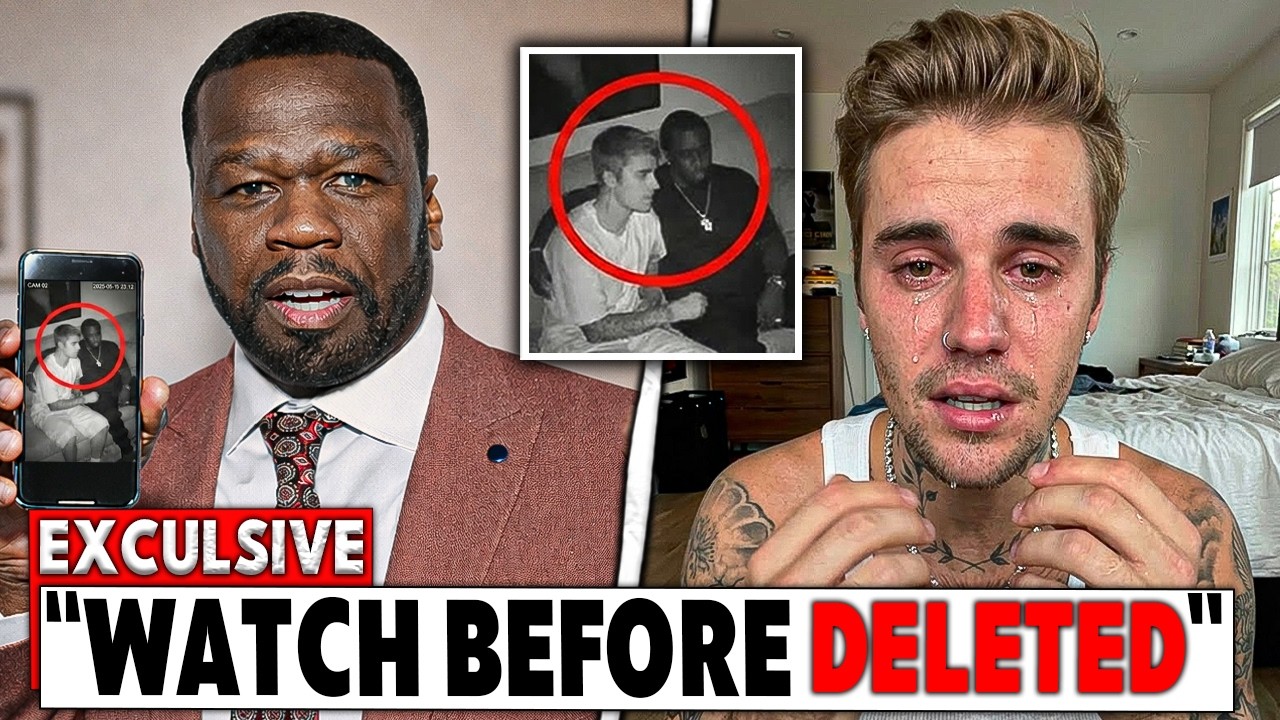
The story turns on a series of moments that were once dismissed as playful or strange but harmless. In one of the most widely discussed clips, Justin Bieber appears alongside Diddy while the two talk about spending time together and doing things they “can’t really disclose.” Diddy refers to Bieber being with him for 48 hours and frames it as the kind of experience a 15-year-old would dream about.
At the time, it was easy for people to move on from a moment like that. Now, many see it differently. The setting, the tone, and the power imbalance all feel more unsettling when viewed with the benefit of hindsight. What stands out most is not just what was said, but how casually it was said in public.
A Pattern That Feels Bigger Than One Person
What makes the situation feel even more disturbing is the claim that this was not an isolated dynamic. The same conversation points back to Usher, who has spoken in the past about being exposed to things at a young age that he should not have seen.
That history matters because it creates the image of a cycle. A younger artist is drawn into the orbit of a more powerful figure, told he is being guided, protected, and mentored, and then surrounded by adults who control the room, the rules, and the future. In that telling, Justin Bieber’s rise stops looking like a simple success story and starts to feel like something far more complicated.
The Usher Question
Much of the anger in this account is directed not only at Diddy, but at Usher. The argument is that Usher knew enough from his own experiences to understand the risks, yet still allowed Justin Bieber to be placed in Diddy’s world.
That accusation gives the story its emotional center. It is one thing, in this narrative, for a powerful figure to exploit access and influence. It is another for someone who may have once needed protection himself to later bring another young artist into the same environment. That is why the story frames Usher not as a bystander, but as someone whose role deserves just as much scrutiny.
Mentorship or Something More Troubling?
For years, the language around these relationships was flattering. People called it guidance, mentorship, and brotherhood. They described it as one generation helping the next. But that language begins to fall apart once the details are examined more closely.
A teenager spending unsupervised time with powerful adults, references to temporary guardianship, talk of adult spaces, and repeated suggestions that young artists were being shaped in private all give the story a far darker edge. What used to sound like access to opportunity now sounds, to many, like unchecked authority dressed up as care.
The Cost of Silence
Another major theme in this account is silence. The suggestion is that too many people saw things that should have raised concern, but said nothing. Some were too powerful to challenge. Others may have been too invested in protecting the system around them.
That silence becomes even more painful when paired with Justin Bieber’s later emotional comments about wanting to protect younger artists from going through what he went through. In this telling, those remarks are not random or sentimental. They are treated as signs of someone who understands the dangers of fame at a young age in a way most people never will.
Fame, Control, and the Price of Being Young
The deeper point running through all of this is that early fame can place young artists in rooms where they have no real power, even when the world sees them as stars. They may be wealthy, famous, and adored, but still surrounded by adults who make decisions for them, profit from them, and shape what they are allowed to say.
That is why the story feels bigger than just one celebrity scandal. It becomes a commentary on an industry where loyalty matters more than truth, where access can be used as leverage, and where the people most in need of protection are often the least able to demand it.
Questions That Refuse to Go Away
Whether every claim ever becomes fully proven or not, the discomfort around these moments is no longer easy to dismiss. Too many clips, too many comments, and too many years of rumors have built a narrative that now feels impossible for many people to ignore.
Once those images are seen differently, they do not easily return to being harmless. What looked like jokes now feels heavy. What looked like mentorship now raises suspicion. And what once seemed like celebrity noise now sounds, to many, like the warning signs of something that should have been questioned much sooner.
For now, the biggest question remains the one that has lingered beneath all the footage and all the speculation: how much did people know, and why did so few seem willing to say anything at all?