Viral Epstein Claims and Celebrity Connections Fuel Ongoing Debate Over Power and Accountability
A surge of viral content and online discussion has once again brought Jeffrey Epstein’s network into the spotlight, with renewed attention on public figures, leaked documents, and calls for accountability. As clips, interviews, and commentary circulate widely, the conversation has expanded to include celebrities, business leaders, and political figures—though much of what is being shared remains a mix of confirmed facts, interpretation, and speculation.
Renewed Focus on the Epstein Files
The discussion centers on documents and materials tied to Epstein’s activities, including records such as emails, contact lists, and flight logs. These materials have long been part of ongoing investigations and legal proceedings, and their release or reinterpretation continues to draw public attention.
However, it’s important to note that appearing in such documents does not, on its own, establish wrongdoing. Many names surface in connection with social, professional, or incidental contact, which can later be amplified or misinterpreted online.
High-Profile Names and Public Scrutiny
Figures like Bill Gates, Prince Andrew, and Naomi Campbell have been widely discussed in relation to Epstein, largely due to documented interactions or associations. Some of these connections have already been publicly addressed, while others continue to generate questions.
At the same time, no new verified findings have emerged in the context of the claims currently circulating online. Much of the renewed attention stems from viral posts and commentary rather than newly confirmed evidence.
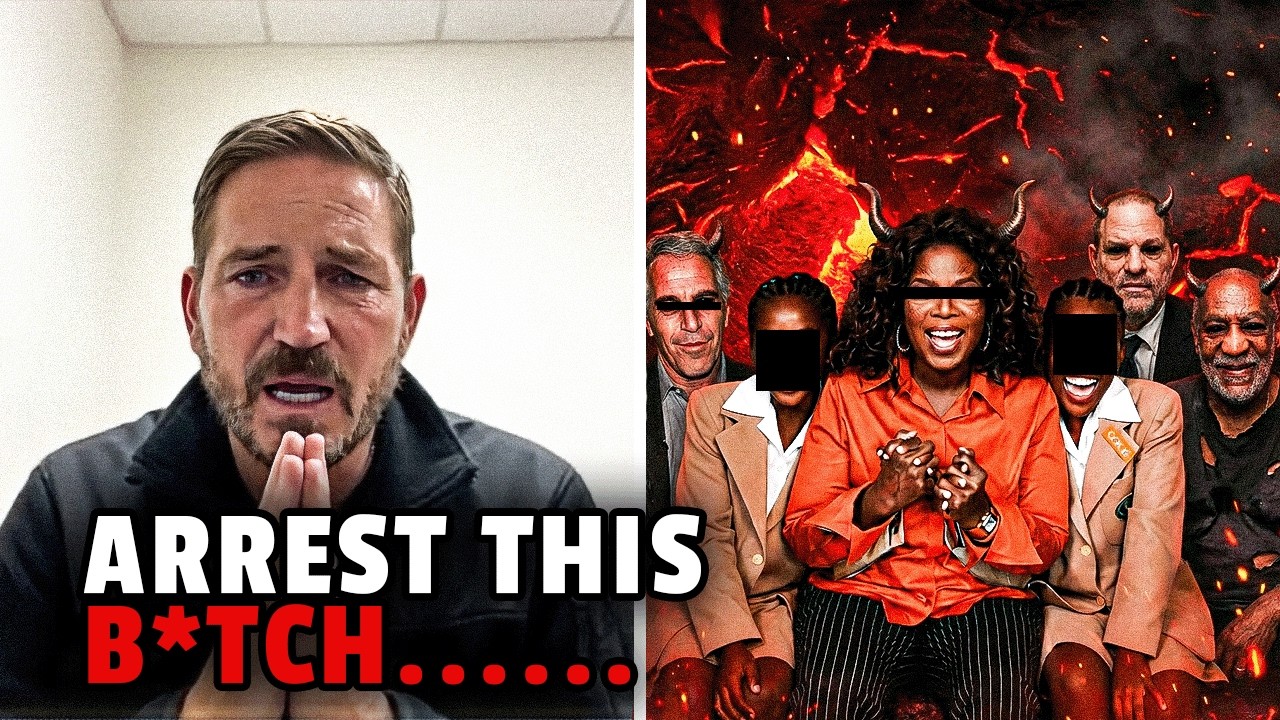
Videos and commentary—often framed as “exposés” or “warnings”—have played a major role in amplifying the conversation. Public figures such as actor Jim Caviezel have spoken broadly about issues like human trafficking and the need for transparency, and these statements are frequently shared alongside Epstein-related discussions.
In many cases, however, these narratives combine factual elements with unverified claims, making it difficult to separate confirmed information from speculation.
Questions of Accountability
One of the central themes driving the conversation is whether those connected to Epstein’s social or professional circles will face consequences. This question has persisted since Epstein’s death in 2019, with ongoing legal actions and document releases continuing to shape public perception.
While some individuals have faced legal scrutiny or civil cases, others have not been charged with wrongdoing, despite their names appearing in various records.
The Complexity of the Network
Epstein’s network was extensive, spanning multiple industries and countries. The documents associated with his case offer insight into the scale of his connections, but they do not always provide clear conclusions about individual involvement.
As a result, interpretations can vary widely, especially when information is presented without full context.
The Importance of Verified Information
The current wave of discussion highlights the challenges of navigating complex, high-profile cases in the digital age. Viral content can give the impression of new revelations, even when it repackages or reinterprets existing information.
Distinguishing between documented facts, legal findings, and unverified claims remains essential in understanding the situation accurately.
An Ongoing Story
As interest in the Epstein case continues, so does the broader conversation about power, influence, and accountability. While many questions remain unanswered, the narrative is still evolving through legal processes, reporting, and public discourse.
For now, the key takeaway is clear: the topic remains highly complex, and much of what is circulating online should be approached with careful scrutiny.