What was framed as a defining moment in hip-hop accountability is now facing growing scrutiny. The Netflix docuseries executive produced by 50 Cent, centered on Sean “Diddy” Combs, initially arrived with major attention and bold claims. But in the weeks since its release, the conversation has shifted—from impact to controversy.
From Cultural Moment to Legal Turbulence

The series debuted as a high-profile exposé, drawing significant viewership and positioning itself as a turning point in how the industry confronts serious allegations. For a time, it appeared to dominate public discourse.
That momentum has since been disrupted by a lawsuit filed by Clayton Howard, a participant in the documentary. He is seeking $20 million, alleging that his testimony was edited in a way that misrepresented key parts of his account.
Claims of Edited Testimony

According to the lawsuit, Howard argues that he agreed to participate under the expectation that his full story would be presented. Instead, he claims that portions of his account were removed, particularly statements involving Cassie Ventura.
The documentary portrays Cassie as a central figure whose experience shaped the narrative of the series. Howard, however, alleges that his perspective was altered through editing choices, affecting how his testimony was understood by viewers.
He further claims that this portrayal has had consequences for his credibility, especially in relation to other legal matters connected to his allegations.
Questions Around Editorial Decisions
The lawsuit has prompted broader questions about how the documentary was constructed. Critics are now asking whether key details were omitted for legal reasons, narrative clarity, or other considerations tied to the series’ impact.
The issue is not limited to one individual’s account. It raises concerns about how complex and conflicting testimonies are handled in projects that present themselves as factual narratives.
50 Cent’s Public Role and Ongoing Tension
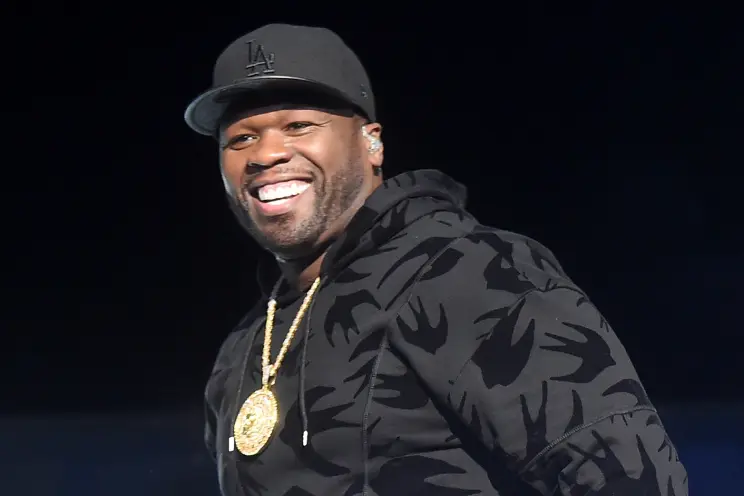
Beyond the legal dispute, attention has also turned to 50 Cent’s role in shaping the conversation around the series. Known for longstanding tensions with Diddy, he has publicly amplified speculation through social media posts and commentary.
He has also made references to other high-profile figures, including Jay-Z and Beyoncé, suggesting that additional revelations could follow. However, no further material has emerged to support those claims.
The absence of follow-up developments has contributed to growing skepticism about whether the broader narrative will continue or lose momentum.
Silence From Key Figures
Jay-Z and Beyoncé have not publicly responded to the speculation or commentary surrounding the documentary. Their silence has become part of the story, fueling ongoing discussion while leaving questions unanswered.
At the same time, other legal developments connected to Diddy continue to unfold. While he is currently serving a sentence, his legal team is pursuing an appeal that could alter the outcome of his case.
A Narrative Still in Flux
The combination of legal challenges, editorial criticism, and unresolved claims has shifted how the documentary is being viewed. What initially appeared to be a conclusive statement now feels more like one chapter in a continuing and uncertain situation.
The lawsuit against Netflix and the production team adds another layer, focusing attention on the responsibilities involved in telling real-life stories that intersect with ongoing legal matters.
Broader Questions About Media and Accountability
At its core, the situation highlights tensions between storytelling and responsibility. Projects that aim to expose wrongdoing often rely on personal testimony, but how that testimony is presented can shape public perception in powerful ways.
The case raises questions about where the line is drawn between narrative construction and factual representation, especially when the stakes involve real individuals and unresolved legal issues.
An Unfinished Story
As legal proceedings continue and public interest remains high, the situation surrounding the documentary is far from resolved. The lawsuit, the appeal process, and the unanswered questions all point to a story that is still evolving.
For now, what began as a moment of reckoning has become something more complicated—an ongoing debate about credibility, accountability, and how stories are told in the age of streaming.