Taraji P. Henson’s Hollywood Frustration Sparks New Debate Around Beyoncé and Blue Ivy
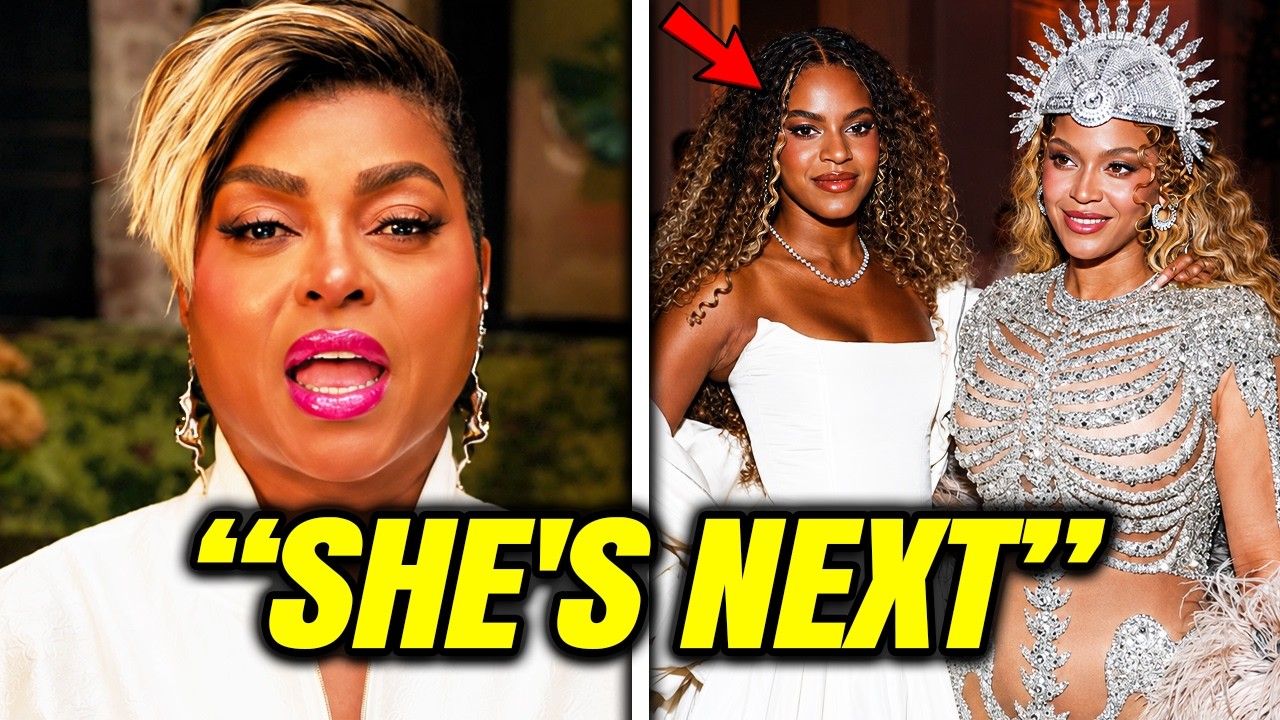
For years, Taraji P. Henson has spoken openly about the struggles she’s faced in Hollywood despite decades of success. But at the 2026 Met Gala, her frustration seemed to hit a breaking point, igniting a wave of conversation that quickly expanded far beyond pay inequality and celebrity culture.
What began as criticism of the event’s sponsorship soon turned into intense online speculation surrounding Beyoncé, Blue Ivy Carter, and the growing role Blue Ivy appears to be playing in the entertainment world.
Taraji’s Frustration With the Industry
Taraji P. Henson has never hidden her disappointment with the way Hollywood treats Black actresses. After nearly 30 years in the business and an Oscar nomination, she revealed she still feels undervalued and underpaid despite constantly proving herself.
She described the exhaustion of repeatedly breaking barriers only to find herself back at the bottom whenever contract negotiations begin again. For Taraji, the issue goes beyond personal frustration. She questioned what message the industry sends when even accomplished women continue fighting for fair treatment.
Her comments resonated because they reflected years of accumulated disappointment rather than a single emotional moment.
The Met Gala Controversy
At the center of the conversation was the 2026 Met Gala, an event heavily tied to billionaire sponsorships and celebrity influence. Reports described the evening as financially fueled in large part by Jeff Bezos, with the event reportedly bringing in record-breaking revenue.
Taraji indirectly addressed the issue through social media, posting content about working conditions and wages connected to Amazon alongside the caption, “Enjoy the Met.”
The message was brief, but many interpreted it as criticism aimed at celebrities attending the event while remaining silent about the people behind its funding.
Beyoncé’s Return to the Met Gala
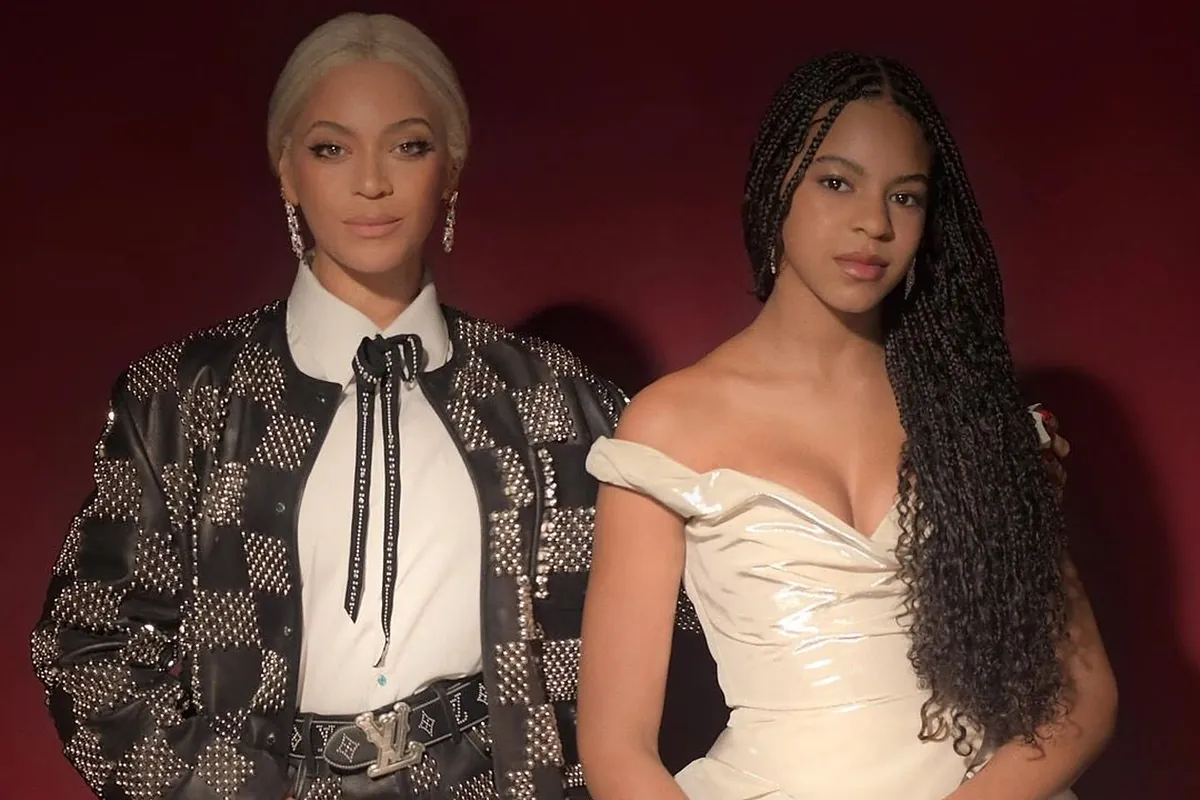
The event also marked Beyoncé’s first Met Gala appearance in a decade. This time, however, she arrived not only as a major figure at the event but alongside her 14-year-old daughter, Blue Ivy.
That immediately caught attention because the Met Gala has long maintained an 18-and-over policy. Blue Ivy’s appearance reportedly came through a special exception tied to Beyoncé’s role as co-chair.
Many online viewed the moment as symbolic. Blue Ivy was no longer appearing as a celebrity child in the background. She was stepping directly into one of fashion and entertainment’s biggest spotlights.
Commentary quickly focused on whether this was simply a family moment or part of a larger introduction into celebrity culture.
The Symbolism Behind the Fashion
Much of the online speculation centered around the outfits worn by Beyoncé, Blue Ivy, and Jay-Z.
Beyoncé’s gown reportedly drew inspiration from a 1944 artwork called The Visitor, featuring skeletal imagery meant to symbolize mortality. The dramatic design became one of the night’s most discussed looks.
Standing beside her, Blue Ivy wore a flowing cream-colored gown that many online compared to bridal fashion, while Jay-Z appeared in a tuxedo that some viewers claimed resembled his wedding attire.
Together, the imagery fueled intense online theories. Social media users began interpreting the coordinated looks as symbolic storytelling, with some claiming it represented a passing of the torch from mother to daughter.
Others pushed the idea even further, framing the visuals as ritualistic or deeply intentional beyond fashion itself.
Old Allegations Resurface
As the symbolism debate spread online, older accusations involving Beyoncé resurfaced as well.
Former drummer Kimberly Thompson, who worked with Beyoncé for several years, previously filed allegations in 2018 accusing the singer of extreme witchcraft and spiritual harassment. The claims included accusations of dark magic, financial interference, and other disturbing allegations.
The case was eventually dismissed after Thompson failed to appear in court, but the accusations never fully disappeared from internet discussions.
Following the Met Gala appearance, social media users revived those claims, tying them to the imagery from Beyoncé’s gown and reigniting conspiracy theories that had circulated for years.
The “Blue Ivy Handoff” Theory
The loudest discussion online centered around what many called the “replacement” or “handoff” theory involving Blue Ivy’s growing visibility.
People pointed to a long list of milestones achieved at an unusually young age. Blue Ivy appeared on a chart-topping song shortly after birth, earned a Grammy as a child, joined performances during the Renaissance tour, voiced a character in Mufasa, appeared in halftime performances, and now made a highly publicized Met Gala debut at 14.
To many observers, these moments did not seem random. Instead, they appeared carefully structured, almost like stages in building a future entertainment career.
Some online commentators compared the strategy to carefully managed celebrity branding, arguing that Blue Ivy’s public evolution has been unfolding for years.
Even comments from Tina Knowles added fuel to the conversation. Tina previously admitted she hoped Blue Ivy would choose a path outside entertainment because of the sacrifices fame demands.
That statement now feels especially significant to many watching Blue Ivy move deeper into the spotlight.
One of the night’s most talked-about moments had nothing to do with fashion at all.
During the red carpet appearance, several adults, including Beyoncé’s publicist, stylist, and eventually Jay-Z himself, reportedly asked Blue Ivy to remove her sunglasses for photos. According to the story circulating online, she repeatedly refused.
The moment quickly became internet fuel. Some viewers interpreted it as confidence and independence, while others saw it as evidence that Blue Ivy already carries the authority and presence of a major celebrity.
For online audiences already convinced a transition was happening, the interaction became another piece of the larger narrative surrounding her public image.
A Conversation Bigger Than Fashion
By the end of the night, the conversation had moved far beyond celebrity outfits.
Taraji P. Henson’s criticism of industry hypocrisy collided with growing debate about fame, power, celebrity children, and the machinery behind modern stardom. Beyoncé’s appearance with Blue Ivy became a lightning rod for questions about influence, branding, and how early fame begins for children born into entertainment dynasties.
Whether people viewed the night as a simple mother-daughter moment, strategic image-building, or something far more symbolic depended entirely on their perspective.
But one thing became clear: the 2026 Met Gala sparked a conversation that reached far beyond the red carpet itself.