Snoop Dogg’s Alleged Private Warnings About Diddy Spark New Questions
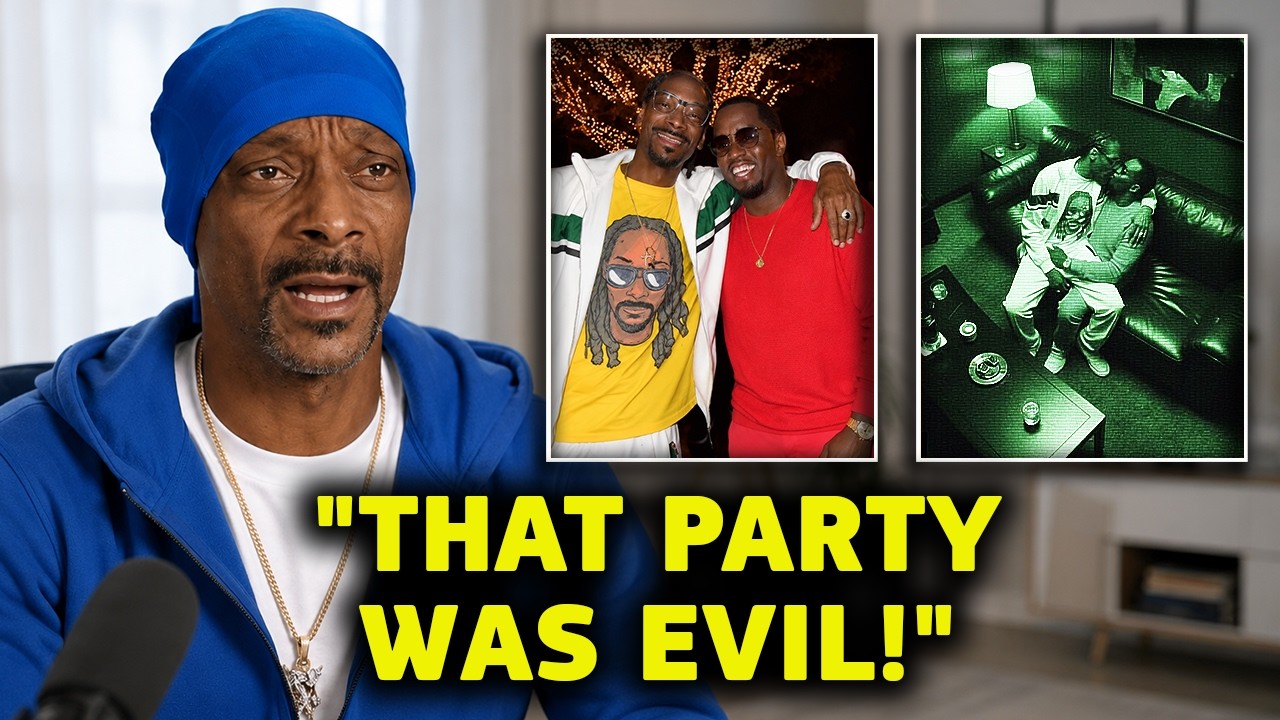
For years, Snoop Dogg cultivated the image of a laid-back cultural icon — a rapper turned mainstream celebrity who moved effortlessly between hip-hop, television, sports broadcasts, and family-friendly entertainment. But new allegations tied to private conversations within his inner circle are casting that image in a far more complicated light.
The claims center on what Snoop allegedly knew about Sean “Diddy” Combs long before federal investigations and public lawsuits brought the music mogul under intense scrutiny. According to people said to be familiar with those conversations, Snoop privately described disturbing behavior, dangerous environments, and even alleged criminal activity connected to Diddy’s world — while remaining publicly silent for years.
Now, as lawsuits, documentaries, and sealed court documents continue to loom over the entertainment industry, that silence is becoming the focus of growing attention.
Allegations That Never Reached the Public
According to accounts circulating from people allegedly close to Snoop’s longtime circle, he often spoke carefully but confidently about Diddy in private settings. These conversations reportedly took place with bodyguards, business associates, younger artists, and trusted members of his entourage.
The descriptions go beyond vague discomfort. Snoop allegedly spoke about avoiding Diddy’s events after a certain hour because the atmosphere would supposedly change late into the night. Some people claim he referred to strict routines his team followed whenever attending those parties, including leaving quickly and avoiding certain situations altogether.
The picture being painted is not of someone casually suspicious. It is of someone who believed he understood exactly where danger existed and how to avoid it.
Some believe those private conversations began surfacing because Snoop felt safer once Diddy’s legal troubles became public. Others think the leaks may have been intentional, allowing certain stories to emerge slowly before potentially larger revelations arrive later.
Whatever the reason, the alleged comments are now fueling broader speculation about what powerful figures in the music industry may have known behind closed doors.
Among the most serious allegations are claims that Diddy’s private gatherings were allegedly used to gain leverage over influential people. According to individuals said to have heard Snoop directly, he believed compromising situations were being documented and later used as blackmail material.
The accusations become even darker from there.
Some accounts claim Snoop privately said he had seen minors present at certain gatherings. The allegations do not suggest he participated in wrongdoing, but critics now question why someone with that level of alleged knowledge never spoke publicly or contacted authorities.
Other stories describe Snoop allegedly boasting that he possessed enough information to destroy Diddy legally if he ever chose to come forward. According to those retelling the conversations, he referenced specific incidents he claimed to have witnessed — incidents that never became part of any public trial.
If true, those claims raise uncomfortable questions about whether crucial information was withheld for years.
What Was Already Public
Even without the alleged private conversations, Diddy’s legal troubles had already become one of the entertainment industry’s biggest scandals.
Federal agents raided his homes in 2024. Authorities reportedly seized large quantities of evidence, including firearms and other materials. Surveillance footage from a 2016 hotel incident involving singer Cassie Ventura became public and was later shown in court.
Diddy ultimately faced convictions related to transportation connected to commercial sex acts. However, prosecutors failed to secure convictions on racketeering and human trafficking charges, meaning they did not fully prove the broader criminal enterprise they alleged.
That detail has become central to the speculation surrounding Snoop’s alleged private statements. According to the rumors, he may have possessed information tied to coercion, intimidation, or underage victims — information that could potentially have changed the legal outcome had it surfaced publicly or in court.
Theories Behind the Silence
Why would someone allegedly carrying such serious knowledge remain quiet for so long?
Several theories continue to circulate.
One possibility is simple self-preservation. Testifying against someone as powerful and connected as Diddy could carry enormous personal and professional consequences. Another theory suggests prosecutors may never have known what Snoop allegedly knew because the information remained confined to private conversations within trusted circles.
There is also the possibility that silence became part of the industry’s culture itself.
The entertainment world described in these allegations operates heavily on loyalty, access, and reputation. Speaking publicly could mean losing relationships, business opportunities, and protection within elite circles. According to the narrative emerging from these leaks, many people may have made the same calculation for years: stay quiet and survive.
That possibility is now turning attention toward not only Diddy, but everyone who may have known something and chose not to speak.
Pressure From Lawsuits and Documentaries
The pressure surrounding the case continues to grow.
Attorney Tony Buzbee’s civil lawsuits reportedly involve more than 120 accusers across multiple states, including allegations involving minors. Meanwhile, documentaries and investigative series connected to Diddy are already in development across several major media platforms.
Those productions are expected to include interviews with former associates, employees, security personnel, and people connected to the industry’s inner circles. As more voices begin speaking publicly, private conversations that once stayed hidden could become part of legal proceedings or public investigations.
That possibility may be especially dangerous for anyone accused of knowing more than they admitted publicly.
Former bodyguards, assistants, executives, and artists who allegedly heard Snoop’s private comments could potentially be subpoenaed or interviewed under oath. If that happens, stories once dismissed as rumors could suddenly carry far more weight.
A Carefully Managed Public Image
For decades, Snoop successfully transformed himself from controversial rapper into a universally recognizable celebrity brand. His collaborations with figures like Martha Stewart, appearances at the Olympics, and mainstream television roles helped redefine him as approachable, funny, and culturally untouchable.
But the allegations surrounding these leaked conversations threaten that carefully managed image.
Critics now argue that silence no longer looks neutral if the rumors are true. Instead, they say it begins to resemble strategic distance — staying close enough to understand what was happening while remaining far enough away to avoid consequences.
That interpretation has fueled renewed interest in old interviews and public appearances where Snoop appeared visibly uncomfortable whenever discussions turned toward Diddy or his parties.
To some observers, those moments now seem more revealing than they once did.
The Questions Still Hanging Over the Story
At the center of all this remains one unresolved question: if Snoop truly knew as much as people claim, why did he never come forward publicly?
The answer may involve fear, legal exposure, loyalty, business survival, or some combination of all three. Admitting knowledge of serious alleged crimes while failing to report them could create problems far beyond public relations.
For now, much of the story remains based on leaked conversations, speculation, and accounts from unnamed sources. But with lawsuits expanding, documentaries in production, and sealed records still looming over the case, the pressure surrounding everyone connected to Diddy’s orbit appears far from over.
And as more people begin speaking, the silence that once protected powerful figures may become harder to maintain.