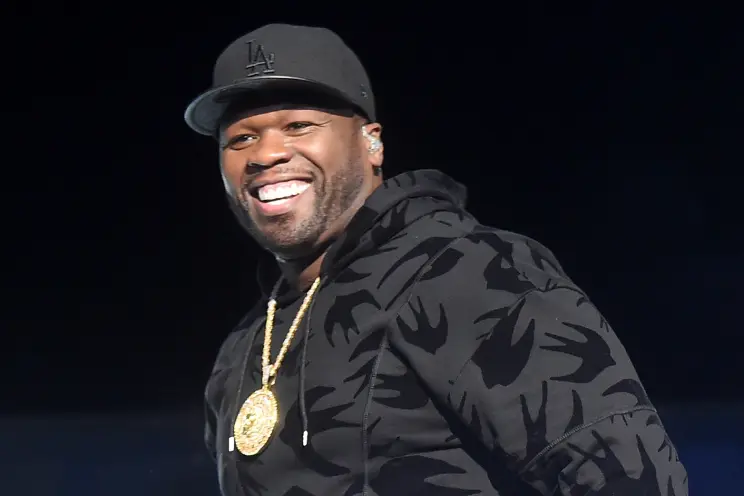
50 Cent vs. Diddy: “Expose” Part 2 and the Reckoning No One Saw Coming
The long-running conflict between 50 Cent and Sean “Diddy” Combs has entered its most volatile chapter yet. According to multiple reports circulating within entertainment circles, Part 2 of the film titled “Expose,” directed by 50 Cent himself, is preparing to do what few projects have dared to attempt: publicly name more than 30 high-profile figures allegedly connected to the scandal surrounding Diddy. If true, the film could mark a defining moment not just in hip-hop history, but in the broader conversation about power, protection, and accountability in the entertainment industry.
For years, 50 Cent has stood almost alone in his willingness to openly challenge one of the most influential figures in music and media. While many artists, executives, and celebrities opted for silence—or careful distance—50 Cent took a different path. He spoke out when others whispered. He mocked when others deflected. And, perhaps most provocatively, he warned again and again that “everything would eventually come to light.”

At the time, those statements were often dismissed as trolling, rivalry, or calculated provocation. After all, hip-hop has always thrived on conflict, bravado, and public feuds. But what once looked like theatrics is now being reframed as something far more deliberate. With “Expose” Part 2, 50 Cent appears determined to transform years of commentary into a direct, confrontational narrative.
Sources familiar with the project describe the film as an investigative effort rather than a personal attack. Unlike vague social-media posts or cryptic interviews, this installment reportedly focuses on behind-the-scenes relationships, financial entanglements, and a complex web of influence that many believe has been quietly protected for years. The scope, according to those same sources, goes far beyond Diddy as an individual. Instead, it aims to examine an entire ecosystem of power—one that thrives on silence, loyalty, and mutual interest.
That is precisely what has sent shockwaves through the industry.
Leaked information suggests that several names expected to appear in the film were once considered “untouchable.” These are figures whose status, wealth, or cultural influence placed them beyond public scrutiny. If they are indeed named, it would challenge the long-standing assumption that certain people operate above consequence. America, already deeply skeptical of elite institutions, is now watching closely as the possibility of a wider reckoning looms.

What makes this moment especially unsettling is the timeline. 50 Cent’s warnings did not emerge overnight. For more than a decade, he has hinted that powerful truths were being buried, that uncomfortable stories were being ignored, and that the cost of speaking out was simply too high for most people to risk. The question many are now asking is not whether he is exaggerating—but how much he already knew all along.
Critics, of course, urge caution. Allegations are not convictions, and films—even investigative ones—are shaped by perspective. Some argue that 50 Cent is leveraging controversy for attention, using shock value as a marketing tool. Others question whether personal animosity has influenced the framing of the narrative. These concerns are not without merit. In an era defined by viral headlines and instant judgment, the line between exposure and exploitation can blur quickly.
Yet even skeptics acknowledge one undeniable reality: silence is no longer holding. The conversation has shifted from gossip to accountability, from rumor to examination. Whether “Expose” Part 2 ultimately proves every claim it raises is almost secondary to the fact that it is forcing long-avoided questions into the open.
There is also a deeper cultural layer at play. Hip-hop, once a voice for the marginalized, has increasingly intersected with corporate power, luxury branding, and political influence. As the genre matured, so did its gatekeepers. If “Expose” truly interrogates how power operates within that evolution—who benefits, who is protected, and who is discarded—it could resonate far beyond one feud or one industry scandal.
For Diddy, the stakes are existential. For those orbiting him, they may be even higher. Reputations, careers, and legacies could be reshaped by what emerges next. For the public, the unfolding story taps into a familiar frustration: the sense that truth is often delayed, diluted, or denied when powerful interests are involved.
So the central question is no longer whether 50 Cent is chasing controversy. That debate feels increasingly outdated. The more urgent question is this: how much did he know—and how much more is about to be brought into the light?

As anticipation builds around “Expose” Part 2, one thing is clear. This is no longer just a personal battle between two titans of hip-hop. It is a test of whether storytelling can challenge entrenched power, and whether an industry built on image is finally ready to confront what has been hiding behind it.