Hip‑hop has always walked a thin line between reality and performance.
Many rappers build their careers on stories of the streets, confrontations with the law, and surviving systems designed to break them.
But for some of the biggest names in the game, those lyrics aren’t just entertainment—they’re a reflection of their current reality.
Right now, some of the most famous rappers in the world are behind bars.
From self‑proclaimed gangsters to chart‑topping superstars, these artists are serving time for everything from weapons and drug charges to fraud and violent crimes.
Their situations raise tough questions: Where does the persona end and the real person begin?
How much of the “real” in “real rap” is worth the cost of freedom?
This feature takes a closer look at the idea behind “15 Most Famous Rappers in Prison Right Now”—not as a hype slogan, but as a lens into the modern rap industry, where success, danger, and self‑destruction often collide.
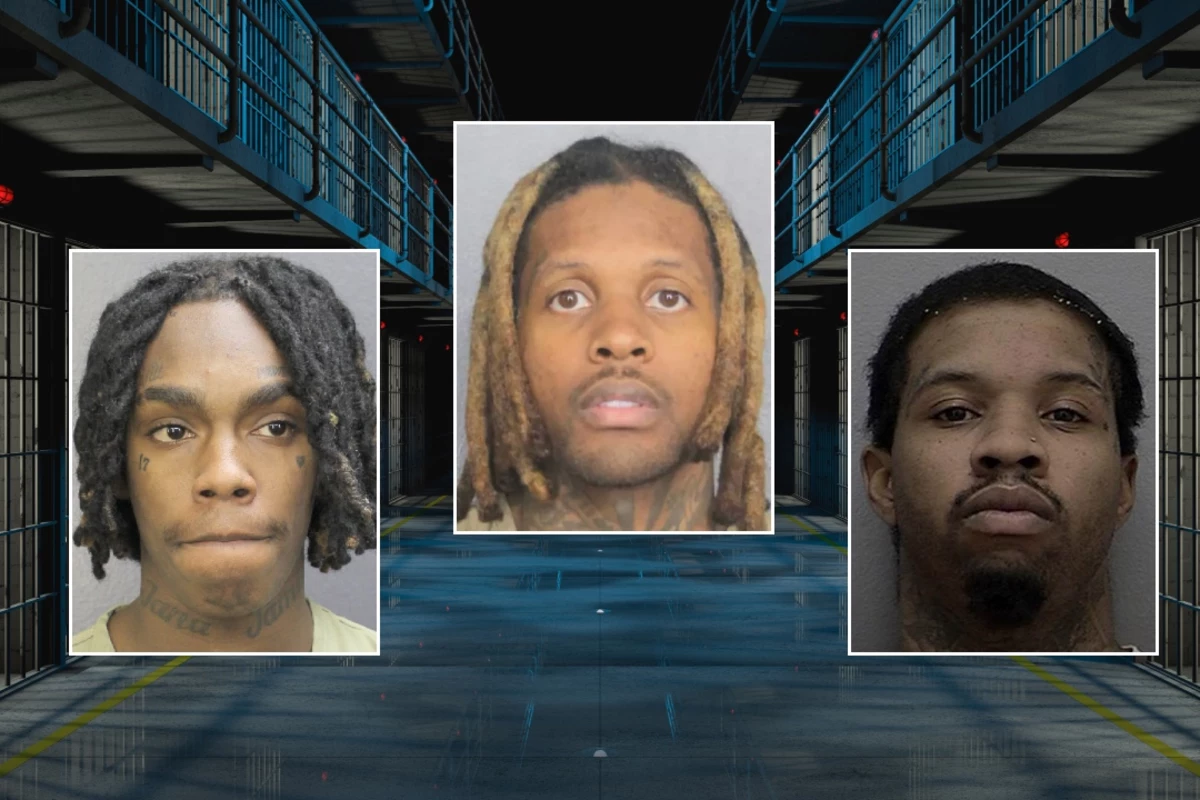
When the Image Becomes a Sentence
Rappers have long used prison references as part of their storytelling:
– Bars about catching cases
– Lines about beating charges
– Tales of bouncing back from jail time
But for some artists, those bars turned from metaphor to prophecy.
The same lifestyle that gave them credibility—guns, gangs, drugs, scams—eventually put them in front of judges and juries.
The list of “15 most famous rappers in prison” isn’t just a random group of artists.
It reflects patterns:
– Young artists who blew up fast and never escaped the streets they rapped about
– Older rappers who couldn’t leave behind the habits that once fed their reputations
– Stars who thought their fame put them above the law
Their stories are more than headlines; they’re warnings.
Street Cred vs. Real Consequences
In rap culture, “street cred” has real currency.
Being perceived as authentic—really from the hood, really familiar with crime, really tied to gangs—can boost an artist’s popularity.
But the justice system doesn’t care about streams or followers.
Many of the rappers currently locked up:
– Were already on the radar of law enforcement before they became famous
– Continued associating with people and activities that made them easy targets
– Documented their lifestyles on social media, in lyrics, and in music videos
What wins respect on the internet can be used as evidence in the courtroom.
And once a rapper is in custody, there’s no beat, no video, and no PR team that can rewrite the charges.
Different Charges, Same Outcome
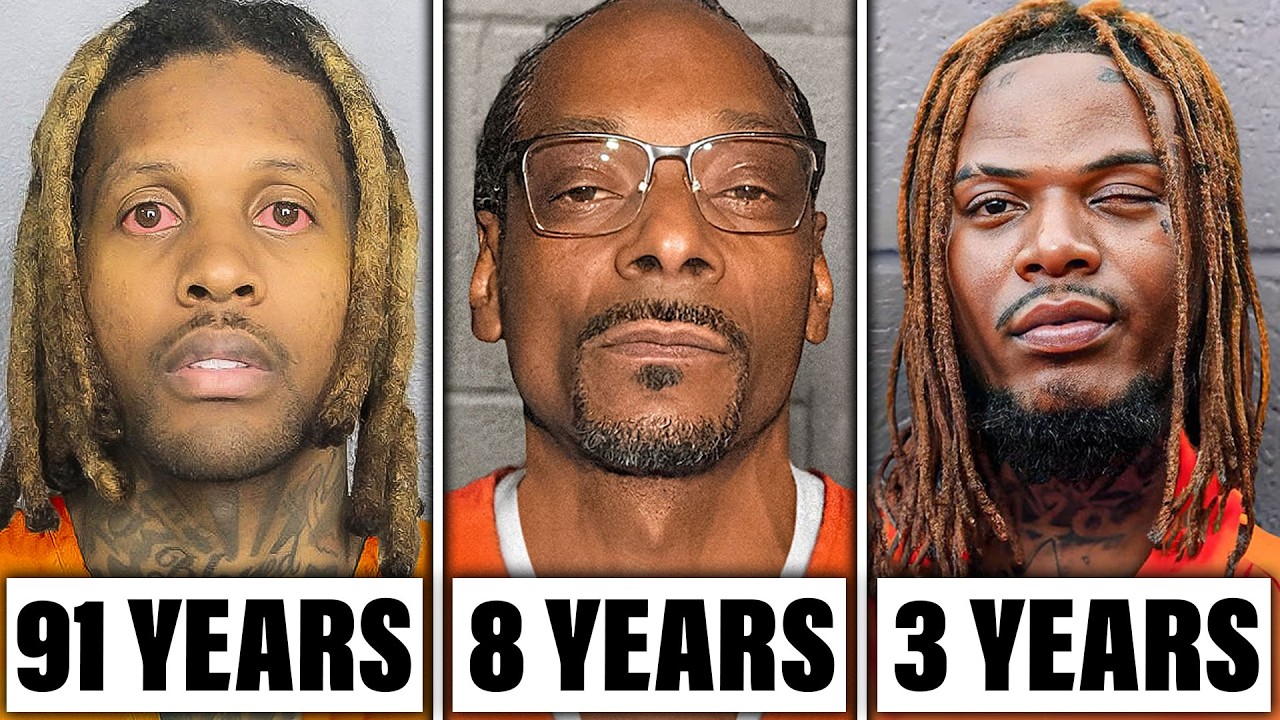
Though every rapper’s story is different, the charges they face usually fall into a few categories:
### 1. Weapons and Violence
Some artists have been arrested for:
– Illegal possession of firearms
– Shootings and attempted murders
– Assaults, often tied to gang or crew conflicts
In trap and drill scenes especially, beefs that start online or in lyrics can spill into real‑world violence, leaving bodies, cases, and careers destroyed.
### 2. Drugs and Trafficking
Others are serving time over accusations related to:
– Possession with intent to distribute
– Large‑scale trafficking operations
– Conspiracy cases where lyrics and associations are used to build a narrative
Ironically, many of these rappers could earn far more legally through music shows, brand deals, and streaming—but the pull of the old hustle remains strong.
### 3. Fraud and Scams
As the game has evolved, some rappers have been caught up in:
– Credit card fraud
– Unemployment scams
– PPP loan schemes
– Identity theft
These charges highlight a different side of “getting money by any means”—one that might seem less violent but still carries serious prison time.
Music from a Cell: Careers Put on Pause
Being locked up doesn’t always stop the music.
Some rappers:
– Record verses over jail phone calls
– Release previously recorded albums while incarcerated
– Use their legal battles to fuel their myth and maintain a fan base
For certain artists, controversy has even boosted their streams and social media engagement.
Fans:
– Debate whether the justice system is targeting them
– Share “Free [Rapper]” hashtags
– Treat their cases as part of their legend
But the reality is harsh:
– Tours are canceled
– Studio work is limited or impossible
– Collaborations fall through
– Family relationships suffer
Every year behind bars is a year taken from their prime.
The Human Cost Behind the Headlines
It’s easy to treat the phrase “15 most famous rappers in prison” like a spectacle, but behind each name are real lives:
– Children growing up with a parent on the other side of a glass window
– Mothers and fathers watching their kids become statistics
– Victims of crimes—sometimes injured, sometimes killed—whose stories don’t trend the same way as the rappers’ mugshots
Prison isn’t just about the loss of freedom for the artist.
It’s a ripple effect of hurt, loss, and instability that hits families and communities.
Fame Doesn’t Beat the System
One of the biggest myths these stories destroy is the idea that fame can protect you.
Yes, some artists have powerful lawyers and money for appeals.
But plenty of famous rappers are:
– Serving long sentences
– Denied bond
– Losing appeal after appeal
Juries don’t vote based on platinum plaques.
In certain cases, high visibility can actually make things worse, because prosecutors want to send a message and make an example.
Fans, Responsibility, and “Free My Favorite Rapper”

Whenever a rapper goes to prison, timelines fill with messages like:
– “Free him, he didn’t do nothing.”
– “They’re just trying to bring a successful Black man down.”
– “The system is targeting rappers.”
Sometimes, there’s truth in those claims.
The legal system is absolutely more aggressive and biased toward Black men and people from poor backgrounds.
Police often do target rap scenes, use lyrics as evidence, and build cases around association more than hard proof.
But there are also times when the charges reflect real harm done to real people.
Blind loyalty can become dangerous when it excuses violence, abuse, or exploitation.
As fans, the challenge is to:
– Hold space for both realities—systemic injustice and personal responsibility
– Support fair trials and humane treatment, without pretending every artist is automatically innocent
– Stop romanticizing self‑destruction as proof of authenticity
What These 15 Stories Say About Rap Culture
The fact that you can even make a list of “15 most famous rappers in prison right now” says a lot about:
– The environments many artists come from
– The pressure to perform a certain kind of toughness
– The way labels and fans reward destructive behavior until it becomes lethal
Some lessons emerging from these cases:
– **Artists need better support systems**: mentors, mental health care, and guidance on leaving the streets behind.
– **Labels should be held accountable** when they profit from chaos but offer no real protection or direction.
– **Young rappers must understand** that a “real” image isn’t worth losing decades of your life.
The Line Between Cautionary Tale and Legend
For some of these 15 rappers, prison will become part of their mythology.
If they’re released:
– They may come back stronger, more focused, and more mature.
– They might turn their stories into powerful albums and meaningful change.
For others, their current sentences might mark the end of what could have been legendary careers.
Either way, their situations are reminders:
– That talent doesn’t cancel consequences
– That you can’t outrun the life you keep choosing
– That the most powerful move in hip‑hop today might not be proving how “real” you are—but staying free, alive, and in control of your own story
In a culture that celebrates “keeping it real,” these 15 famous rappers in prison show us the brutal truth: sometimes, staying “real” in the wrong ways means you lose everything that matters.
And no number of streams, followers, or hit singles can unlock a cell door once it closes.
If you care about rap—not just the music, but the people who make it—these stories aren’t just entertainment.
They’re warnings, and they’re chances to demand something better from the industry, and from the artists we support.