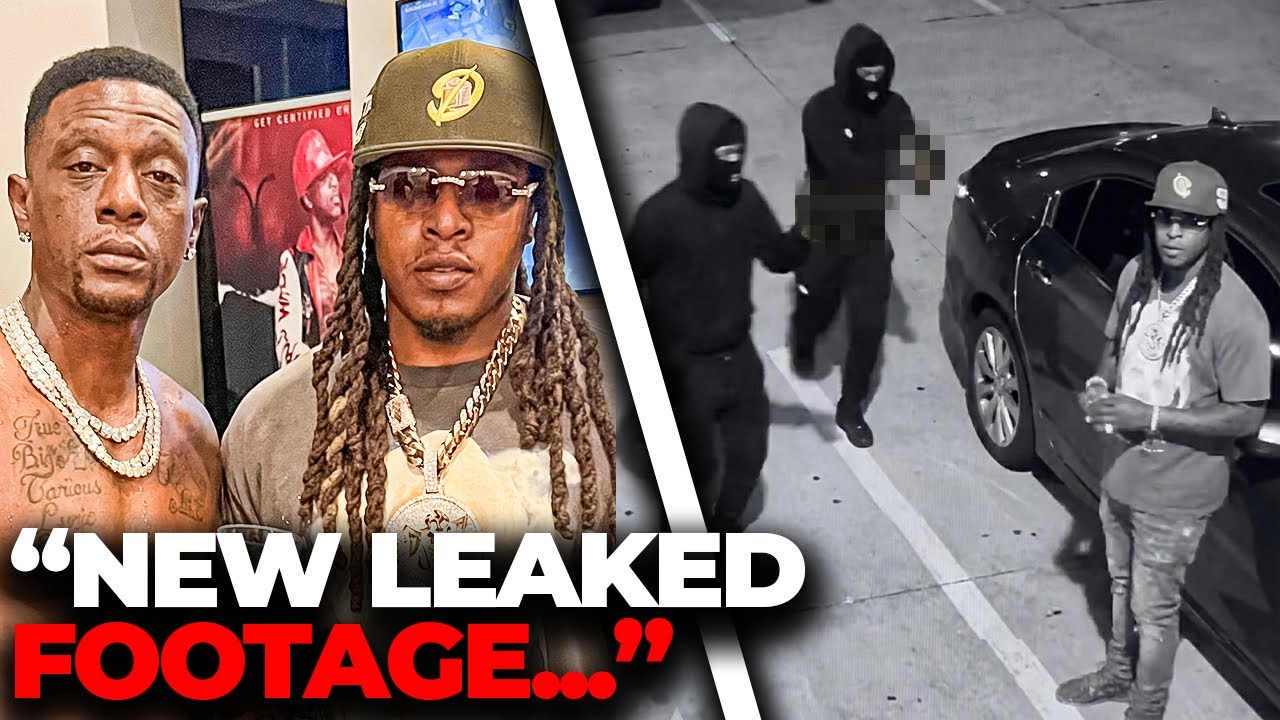
# Feds Find New Evidence Tying Boosie To Duke The Jewelers Death
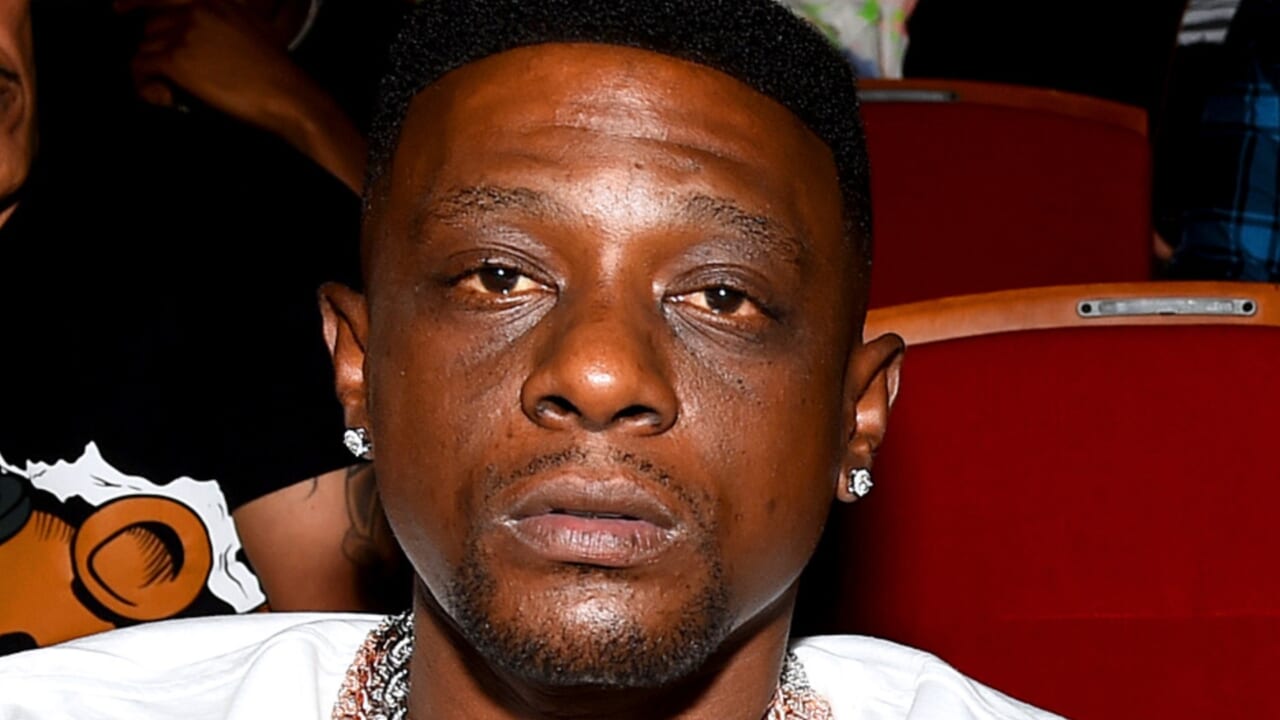
Baton Rouge rap star Boosie Badazz is back in the federal spotlight — and it’s not over music, it’s over the still-haunting death of Duke the Jeweler, the Chicago jeweler who was killed in Houston after Labor Day weekend in 2022.
New chatter swirling around the case claims investigators have uncovered additional evidence they believe strengthens the theory that Duke was lured into a bad situation and then targeted after a high-stakes night out.
To be clear: Boosie has publicly denied being involved in any wrongdoing related to Duke’s death, and no new federal charges have been announced in this moment.
But multiple sources close to the situation say the feds are still working the timeline hard, re-checking movements, communications, and what happened in the hours before Duke was killed — and that the renewed attention is making people in the orbit nervous again.
Duke, whose real name was Abdul “Duke” Rahman, wasn’t some random name in a comment section. He was a well-known jeweler with clients across the Midwest, a guy whose work traveled in celebrity circles and who built his reputation on access and trust. That’s part of what makes this case so sticky: in this world, business trips happen fast, invites feel normal, and the line between “networking” and “walking into a trap” can be dangerously thin.
Here’s the version that’s been repeated for months in streets, blogs, and barbershops — and the version federal investigators are believed to be dissecting piece by piece. The story goes that Duke traveled to Houston after being contacted about business opportunities tied to a big weekend, with the promise of celebrity visibility and potential new clients.
Instead, he allegedly ended up around a private gambling environment where the money got loud, the energy shifted, and the night stopped feeling like a flex and started feeling like a setup.
One of the most repeated claims is that Duke walked away from that game with a significant amount of cash winnings. That detail matters because if true, it gives a motive that doesn’t require any deep conspiracy talk — just human ego, greed, and the kind of “you’re not leaving with that” mindset that turns friendly into fatal in a heartbeat.
Law enforcement has never publicly confirmed the exact amount Duke may have won that night, and online numbers have varied widely, but the core rumor has stayed consistent: somebody felt like Duke left with money that wasn’t supposed to leave the room.
Boosie’s name stays attached to the story because he was in Houston for events that weekend and because he addressed Duke’s death publicly afterward, posting emotional videos and offering an explanation of what he said happened after his show. Critics have pointed to shifting details in those public explanations as suspicious, while supporters argue grief is messy, chaos is confusing, and the internet weaponizes every imperfect sentence.
The “new evidence” talk, according to people following the case closely, centers on a mix of digital breadcrumbs and practical details — the kind of things that don’t care about celebrity status. Think location data, call patterns, and who was where and when.
We have not seen these materials released publicly, and federal authorities have not laid out a fresh narrative in open court for the public to examine. But sources claim investigators are reassembling the night like a jigsaw puzzle, looking for the moments where someone stopped being a bystander and started being a participant.
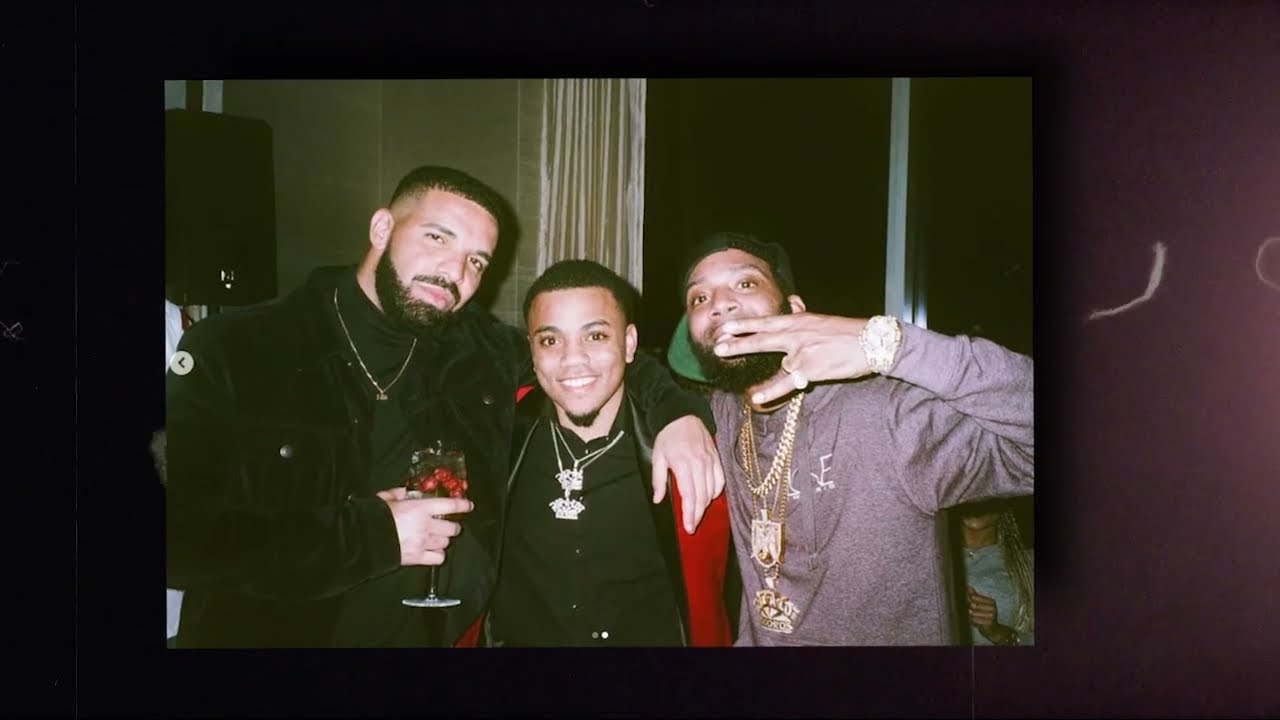
Another layer keeping the heat on is the continued online focus on J Prince Jr., whose name has been linked by rumor and commentary to multiple Houston-area incidents involving out-of-town figures, private hangs, and things going left. J Prince Jr. has faced public scrutiny before and has denied wrongdoing in separate controversies, and it’s important to separate internet narratives from what can be proven.
Still, the repeated pattern people argue they see — visitors being welcomed, money being in the air, then trouble afterward — is exactly the kind of storyline that keeps investigators looking when a case won’t die down.
And then there’s the family angle, which is where this story turns from “industry drama” into “this is getting real.” Boosie has had public friction with relatives in the past over money and loyalty, and at least one family member has hinted online that there are receipts and inside knowledge about what really happened to Duke.
When your own people start speaking in riddles and half-statements, it doesn’t automatically equal proof — but it does pour gasoline on a situation that already has the public leaning in.
The broader impact here is what’s making artists, managers, and security teams pay attention. The Duke case has become a cautionary tale about how fast “business travel” can turn into something else when jewelry, cash, and status are all in the same room. Labels can talk branding all day, but none of that matters if someone thinks you’re carrying value and decides to treat you like a walking prize.
Right now, the case remains a pressure cooker: heavy public suspicion, loud online theories, and a federal system that tends to move quietly until it moves all at once. If the feds truly do have new evidence they believe ties Boosie more directly to the circumstances surrounding Duke’s death, the next steps won’t be taken on Instagram — they’ll be taken on paper, in court, with consequences that don’t fade after a news cycle.
For Duke’s supporters and family, the demand hasn’t changed: clarity, accountability, and justice, not another fog of rumors. For Boosie, the problem is equally clear — whether he’s innocent or implicated, this story keeps pulling him back into the frame. And in the court of public opinion, the frame is already crowded.