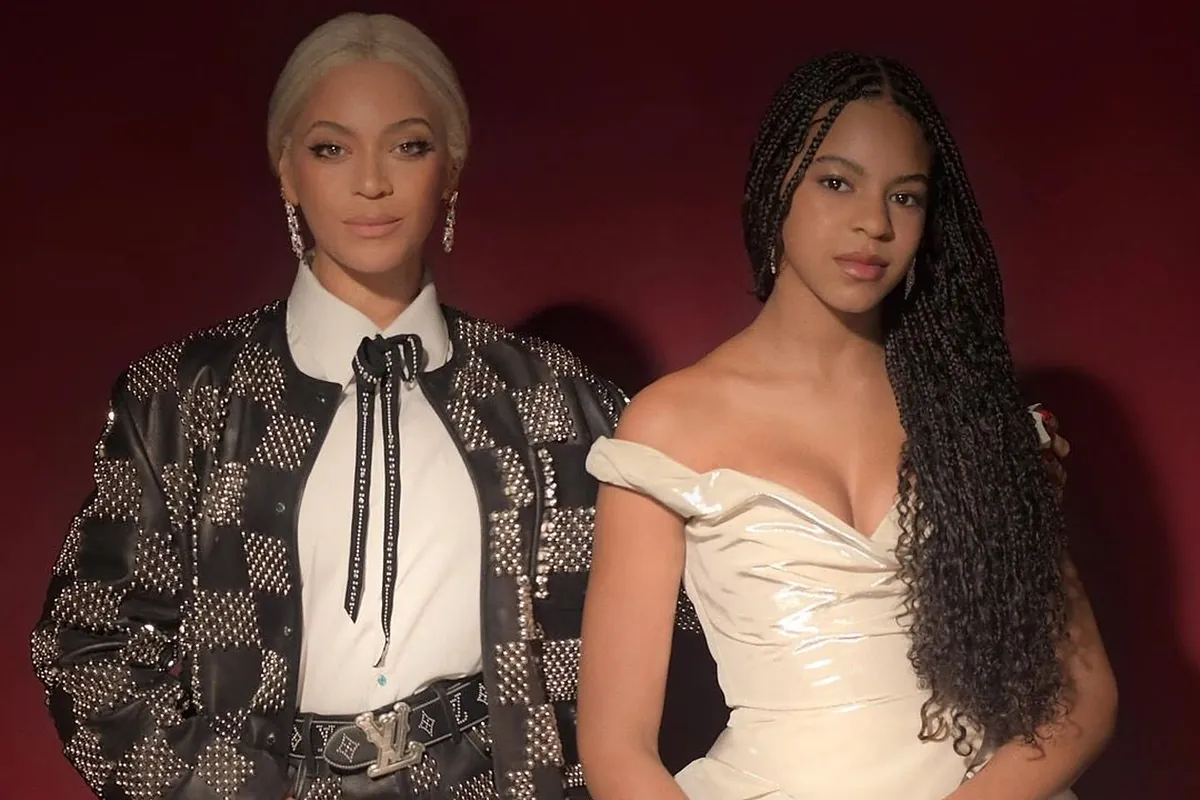
The early grind of Destiny’s Child is one of those music industry stories that hits different when you hear it straight from someone who was there. Producer Daryl Simmons, known for hits with Usher, Monica, and others, took a chance on a group of young girls from Houston back in the early ’90s when they were still called The Dolls. He signed them to his production company under Elektra, put them through rehearsals with tutors on hand for school, and believed in their potential from day one. He filmed everything—rehearsals, moments of growth—because something told him this was special.
Simmons organized a big showcase, pouring money into stage setup, lighting, and outfits that blended the bold, colorful ’90s vibe with a more elegant Supremes-inspired polish. Industry power players showed up: Clive Davis from Arista, Babyface, and Sean “Diddy” Combs building Bad Boy Records. But they all passed. The girls were called “too fast” and “too sexy”—words that sting even more knowing they were just kids, around 12 to 15 years old, in an era dominated by baggy TLC looks. Davis couldn’t pin down Beyoncé’s age or marketability, critiquing the songs instead. Diddy said the group wasn’t hip-hop enough, though he noted the lead singer had something intriguing and was fascinated by her name. He felt she needed more edge.
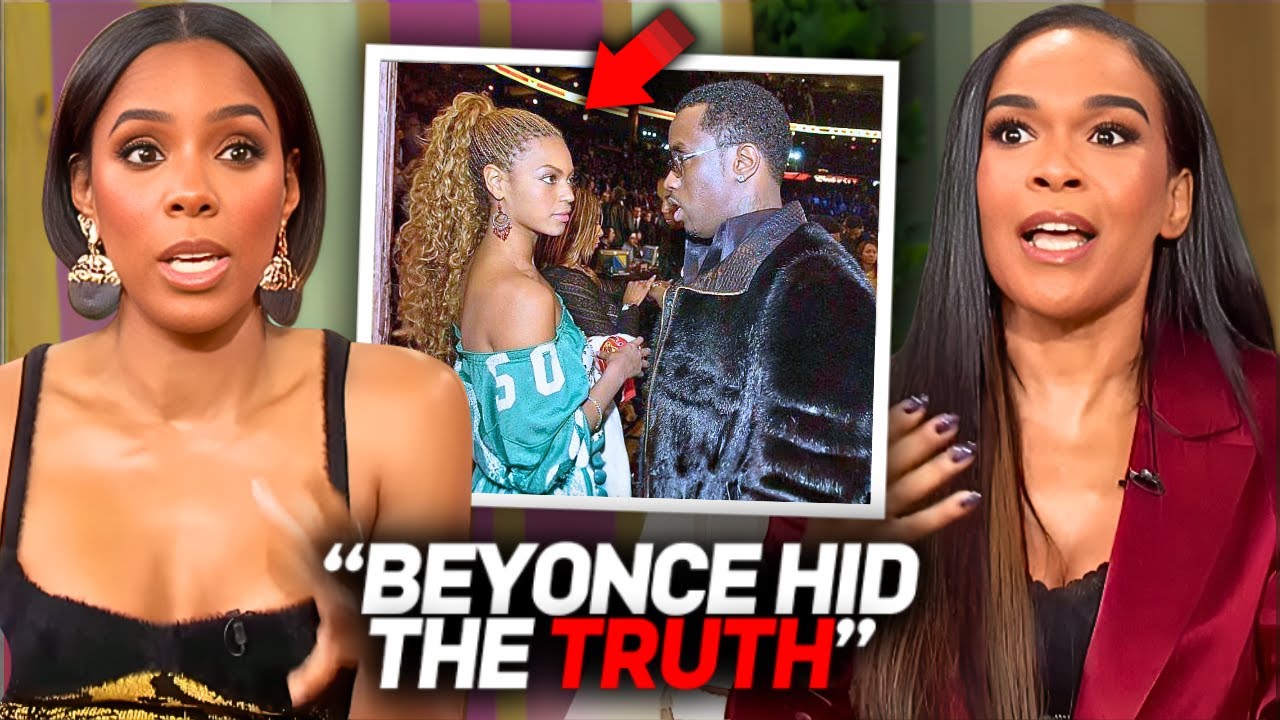
Those rejections could have crushed them, but Simmons now calls it a blessing. It kept the girls away from handlers who might not have had their best interests at heart. Tensions arose between Simmons and Matthew Knowles, Beyoncé’s father and manager, over creative direction. Simmons admitted pushing to rename the whole group “Beyoncé” to spotlight her star power, but Knowles shut it down fast—the other parents wouldn’t stand for sidelining their daughters. Egos clashed, strong personalities butted heads, but over time both men reflected on what could have been if they’d collaborated better. Simmons owned his youth and inexperience, saying he had big ideas without always the diplomacy to match.
When lineup changes hit in 1999—LaToya Luckett and LeTavia Roberson leaving—Simmons stayed quiet despite media calls. He promised Beyoncé he wouldn’t sell stories and reassured the girls they’d be okay after Elektra dropped them. That loyalty stuck. Years later, when Beyoncé lost irreplaceable early material in a fire, she reached out personally. Simmons had kept those tapes, photos, and clips safe in a box, sensing she’d want them someday. She didn’t send an assistant—she flew him to New York. They sat together reviewing the footage, her team walking in and getting emotional, some tearing up at the sight of those young girls rehearsing, laughing, and becoming the group that would dominate.
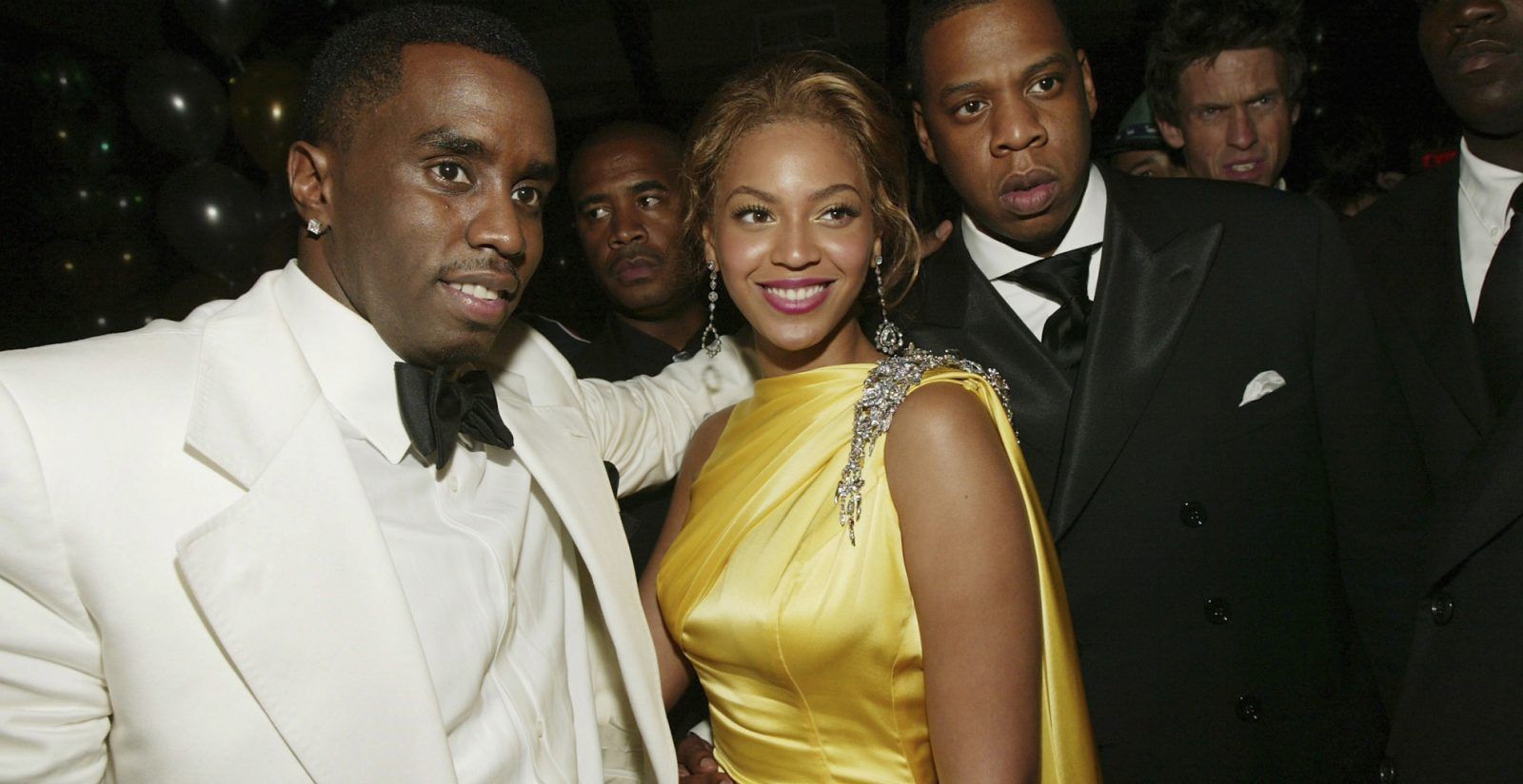
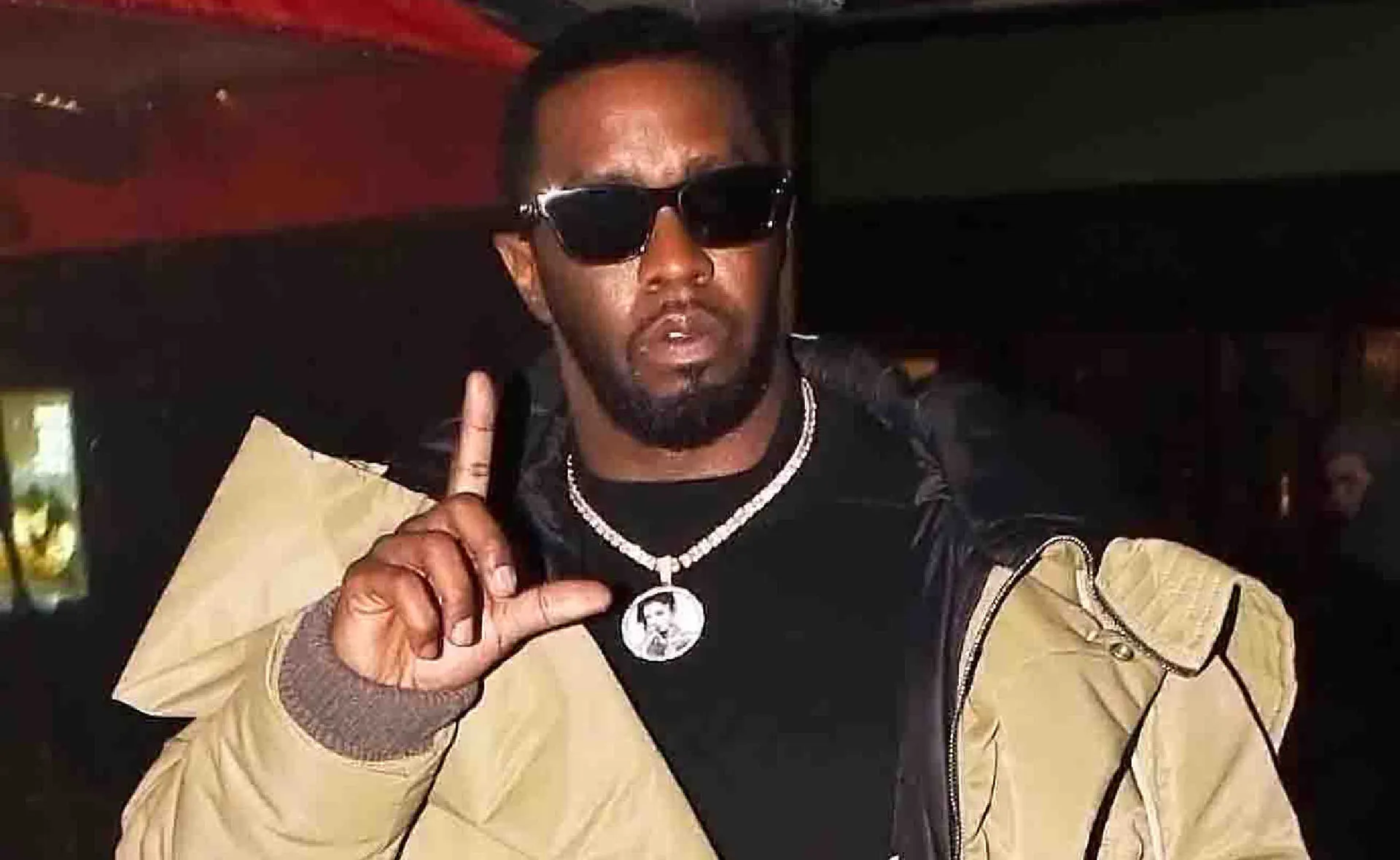
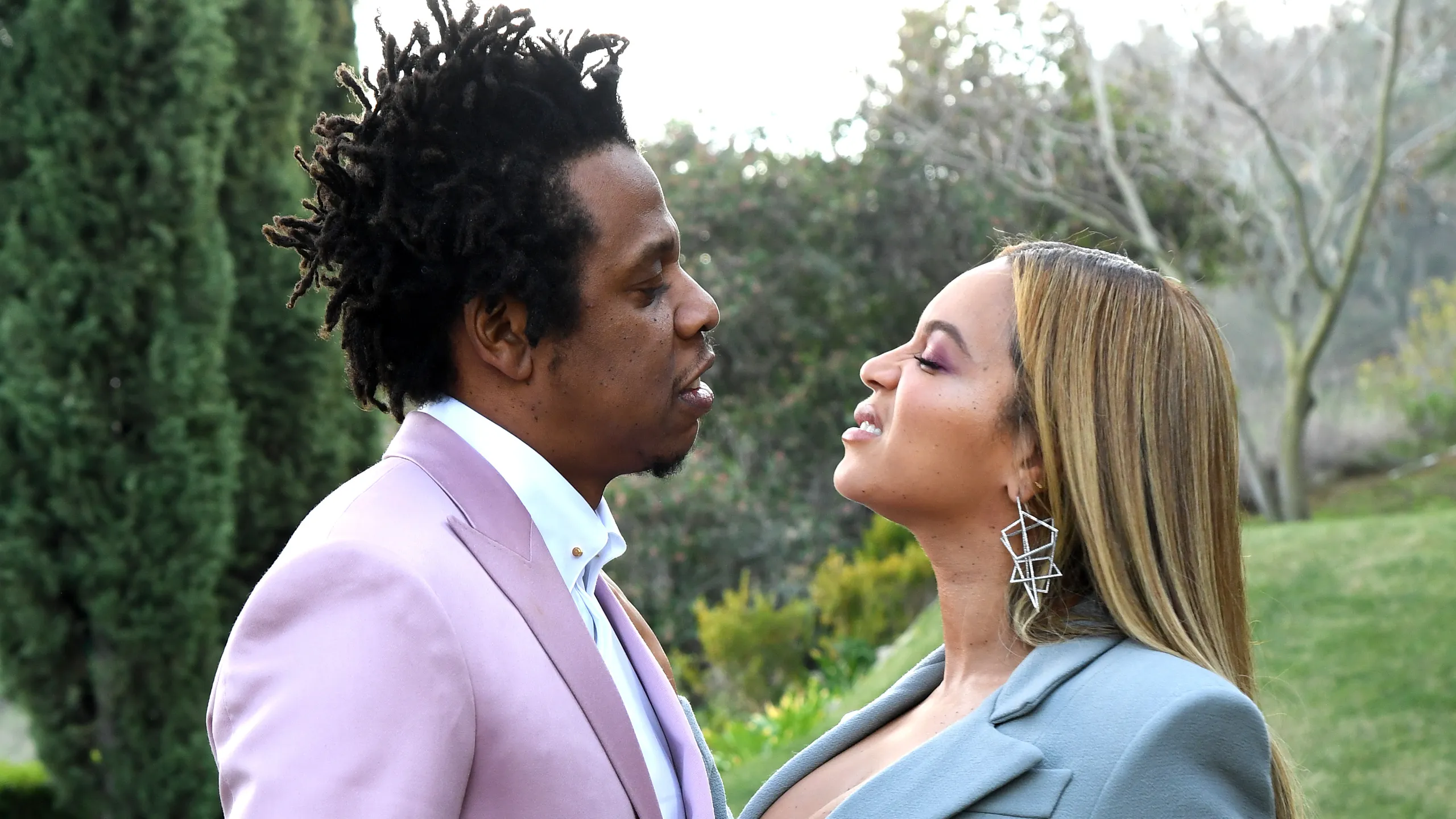
That heartfelt reconnection contrasts sharply with the swirling rumors around Diddy’s early dismissal turning into something more personal. While he publicly passed on the group, resurfaced comments show admiration for Beyoncé. In interviews, Diddy has described wanting a real, lasting partnership like the one she shares with Jay-Z, calling it the kind of enduring love he craved after his own high-profile relationships. He praised their bond, expressing envy for what they’d built together. Online speculation took that further, suggesting his fascination went deeper—that if Jay-Z hadn’t been in the picture, Diddy might have pursued her seriously. Some even claim he saw her as an ultimate “prize,” given his alleged pattern of pursuing women connected to men in his circle, building trust before making moves.
Those theories get darker with whispers of Jay-Z’s protectiveness. Stories from collaborators like Sean Paul highlight awkwardness around “Baby Boy” in 2003. Paul performed the hit with Beyoncé only a handful of times, citing management decisions and weird vibes that cut opportunities short—including a pulled MTV VMAs slot. Rumors blamed Jay-Z’s jealousy over affair gossip, though Paul clarified it stemmed from team choices, not direct interference, and Beyoncé confronted him to squash the false dating talk that hurt her. She emphasized the rumors damaged her career while he insisted nothing happened.
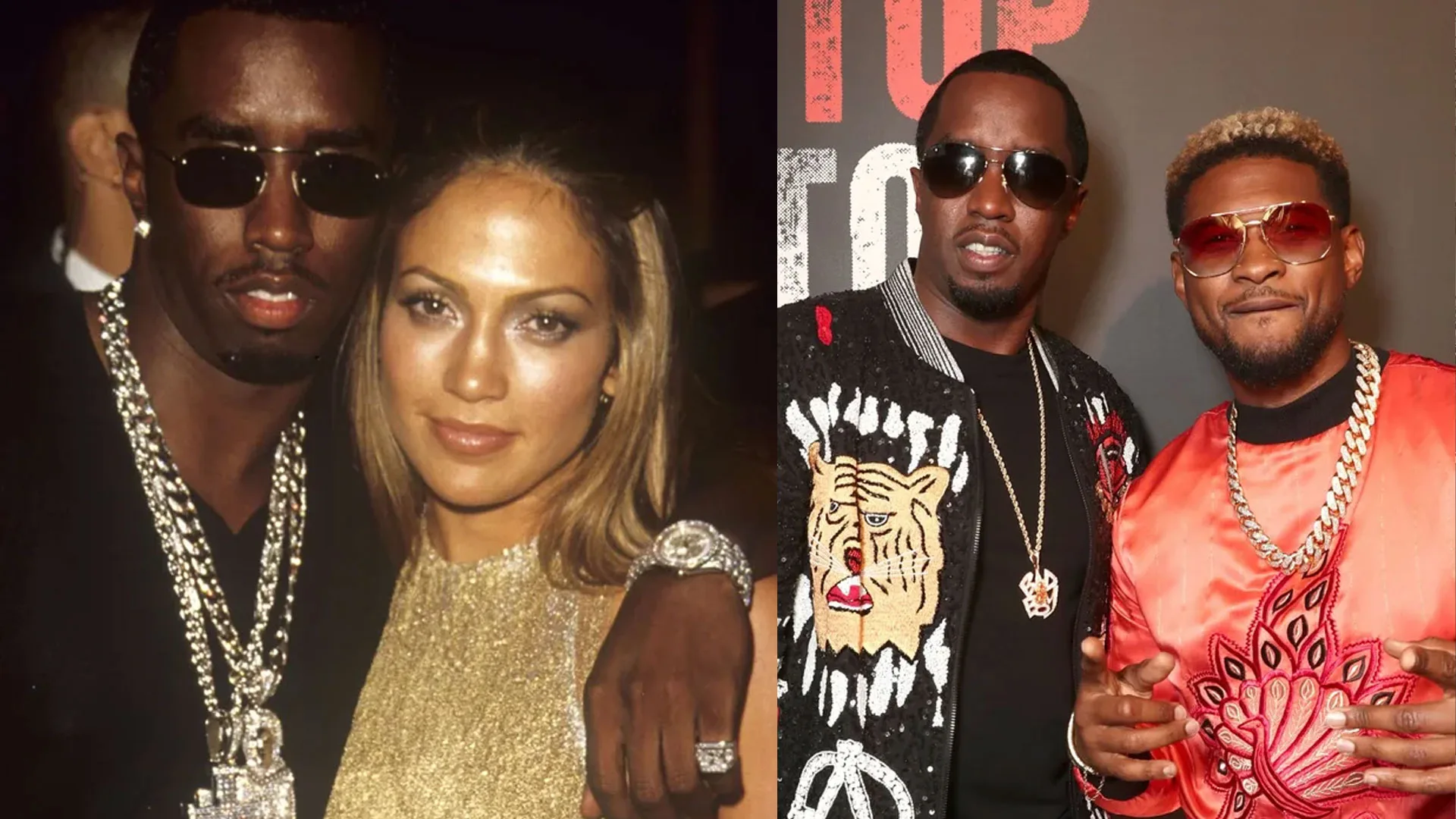
Even wilder are unproven conspiracies tying Jay-Z to Pimp C’s 2007 death. The UGK rapper was found unresponsive in a West Hollywood hotel on Jay-Z’s birthday, officially from lean overdose complications and sleep apnea. Family and friends questioned the ruling, seeking more closure. Street talk claims Pimp C had compromising footage involving Beyoncé and threatened exposure, fueling speculation of foul play. These remain baseless rumors—no evidence links anyone to wrongdoing—but they persist in online spaces, amplified by industry distrust.
What cuts through the gossip is the resilience of Destiny’s Child’s foundation. Rejections forced independence, leading to Columbia Records success and global impact. Simmons’ preserved memories remind us how gratitude endures—Beyoncé valuing those roots enough to fly someone across the country for a private revisit. In an industry rife with power dynamics, leverage, and what-ifs, this story stands out for its humanity: hard work, loyalty, and turning “no” into an empire. The early days weren’t glamorous, but they built something unbreakable.