Reality singing competitions thrive on reinvention, and American Idol has introduced an intriguing new format this season: the Ohana Round. Filmed against the lush backdrop of Hawaii, this stage of the competition reshapes how contestants move forward—giving influence not only to judges but also to fellow contestants, family members, and industry professionals.
The result? A more emotional, unpredictable, and community-driven chapter of the competition.
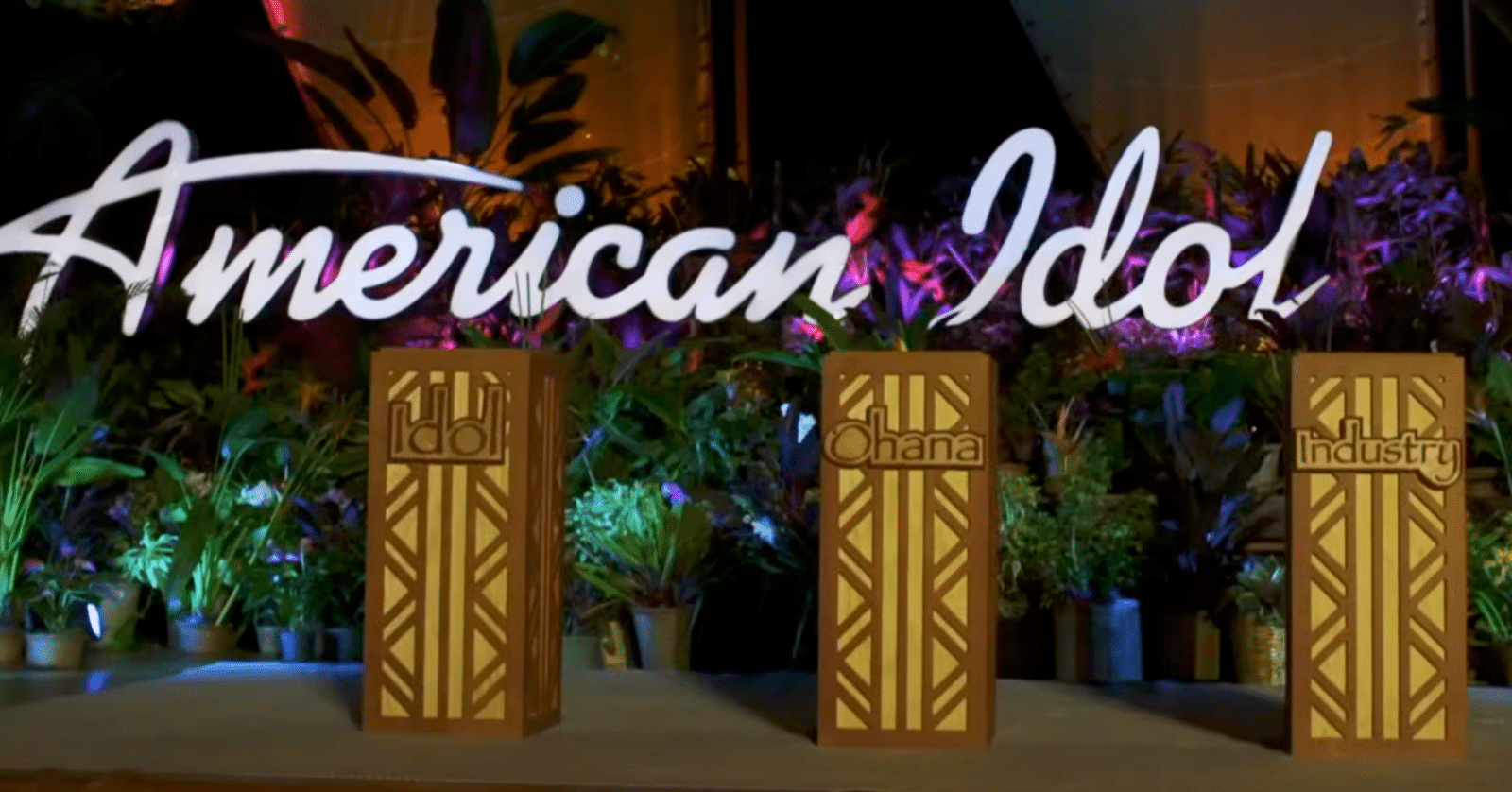
A Competition Round Inspired by the Spirit of “Ohana”
The word ohana—widely associated with Hawaiian culture—means family, but its deeper meaning extends beyond blood relatives. It implies a supportive circle where everyone looks out for each other.
That idea shaped this round of American Idol in a meaningful way. Instead of leaving the decision entirely in the hands of judges or viewers, the show divided the power among three groups:
-
Contestants themselves
-
Family members in attendance
-
Invited industry tastemakers
Each group selected a standout performer from the Top 30 to advance directly to the next stage, where America’s vote will ultimately decide their fate.
This layered voting structure changed the dynamic dramatically. Contestants weren’t just performing for judges—they were singing for their peers, loved ones, and professionals who understand the industry.
A Standout Start: Jordan McCullough Captures the Contestants’ Vote
The night began with a performance that immediately set the bar high.
Jordan McCullough stepped onstage first and delivered a soulful interpretation of Grandma’s Hands, originally recorded by Bill Withers. The performance carried a personal dedication to his family, giving the song emotional weight that resonated across the room.
His fellow contestants ultimately chose him as their pick of the night—an endorsement that often carries special meaning in competitions like this. After all, no one understands the pressure of the stage quite like the other singers standing beside you.
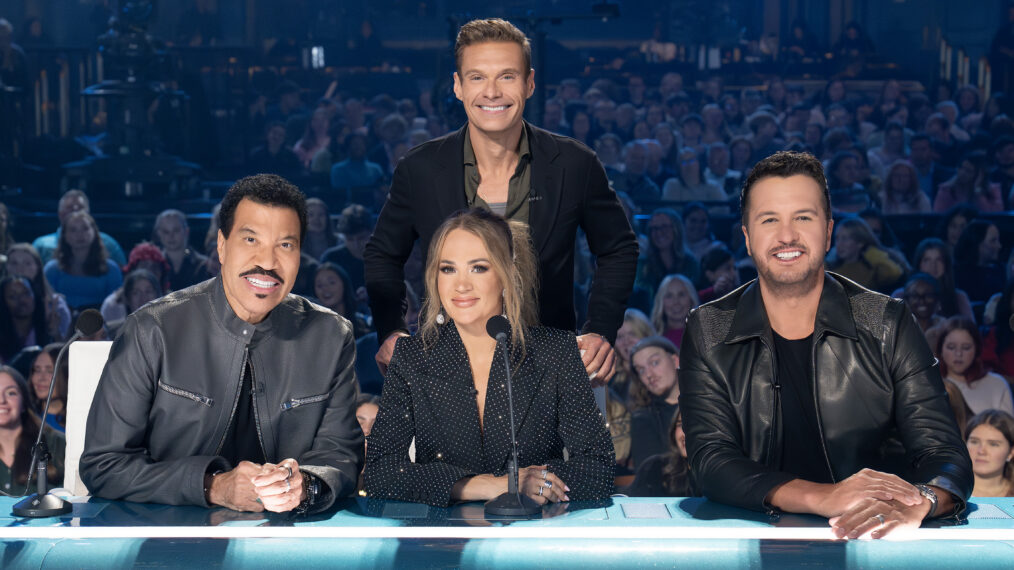
Judge Luke Bryan reacted with visible surprise, wondering aloud where such a commanding performance had come from. Carrie Underwood, who has been mentoring contestants this season, praised the performance as a powerful opening moment.
Meanwhile, Lionel Richie summed up the mood with a playful remark that felt almost gospel-inspired: the audience, he suggested, should simply say “Amen.”

Family Voices Matter: Brooks Wins the Emotional Vote
While contestants made their choice based on peer respect, the families in attendance voted based on something different—connection.
Their pick was Brooks, whose performance of Everywhere, Everything by Noah Kahan struck a deep emotional chord.
The performance highlighted a growing confidence that judges have noticed throughout the season. Carrie Underwood pointed out that Brooks seems to be stepping more fully into his artistry with each appearance.
Moments like this illustrate why the family vote exists in the Ohana Round. While judges may focus on technical ability or market potential, family members often respond to authenticity and heart—the qualities that make audiences fall in love with performers.
Industry Experts Make Their Choice
The final decision came from a panel of industry insiders invited to offer a professional perspective.
Among the tastemakers were vocal coach Cheryl Porter, journalist Shirley Halperin, dancer Sasha Farber, and singer-actress Loren Gray.
Their collective vote went to Kyndal Inskeep, who performed her original song Woman Of Me.
Unlike many contestants who rely on well-known covers, Inskeep chose to present her own songwriting. The track, written as a tribute to her mother, showcased both vocal ability and storytelling—two qualities that can set artists apart long after a competition ends.
Lionel Richie praised the strength of her songwriting, while Underwood highlighted her ability to communicate emotion through both lyrics and voice.
For Inskeep, the moment was deeply personal, especially with her mother present to witness the performance that honored her.
Why the Ohana Round Works
The Ohana Round does something rare for reality competitions: it widens the definition of who gets a say.
Instead of relying solely on celebrity judges or mass voting, the show temporarily hands power to three different communities:
-
Peers, who respect skill and growth
-
Family, who respond to authenticity
-
Industry professionals, who evaluate career potential
That combination adds layers of perspective that make the competition feel more human—and less predictable.
It also reflects the real music industry. Success rarely comes from one audience alone; artists must connect with fans, collaborators, and professionals all at once.
What Comes Next for the Contestants
With the Ohana Round complete, the spotlight shifts back to the viewers. The singers chosen by contestants, families, and experts now move forward into the next stage where America’s votes will determine who continues the journey toward the finale.
For performers like McCullough, Brooks, and Inskeep, the challenge is clear: maintain the momentum from these breakout moments and transform early buzz into lasting audience support.
In a season already full of surprises, the Ohana Round proved one thing: sometimes the most powerful voices in a competition aren’t just the ones singing—they’re the communities standing behind them.