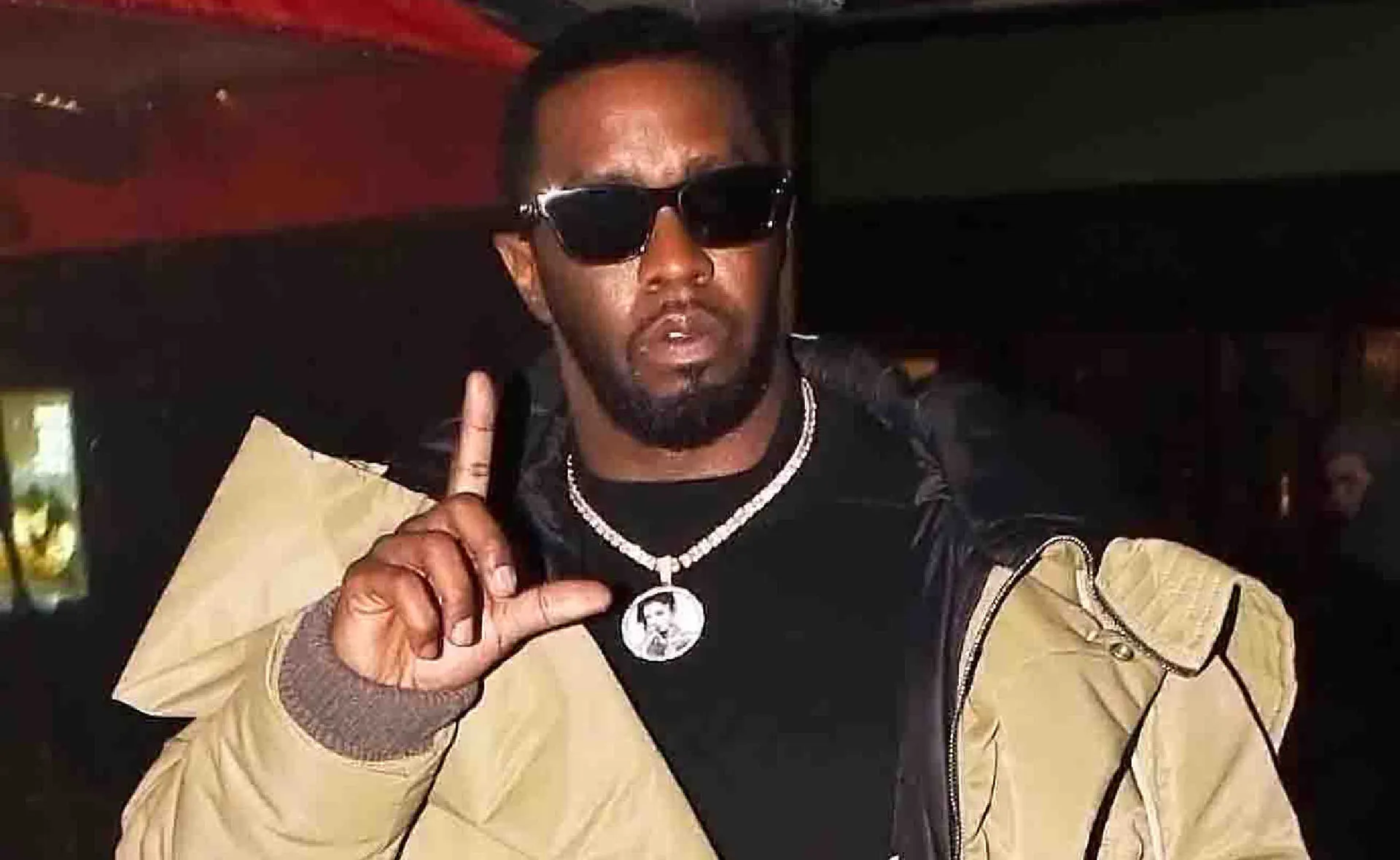
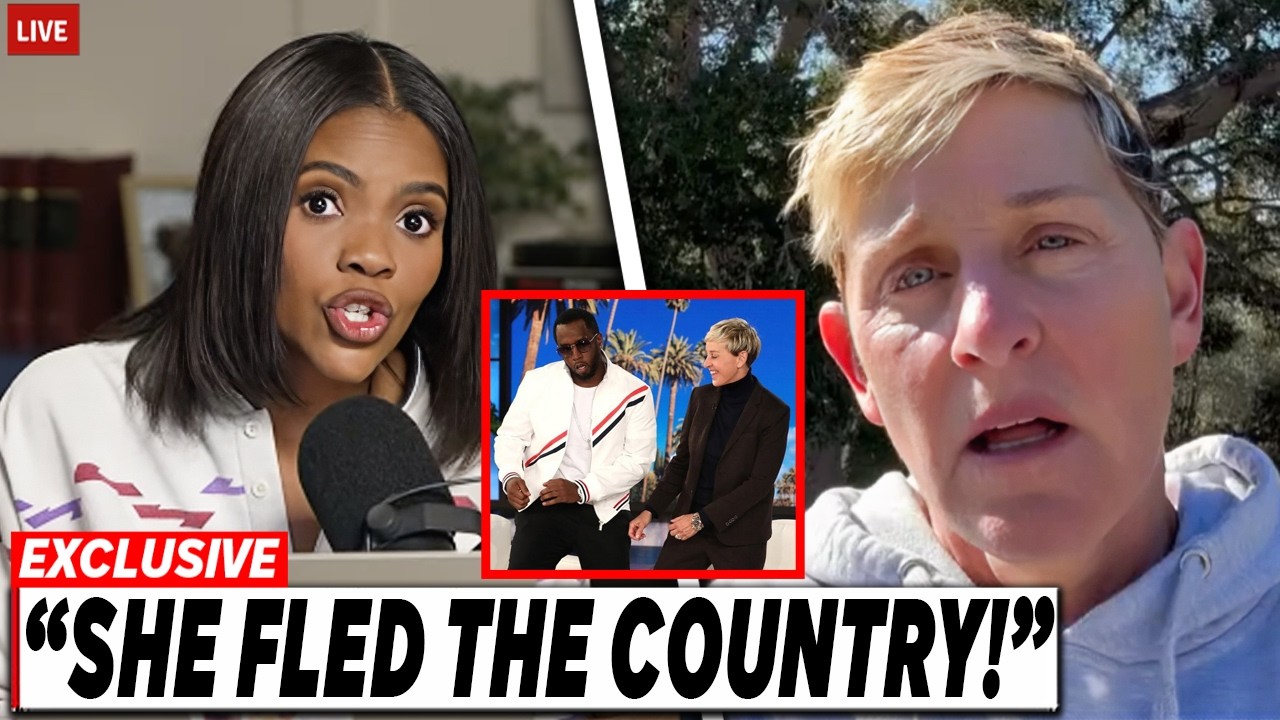
Political commentator Candace Owens has once again ignited debate online after discussing alleged power networks in Hollywood and raising questions about connections between entertainment figures and embattled music mogul Sean “Diddy” Combs.
During a recent commentary segment, Owens addressed rumors circulating across social media that link high-profile celebrities—including talk show host Ellen DeGeneres—to the ongoing controversies surrounding Diddy.
Her remarks quickly went viral, not because they presented new evidence, but because they tapped into a broader public conversation about power, celebrity culture, and accountability inside the entertainment industry.
Why Ellen DeGeneres’ Name Entered the Conversation
Owens emphasized an important distinction during her commentary: there is no verified evidence that Ellen DeGeneres committed any crime related to Diddy.
However, she argued that the public often begins examining social and professional connections whenever major allegations emerge around powerful figures.
In Hollywood, industries overlap constantly—music, television, film, fashion, and tech elites often attend the same events, fundraisers, and private gatherings. According to Owens, that tight social ecosystem naturally leads people to map connections whenever controversy erupts.
Her argument wasn’t that proximity proves wrongdoing, but rather that elite networks have historically avoided scrutiny.
The Diddy Allegations Driving the Debate
The renewed attention surrounding Diddy stems from a wave of lawsuits and accusations in recent years. Among the most widely reported was a civil lawsuit filed by singer Cassie Ventura in 2023, which accused the music executive of abuse during their relationship.
The lawsuit was settled quickly, but it opened the door to further claims and investigations that brought intense scrutiny to Diddy’s personal and professional life.
Former associates—including music producer Rodney “Lil Rod” Jones—have also filed lawsuits alleging misconduct, which Diddy’s legal team has denied.
These developments triggered widespread discussion across social media, where users began revisiting old interviews, party photos, and celebrity connections.

Conspiracy Claims and Viral Rumors
Owens’ discussion also referenced several viral theories circulating online, including claims involving secret elite groups and alleged drug use at celebrity parties.
Some of these ideas originated from past incidents, such as statements made by individuals involved in unrelated criminal cases who made unverified claims about Diddy and the entertainment industry.
For example, discussions have resurfaced around statements made by a suspect in a 2018 incident at Trump National Doral Miami who alleged bizarre connections between celebrities and secret societies. Those claims were never substantiated by investigators.
Despite the lack of proof, such statements often resurface online during moments of heightened controversy.
Celebrity Silence and Public Suspicion
One of Owens’ central points was that silence from celebrities often fuels speculation.
When major allegations emerge, many public figures choose not to comment—either because they have no direct involvement or because legal advisors recommend avoiding public statements.
However, in the social media era, that silence can sometimes be interpreted by audiences as suspicious.
Owens pointed to examples of celebrities who have been criticized for speaking out on social issues while remaining quiet during scandals involving colleagues.
Ellen DeGeneres and Past Workplace Controversies
The conversation also revived memories of previous criticism directed at Ellen DeGeneres.
In 2020, allegations surfaced about toxic workplace culture behind the scenes of The Ellen DeGeneres Show. Internal investigations eventually led to changes within the production staff and public apologies from DeGeneres.
While those issues were unrelated to Diddy or criminal activity, they contributed to a shift in how audiences view celebrity personas. The once-dominant “be kind” brand associated with Ellen was suddenly under scrutiny.
Owens suggested that moments like this illustrate how public image and private reality can sometimes diverge.
The Bigger Question: How Power Works in Hollywood
Beyond any specific celebrity, Owens framed the issue as a broader cultural question about influence in the entertainment industry.
Hollywood’s most powerful figures often operate within overlapping circles that include:
-
award shows and industry galas
-
private parties and networking events
-
media partnerships and business ventures
These environments create relationships that outsiders rarely see.
When one person in that ecosystem faces serious allegations, the public often starts asking how wide the network extends.
The Role of Social Media in Changing Celebrity Culture
Owens also noted how the digital era has transformed celebrity accountability.
A decade ago, stories about elite gatherings or celebrity connections might fade quickly. Today, online communities can instantly resurface:
-
old interviews
-
archived social media posts
-
photographs from events years earlier
This permanent digital record makes it much harder for powerful figures to control narratives.
Why Evidence Still Matters
Despite the intense speculation online, Owens acknowledged a critical principle: proximity is not proof of wrongdoing.
Attending the same event or moving within the same industry circles does not automatically imply involvement in illegal activity.
In legal systems and responsible journalism alike, accusations require evidence—not assumptions based on social connections.
A Culture of Scrutiny That Isn’t Going Away
Whether people agree with Owens’ commentary or not, one point is difficult to dispute: public attitudes toward celebrity power have changed.
Audiences are now far more willing to question the structures that shape entertainment industries. Fame alone no longer shields public figures from scrutiny.
For Hollywood, that shift means greater transparency may become essential for maintaining trust with the public.
The Bottom Line
Candace Owens’ remarks about Ellen DeGeneres and Diddy have stirred intense discussion, but the key takeaway remains clear:
-
There is no verified evidence linking Ellen DeGeneres to criminal activity involving Diddy.
-
The conversation largely reflects public curiosity about powerful celebrity networks, not confirmed wrongdoing.
As investigations and lawsuits involving Diddy continue to unfold, speculation about who knew whom—and when—will likely persist.
But ultimately, the truth of any serious allegation will depend on evidence presented in courts, not viral debates online.