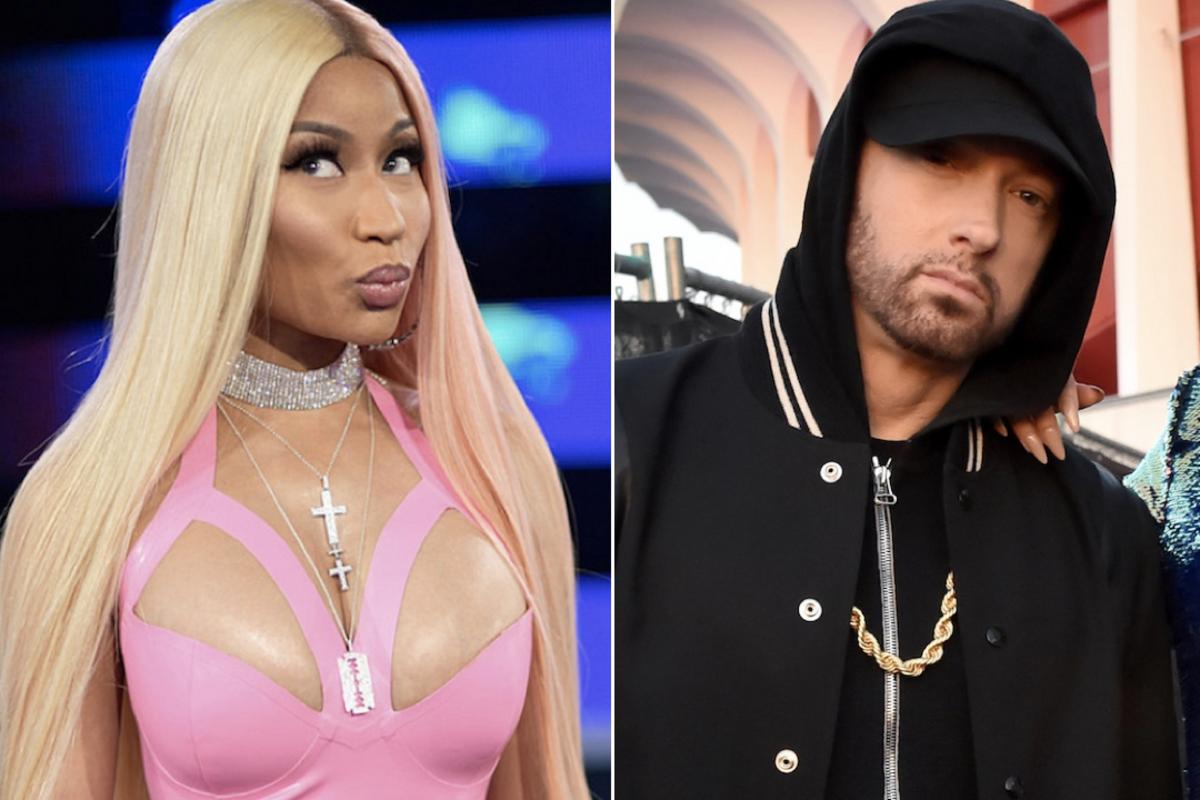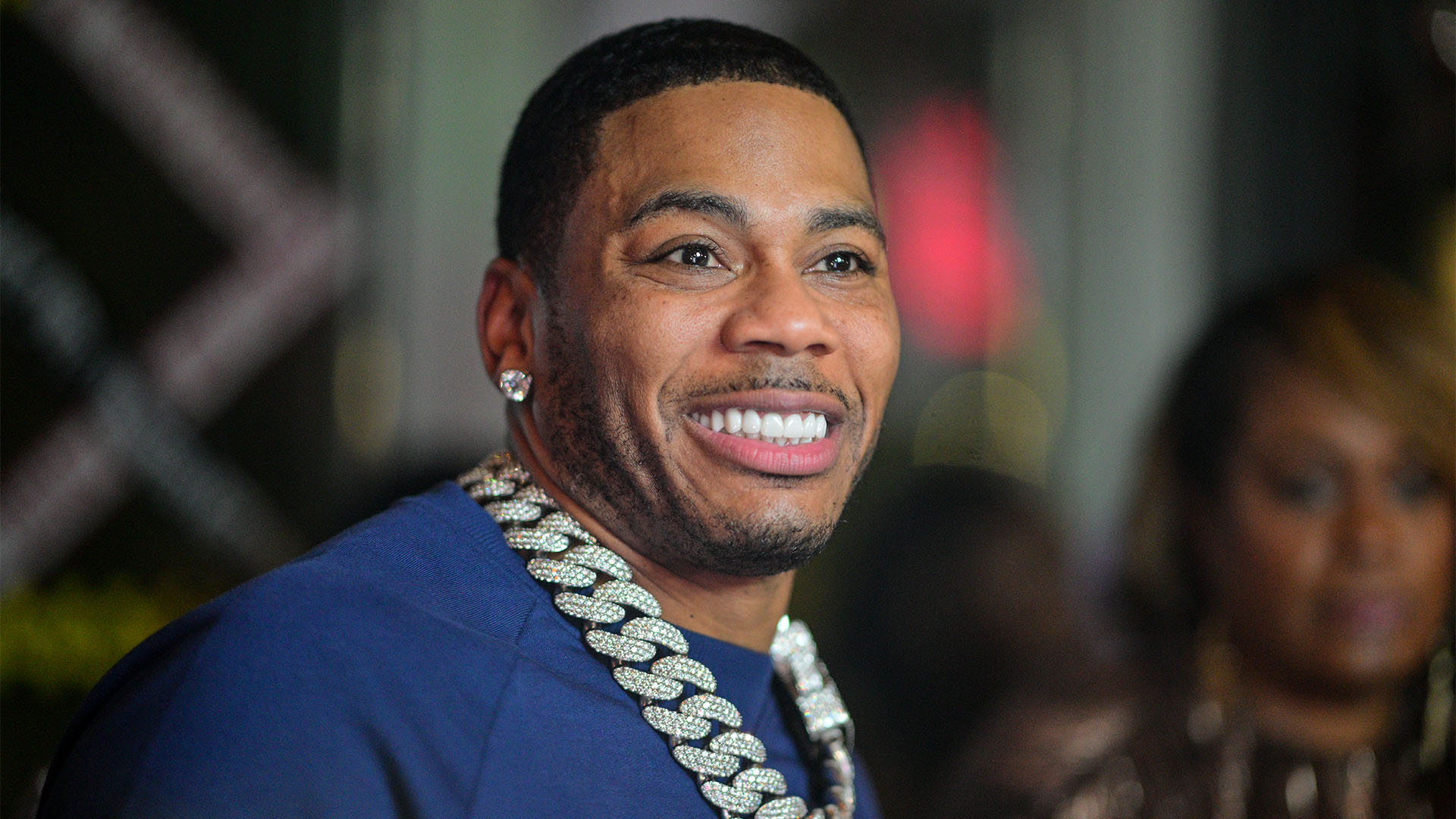
For many fans, it seemed like Ashanti vanished after dominating early-2000s R&B. One moment her voice filled the radio, and the next the spotlight had shifted elsewhere.
But the narrative that she simply “disappeared” doesn’t reflect what actually happened.
Ashanti’s career is a revealing case study of how the music industry works: how artists rise quickly, how external forces can derail momentum, and how some performers rebuild their careers on their own terms long after the charts move on.

When Ashanti Was Everywhere
In the early 2000s, Ashanti wasn’t just successful—she was unavoidable.
Her debut album Ashanti arrived in 2002 and quickly became one of the biggest R&B launches of its time. The record sold hundreds of thousands of copies in its first week and produced the massive hit Foolish.
At the same time, she appeared on two other chart-topping collaborations:
-
Always on Time with Ja Rule
-
What’s Luv? with Fat Joe
For a brief moment in 2002, Ashanti occupied multiple top positions on the Billboard Hot 100 simultaneously—an extraordinary milestone for a new artist.
Her voice became a defining element of the era’s hip-hop and R&B crossover sound.

The Engine Behind Murder Inc.’s Sound
Ashanti’s rise was closely tied to Murder Inc. Records, the influential label run by Irv Gotti.
At the time, Murder Inc. was dominating radio with a formula that blended gritty rap verses with melodic R&B hooks. Ashanti’s vocals were central to that formula.
She wasn’t just a featured singer—she often wrote and arranged the emotional core of songs.
Her contributions extended beyond the label as well. Industry insiders have long noted that she recorded reference vocals and songwriting demos for major artists, including work connected to Jennifer Lopez during the early 2000s.
That versatility made her one of the most in-demand voices in music.
The Federal Investigation That Changed Everything
Just as Ashanti’s career was reaching its peak, her label faced a crisis.
In 2003, federal authorities began investigating Murder Inc. Records over alleged money-laundering ties connected to organized crime figures. While executives ultimately avoided major convictions, the investigation created enormous damage to the label’s reputation.
For artists signed to the label, the impact was immediate.
Radio programmers became cautious. Corporate partnerships evaporated. Distribution relationships weakened.
Ashanti suddenly found herself attached to a brand the industry was reluctant to support.
The shift wasn’t about her talent—it was about the environment surrounding the label.
A Changing Industry Landscape
At the same time, the broader music industry was undergoing major changes.
By the late 2000s, pop radio was moving toward electronic dance music and high-energy pop production. Artists like Rihanna, Beyoncé, and Ciara represented a new era of polished global pop-R&B.
Meanwhile, the softer, emotional storytelling style that defined early-2000s R&B received less promotion from major labels.
This shift didn’t mean the genre disappeared—it meant label marketing budgets moved elsewhere.
Artists whose styles didn’t align with the new direction often saw reduced radio support, even if their fan bases remained loyal.

Choosing Independence Instead of Reinvention
Many artists respond to industry changes by radically altering their sound to follow trends.
Ashanti chose a different path.
Rather than pivoting toward EDM or mainstream pop formulas, she focused on maintaining creative control. She eventually launched her own imprint and pursued projects outside the traditional label structure.
That decision came with trade-offs.
Without a major label’s promotional machine, it became harder to dominate radio or streaming algorithms. But independence allowed her to keep ownership and make decisions based on longevity rather than short-term chart performance.
Life Beyond the Chart Race
While mainstream media coverage slowed, Ashanti’s career didn’t stop.
She expanded into acting, appearing in films and television roles, and even stepped onto the Broadway stage. At the same time, she continued touring internationally.
Concert audiences across the United States, Europe, and Africa showed that her music still had strong demand—even if radio stations had moved on.
For many artists, touring becomes the most stable part of a long career, allowing them to connect directly with fans without relying on industry gatekeepers.

The Power of Privacy in a Fame-Driven Era
Another reason some fans believed Ashanti had disappeared was her approach to personal life.
Unlike many modern celebrities, she rarely used relationships or controversy as publicity tools. She kept much of her private life out of the spotlight.
In an era where constant social media presence often drives relevance, that silence can easily be mistaken for inactivity.
But stepping back from constant exposure can also be a strategic decision.
Artists who reach global fame early sometimes choose periods of privacy to avoid burnout and maintain personal stability.
The Streaming Era Challenge
The rise of streaming platforms also reshaped visibility in the music industry.
Algorithms often favor artists releasing frequent new material with strong label promotion. Independent performers with established catalogs can struggle to appear in algorithm-driven playlists—even when their music remains widely loved.
For artists like Ashanti, this created a paradox: their songs still resonated with fans, but younger listeners might not encounter them as often through digital discovery.
Reclaiming Ownership and Legacy
One of Ashanti’s most strategic moves came years after her early success.
Following a growing industry trend toward artist ownership, she began re-recording portions of her catalog to regain control over her masters. This approach—popularized in part by artists seeking more control over their music rights—allows performers to benefit financially from the songs that built their careers.
For someone whose early success occurred under a traditional label structure, reclaiming that ownership represents a major shift in power.
A Career Defined by Survival, Not Disappearance
Today, Ashanti’s career looks different from the explosive chart dominance of the early 2000s.
But that doesn’t mean the story ended.
She continues to tour, release music selectively, and appear in film and television. More importantly, she does so without the intense pressure that once defined her schedule.
The music industry often measures success through constant visibility. Yet longevity sometimes depends on stepping away from that cycle.
Ashanti’s journey illustrates that what appears to be fading away can actually be something else entirely: an artist choosing control, sustainability, and peace over relentless exposure.
And in an industry famous for burning through talent quickly, that may be one of the most impressive achievements of all.