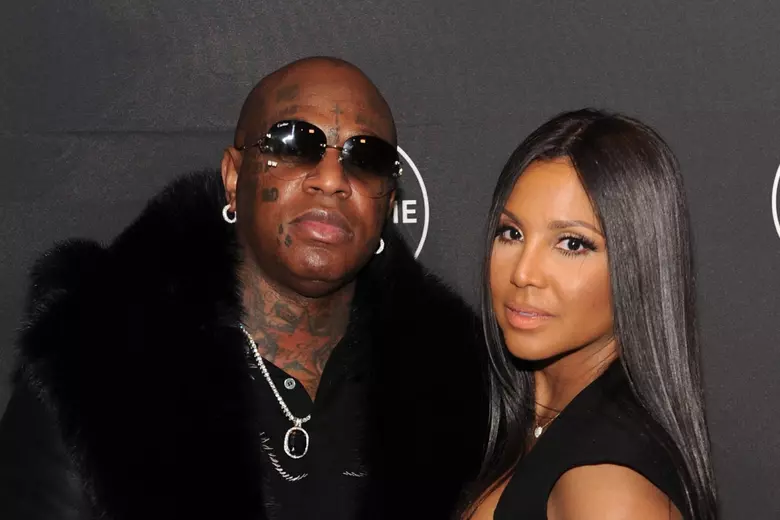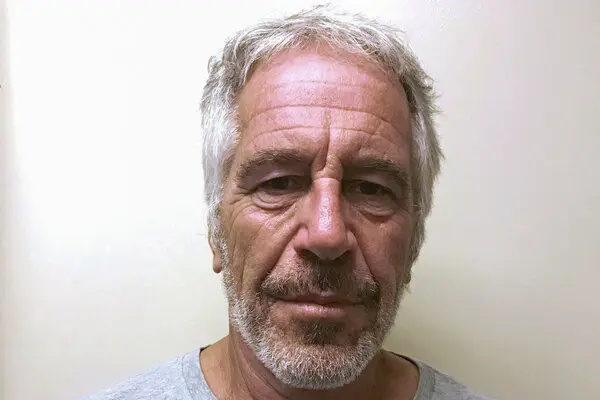
When comedian Katt Williams recently made headlines for suggesting that Jeffrey Epstein was “cloned” as part of a larger elite cover-up, the internet responded exactly as expected: with fascination, confusion, and rapid amplification.
But beneath the shock value of the claim lies a more important conversation—one that has less to do with cloning and more to do with how modern conspiracy theories evolve, spread, and gain traction in a post-trust era.

The Epstein Case: Why It Still Fuels Suspicion
To understand why even the most extreme claims gain attention, you have to start with the facts that made the Epstein case so unusual.
Epstein, a wealthy financier with deep connections to powerful figures, died in a New York jail in 2019 while awaiting trial on federal charges. His death was officially ruled a suicide—but the circumstances raised serious concerns:
-
Documented lapses in jail supervision
-
Guards failing to follow standard monitoring procedures
-
Malfunctioning or incomplete surveillance coverage
These failures created a vacuum of trust. And when trust disappears, speculation fills the space.
From Questions to Conspiracies
There’s a critical distinction between legitimate skepticism and unfounded narratives.
Reasonable questions include:
-
Why were standard jail protocols not followed?
-
How did multiple system failures occur simultaneously?
-
Could negligence—or something more—have played a role?
However, claims like cloning move far beyond evidence-based inquiry into the realm of science fiction.
There is no credible scientific or investigative proof supporting the idea that Epstein—or any human—has been cloned in the way described online.

Why “Cloning” Narratives Catch Fire
So why do claims like this spread so quickly?
Because they tap into three powerful dynamics:
1. Distrust of Institutions
Public confidence in governments, law enforcement, and elite networks has eroded. When official explanations feel incomplete, people become more open to alternative theories.
2. The Influence of Cultural Voices
Figures like Katt Williams are known for blending humor with social critique. When they speak on serious topics, audiences sometimes interpret commentary as insider knowledge.
3. The Algorithm Effect
Social media platforms reward content that provokes strong reactions. A claim about cloning is far more likely to go viral than a nuanced discussion about prison oversight failures.
The Celebrity Connection: Guilt by Association
As the Epstein narrative has evolved, it has increasingly pulled in high-profile names—from Oprah Winfrey to Leonardo DiCaprio and Jay-Z.
In many cases, these connections are based on:
-
Social proximity (attending the same events or circles)
-
Unverified flight logs or misinterpreted data
-
Pure speculation amplified through repetition
It’s important to separate documented associations from internet-driven assumptions. Being mentioned in the same ecosystem does not imply involvement in wrongdoing.
Real Issues vs. Distracting Theories
Ironically, extreme theories can distract from legitimate concerns.
The Epstein case raises serious, documented issues:
-
The accountability of powerful individuals
-
The protection of vulnerable victims
-
Transparency in legal investigations
When the conversation shifts to cloning or body doubles, it can dilute focus from those real, unresolved questions.
The Role of Entertainment in “Truth-Telling”
Katt Williams has built a reputation for provocative commentary about power structures, particularly in entertainment and politics. His style often blends:
-
Satire
-
Speculation
-
Social criticism
The challenge is that in today’s media environment, audiences don’t always distinguish between those layers. What begins as rhetorical exaggeration can quickly be interpreted as literal truth.
Why These Stories Persist
The Epstein case sits at the perfect intersection of:
-
Wealth and secrecy
-
Power and influence
-
Crime and unanswered questions
That combination makes it uniquely susceptible to ongoing reinterpretation. Each new claim—no matter how extreme—finds an audience already primed to question official narratives.
A Grounded Perspective
Here’s what can be said with confidence:
-
Jeffrey Epstein is officially reported to have died by suicide in 2019
-
Investigations revealed serious procedural failures in the jail system
-
No credible evidence supports claims of cloning, body doubles, or staged death scenarios
Skepticism is healthy. But skepticism without evidence can quickly turn into misinformation.
Final Thought: The Cost of Blurred Reality
The danger of claims like cloning isn’t just that they’re unlikely—it’s that they blur the line between fact and fiction in cases that genuinely deserve clarity.
As voices like Katt Williams continue to spark conversation, the responsibility shifts to the audience: to question, to verify, and to resist the pull of narratives that prioritize shock over substance.
Because in a story as serious as Epstein’s, الحقيقة matters more than virality—and the truth is rarely as cinematic as the internet wants it to be.