In today’s media environment, stories can spread at lightning speed—especially when they involve well-known names, emotional claims, and the suggestion of hidden truths inside Hollywood. The latest wave of online content surrounding Bryshere Gray, best known for his role on Empire, is a prime example of how quickly narratives can escalate.
The claims circulating—linking Gray, his mother, and figures like Will Smith, Jada Pinkett Smith, and Sean ‘Diddy’ Combs—are serious, graphic, and highly viral.
But there’s a critical issue: they are unverified and largely unsupported by credible evidence.
Let’s step back and examine what’s actually known—and why caution matters here.
What Is Confirmed About Bryshere Gray
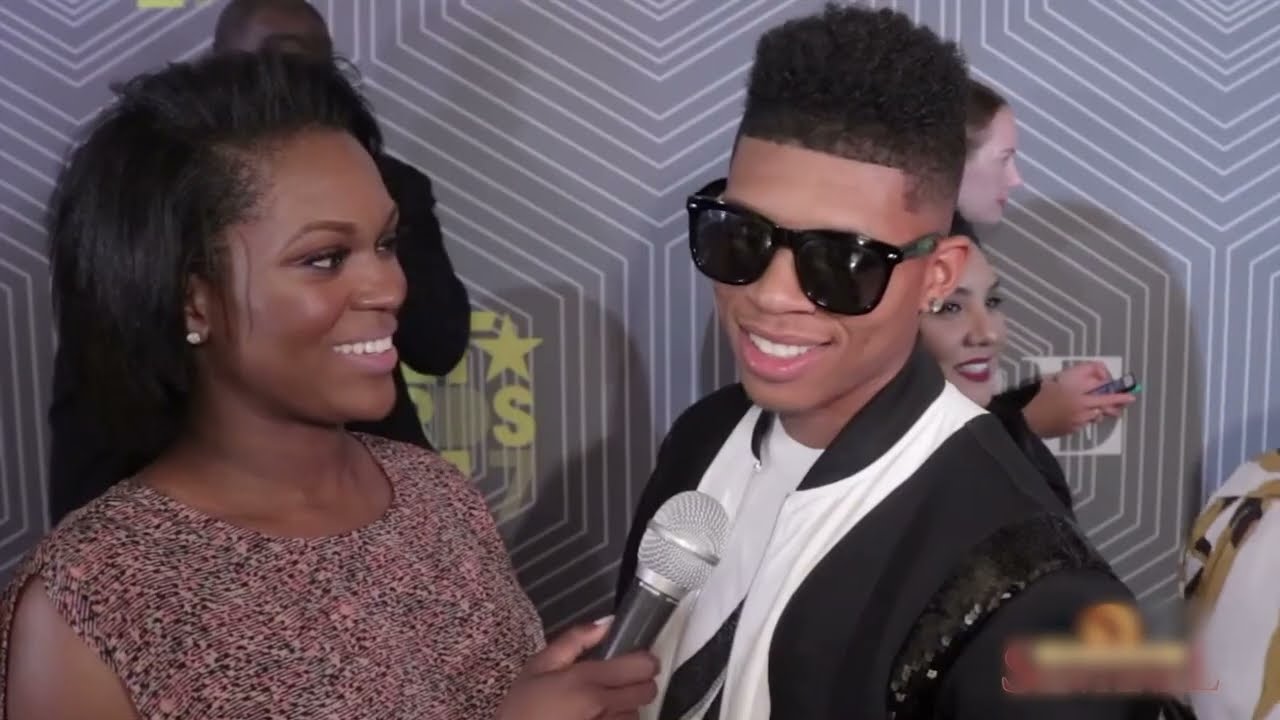
Bryshere Gray rose to fame through the hit TV show Empire, where he quickly became a standout figure.
In recent years, however, his life has taken a difficult turn:
-
Legal troubles, including arrests related to domestic violence
-
Publicly reported struggles with mental health and stability
-
A noticeable withdrawal from mainstream Hollywood opportunities
These facts are documented and widely reported.
What is not confirmed is the cause behind these challenges beyond what has been established through legal records and public statements.

The Allegations: Serious but Unverified
The viral narrative includes claims of:
-
Organized exploitation by powerful industry figures
-
Secret “mentorship” pipelines involving abuse
-
Hidden recordings and coordinated cover-ups
These accusations are primarily coming from:
-
Online commentators
-
Viral interviews and social media clips
-
Individuals without corroborated evidence in credible reporting
No major, reputable news organization has verified these claims. There are no confirmed legal cases, official investigations, or substantiated records supporting the more extreme allegations.
That distinction is crucial.
Conflicting Accounts Within the Story
Another reason for caution is the inconsistency between the people involved.
For example:
-
Gray has publicly pushed back on some claims made by his own mother
-
He has suggested she may have fabricated certain incidents
-
He has not confirmed the broader allegations when given opportunities
When key figures present conflicting narratives, it becomes even more important not to treat any single version as established fact.
The Role of Internet Amplification
Figures like Jaguar Wright and Tasha K are frequently cited in these discussions. Both are known for making bold, controversial claims about the entertainment industry.
While their content attracts attention, it often operates in a space where:
-
Verification is limited
-
Claims are speculative or anecdotal
-
Entertainment value can outweigh factual accuracy
Social media then accelerates these narratives, turning speculation into perceived “truth” through repetition.
Why These Stories Gain Traction
There’s a pattern behind why stories like this resonate:
1. Real Industry Scandals Exist
Cases involving figures like Harvey Weinstein have shown that abuse of power can and does happen.
2. Public Distrust Is High
Audiences are increasingly skeptical of powerful institutions, including Hollywood.
3. Emotional Storytelling Is Persuasive
Stories involving betrayal, family conflict, and personal downfall are inherently compelling.
4. Familiar Faces Increase Impact
When globally recognized names like Will Smith or Diddy are attached, attention multiplies instantly.
But attention is not the same as evidence.

The Real Issue: A Life in Crisis
Lost in the noise of conspiracy and speculation is a more grounded and important reality:
Bryshere Gray appears to be a person dealing with serious personal and legal challenges.
That alone deserves attention—without the need to attach unverified narratives.
Public breakdowns, legal issues, and mental health struggles are complex. They rarely have a single, hidden explanation, and they should not be reduced to viral storytelling.
The Risk of Spreading Unverified Claims
Repeating or amplifying unproven allegations can have real consequences:
-
Reputational harm to those accused without evidence
-
Distortion of real issues, including mental health and accountability
-
Distraction from verified facts that deserve focus
It can also make it harder for legitimate cases of abuse to be taken seriously, as the line between fact and fiction becomes blurred.
A More Responsible Way to Look at This
It’s possible to hold two ideas at once:
-
The entertainment industry is not perfect and has documented problems
-
Not every viral allegation is true or supported by evidence
Critical thinking requires resisting the urge to connect dramatic dots without proof.
Final Thought
The story surrounding Bryshere Gray is, at its core, a human one—not just a headline.
While the internet circulates claims involving Will Smith, Jada Pinkett Smith, and Sean ‘Diddy’ Combs, none of those allegations have been substantiated in a credible or verifiable way.
In moments like this, the most important question isn’t “What if it’s true?”
It’s: “What do we actually know—and what are we choosing to believe without evidence?”