
Before American Idol introduced Hannah Harper to a national audience, she had already been telling stories that felt deeply personal—and deeply real.
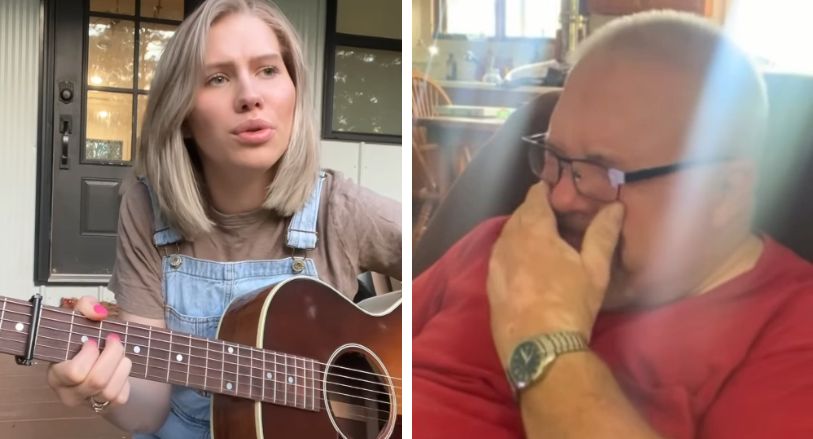
One of those moments is now resurfacing and drawing renewed attention: a simple, stripped-down performance on her front porch, where she sings an original song written for her father.
It’s not a big stage moment. There are no lights, no judges, no audience.
And that’s exactly why it matters.

A Song That Feels Like a Conversation
Titled “My Hero, A Simple Man,” the song doesn’t rely on dramatic builds or vocal showcases. Instead, it leans into something quieter—gratitude.
The lyrics paint a portrait many people recognize instantly:
A father who works hard, who doesn’t say much, but shows everything through actions. Someone steady, protective, and deeply present.
“He’s a hero but a simple man, with his calloused hands…”
There’s no attempt to elevate the story into something larger-than-life. In fact, the power of the song comes from the opposite—it keeps things grounded, specific, and honest.
It feels less like a performance.
More like a message.
The Moment That Made It Unforgettable
What truly set this apart wasn’t just the song itself.
It was the reaction.
Hannah shared a video of her father hearing the song—and it’s the kind of moment that doesn’t need explanation. His expression shifts quietly. He wipes away tears. There’s no dramatic response, no big speech.
Just emotion.
And that response reframes everything.
Because suddenly, the song isn’t just about him.
It’s for him.
Where Hannah’s Storytelling Comes From
For viewers who first discovered Hannah through American Idol, especially her emotional audition with “String Cheese,” this moment adds context.
Her songwriting isn’t accidental.
It’s rooted in her life.
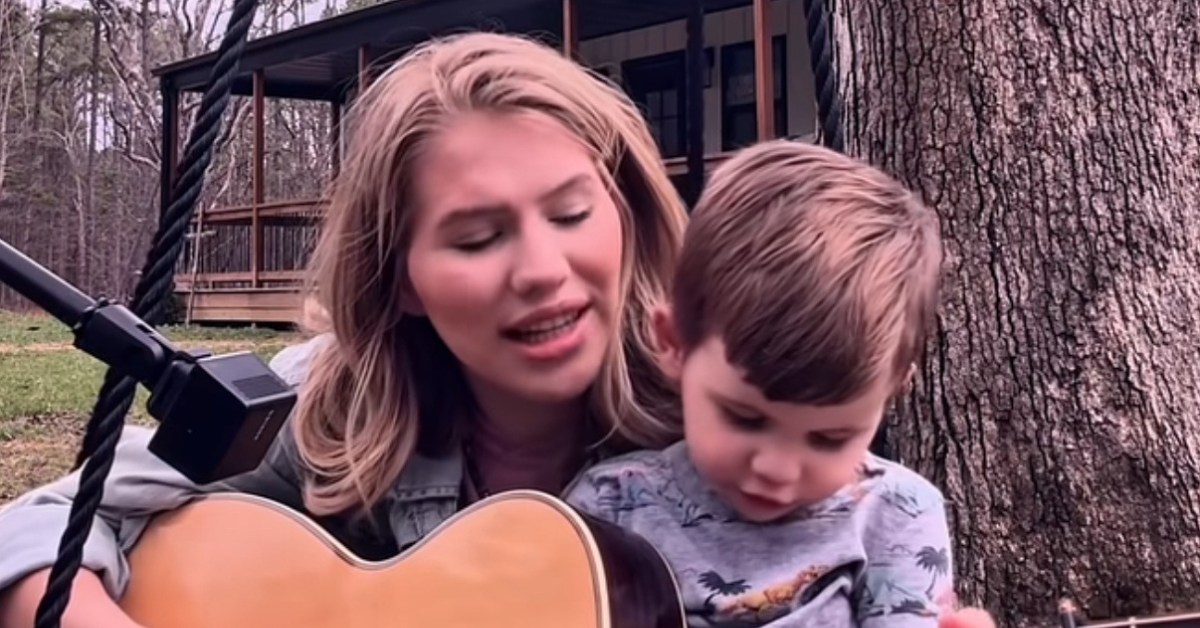
She grew up in a musical family, performing in a bluegrass band alongside her siblings. Music wasn’t something she stepped into later—it was always part of her environment, her language, her way of expressing things that might otherwise go unsaid.
That background shows up clearly in her writing style:
- Simple but vivid imagery
- Emotional clarity without overcomplication
- A focus on people, not just ideas
Why These Moments Matter in the Competition
As the competition progresses, performances like this—though not part of the televised rounds—can quietly shape how audiences see a contestant.
They build connection.
Viewers aren’t just watching a singer perform covers. They’re getting glimpses of an artist who writes, reflects, and creates from real experiences.
That distinction matters, especially in a voting-based show.
Because people don’t just vote for talent.
They vote for authenticity.
The Full-Circle Element
There’s also something deeper at play in this moment.
Hannah’s father isn’t just a subject of the song—he’s part of her musical foundation. As a banjo player in the family’s bluegrass band, he helped create the environment that made her artistry possible in the first place.
So the performance becomes something more than a tribute.
It’s a return.
A way of giving something back to the person who helped shape her path.
In a season filled with powerful stage performances and viral clips, this moment stands apart.
It’s not polished.
It’s not produced.
It’s not designed to impress.
And yet, it resonates.
Because sometimes, the most impactful performances aren’t the ones in front of millions.
They’re the ones meant for one person—and just happen to reach everyone else.

What This Says About Hannah Moving Forward
As Hannah Harper continues her American Idol journey, moments like this help define who she is beyond the competition.
Not just a vocalist.
But a storyteller.
Someone who doesn’t rely on spectacle to connect—because her strength lies in something more durable: sincerity.
And in a season where emotional connection is driving votes as much as vocal ability, that might be one of the most important qualities she brings to the stage.
In the end, her father’s reaction says more than any judge ever could.
Because when a song can move the person it was written for—that’s when you know it’s real.
And that’s something no competition can teach.