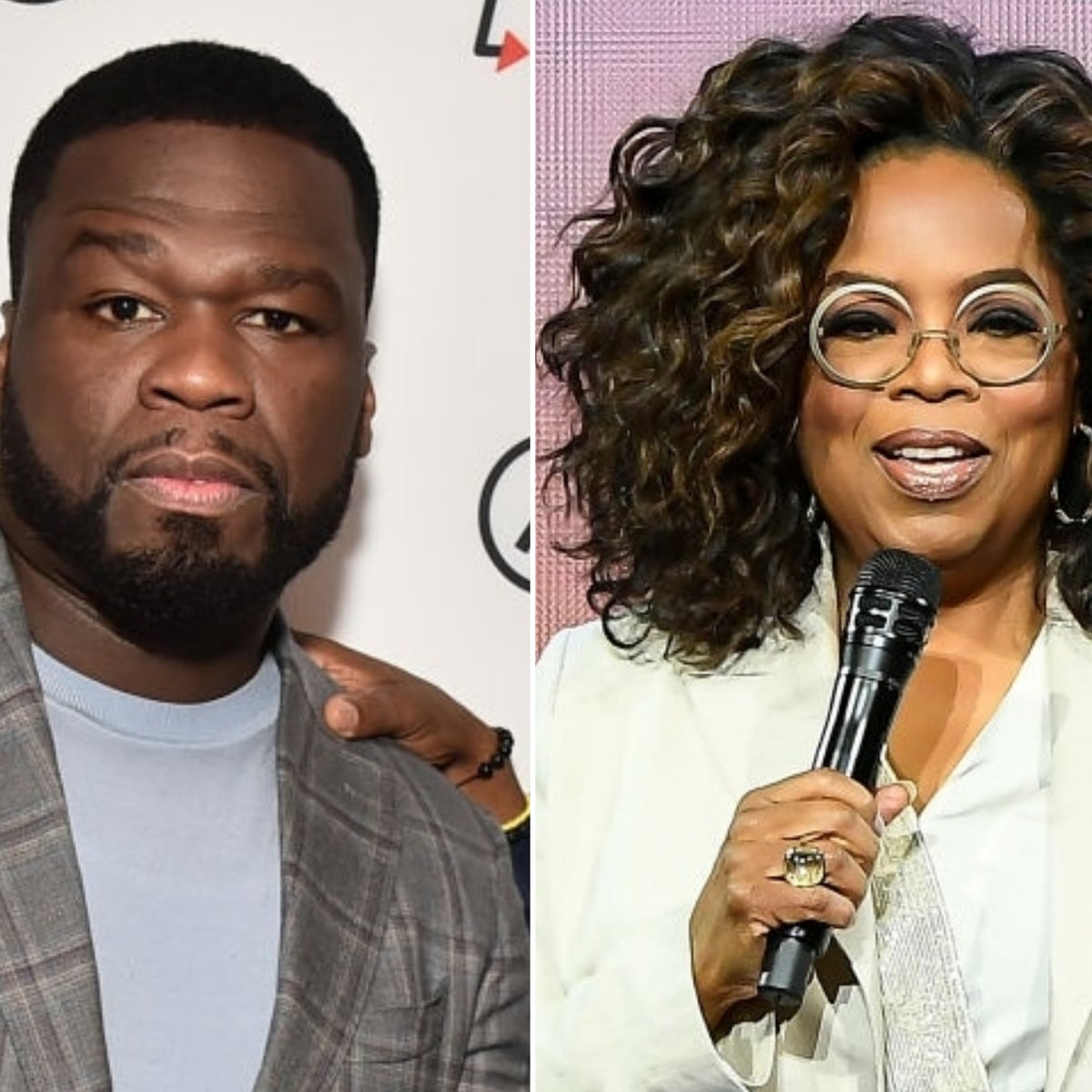
Few figures in media command as much influence as Oprah Winfrey, whose legacy spans television, philanthropy, and cultural impact. But recent remarks from 50 Cent have pulled her into a wave of controversy, sparking renewed debate about power, accountability, and the treatment of Black talent in Hollywood.

A Provocative Claim Sparks Attention
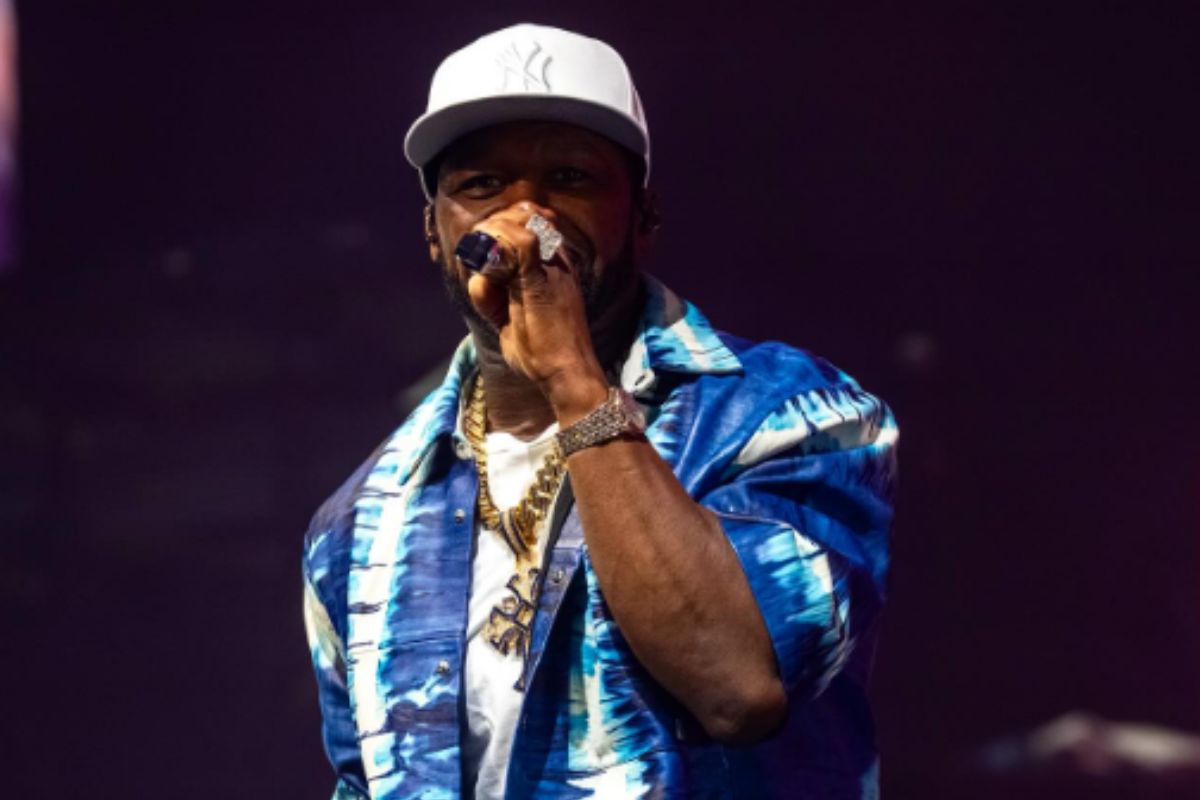
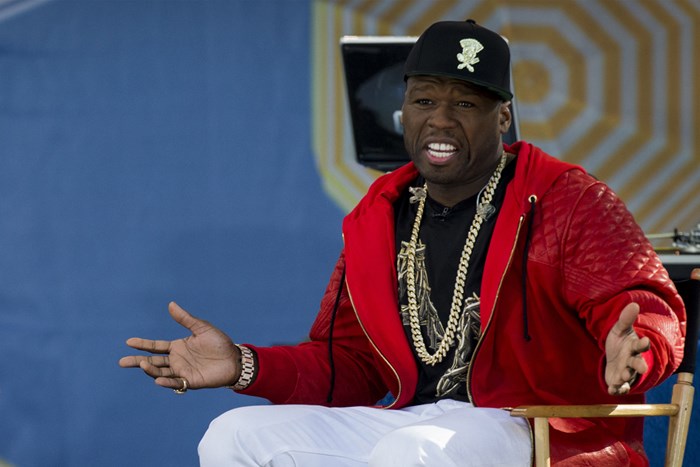
50 Cent, known for his outspoken presence on social media, recently made pointed comments about Oprah Winfrey. He suggested that she has used her influence in ways that may undermine the careers of Black actors, framing her role in the industry in a highly critical light.
His remarks quickly gained traction, drawing attention not only because of their tone, but because of the broader questions they raised about influence and control within entertainment.
Questions About Power and Representation
At the center of the discussion is a larger issue that has long been debated in Hollywood: who holds power, and how that power is used. 50 Cent’s comments suggest concern over whether influential figures may shape opportunities and narratives in ways that limit others.
These concerns connect to ongoing conversations about representation and equity in the industry. As discussions around diversity continue to evolve, his statements have added another perspective to an already complex dialogue.
Controversy Surrounding Philanthropy
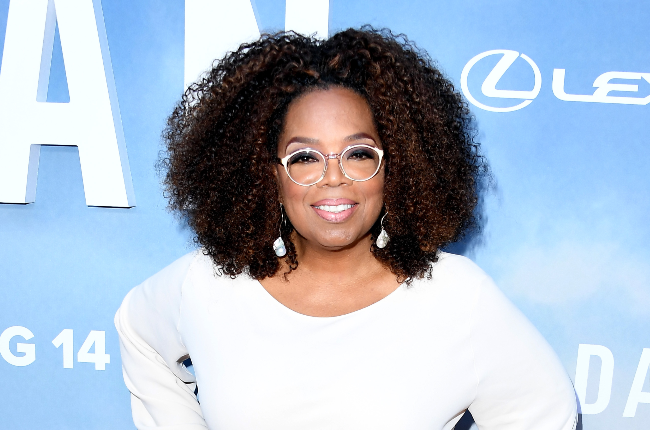
In addition to his claims about the entertainment industry, 50 Cent also referenced past controversies tied to Oprah’s all-girls school in South Africa. The academy, established to provide educational opportunities for young women, has previously faced allegations of misconduct and management concerns.
Reports of serious claims involving a staff member led to investigations and public scrutiny, raising questions about oversight and student welfare. These past incidents have resurfaced in the current conversation, adding another dimension to the criticism being discussed.
A Divided Public Response
Reactions to 50 Cent’s comments have been mixed. Some have supported his willingness to speak out, viewing his statements as a challenge to existing power structures. Others have defended Oprah, pointing to her long-standing efforts to uplift Black voices and create opportunities through her work.
The differing responses reflect the complexity of celebrity culture, where public figures are both celebrated and scrutinized, often at the same time.
A Broader Industry Conversation
Beyond the individuals involved, the situation highlights deeper questions about accountability and ethics in Hollywood. The idea that influential figures could shape careers—positively or negatively—continues to be a point of discussion as the industry confronts its past and present challenges.
It also raises difficult questions about success, competition, and the responsibilities that come with influence, particularly for those who have broken barriers and hold prominent positions.
An Ongoing Dialogue
As the conversation continues, there is no clear resolution in sight. 50 Cent’s remarks have added fuel to an already active debate, encouraging further reflection on how power operates behind the scenes.
Ultimately, the situation underscores the importance of transparency, accountability, and open dialogue. In an industry still navigating issues of representation and fairness, these discussions remain central to shaping what comes next.