It begins with a disappearance that never quite made sense.
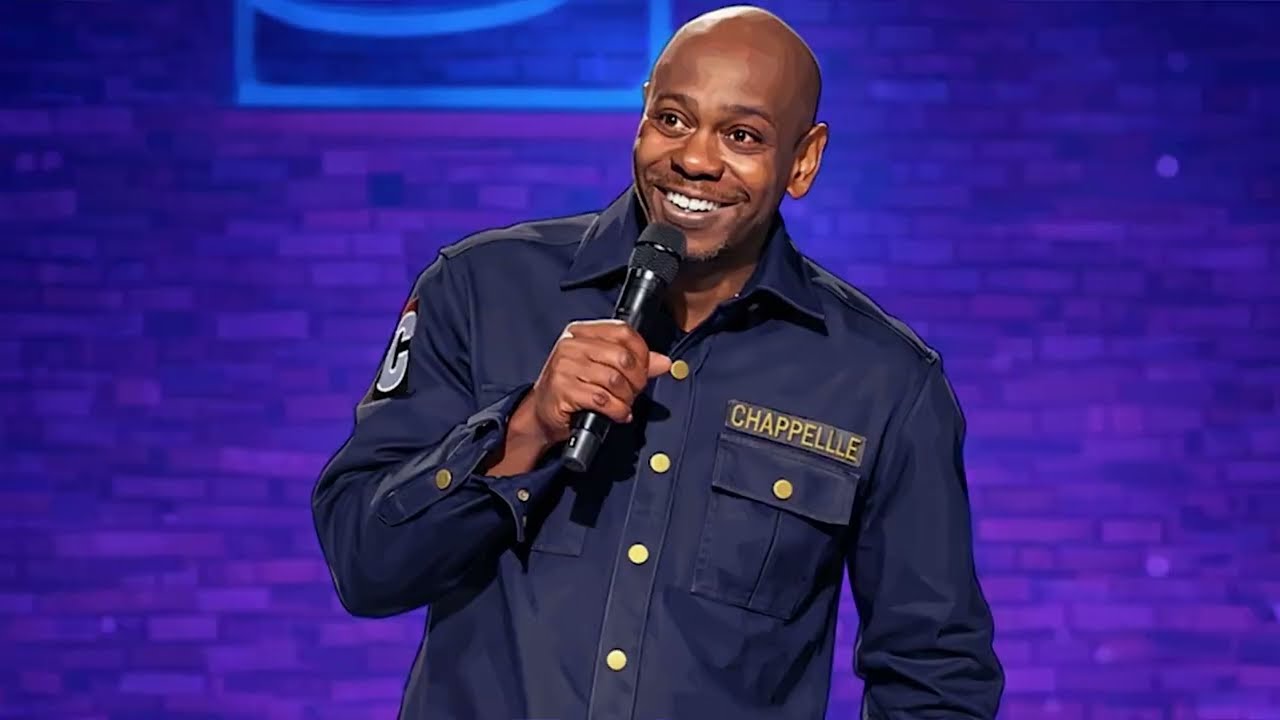
At the height of his success, Dave Chappelle walked away from a $50 million deal, left the country without warning, and vanished to South Africa. No announcement. No explanation to his team. No goodbye to the machine he had just built.
When he returned, everything felt… different.
That moment has since become the foundation of one of the internet’s most persistent and unsettling theories—a claim now amplified by someone identifying himself as Chappelle’s cousin, who insists the comedian the world sees today is not the same man who left.
According to this claim, Chappelle didn’t just walk away.
He was replaced.
The Disappearance That Started It All
In 2003, Chappelle’s Show wasn’t just popular—it was dominant. Cultural, controversial, and impossible to ignore. When Comedy Central offered him $50 million to continue, it seemed like a foregone conclusion.
But behind the scenes, Chappelle began raising concerns. He spoke about discomfort with the direction of the show, about pressure, about things that didn’t sit right. Then, in the middle of production, he left.
Not gradually. Completely.
“I got ahead of schedule and I bounced,” he later said.
When he resurfaced, he tried to explain the experience. He talked about pressure, about feeling pushed toward something he didn’t trust, about being labeled unstable when he resisted.
To some, it sounded like a man protecting his peace.
To others, it sounded like the beginning of something much darker.
The Claim That Changed the Narrative
Years later, a man claiming to be his cousin began posting videos online with a far more extreme version of events.
According to him, Chappelle was taken, killed, and replaced through what he described as “organic robotic cloning.” He claimed the current version of Chappelle doesn’t recognize family members and carries subtle physical differences.
A mustache that doesn’t look right.
A voice that feels slightly off.
A presence that, to believers, doesn’t match the original.
The claim doesn’t stop there. He alleges that Chappelle’s entire family was also replaced, ensuring no one close to him would expose what happened.
There is no evidence presented that verifies any of this.
But that hasn’t stopped the theory from spreading.
A Pattern Fans Think They See
What keeps the story alive is not just the claim—it’s the pattern people believe they recognize.
The cousin’s list extends beyond Chappelle. He names other celebrities who, according to him, were either cloned or targeted.
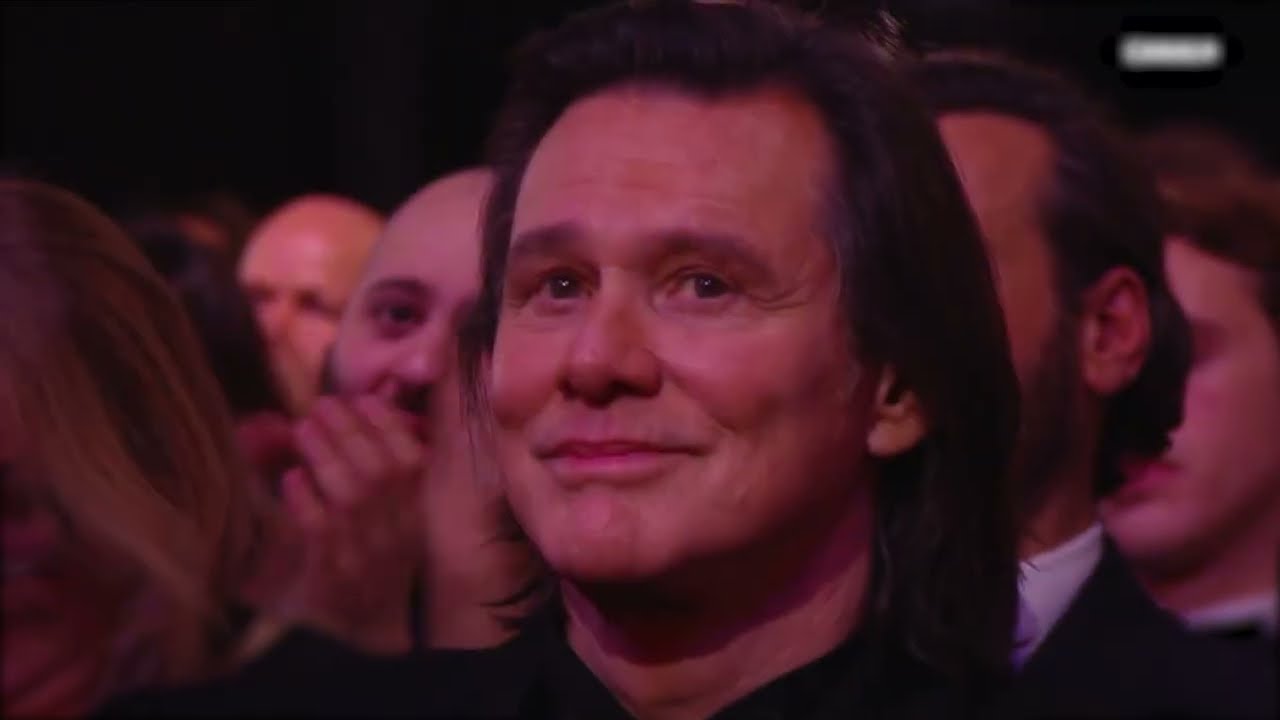
Jim Carrey.
Kanye West.
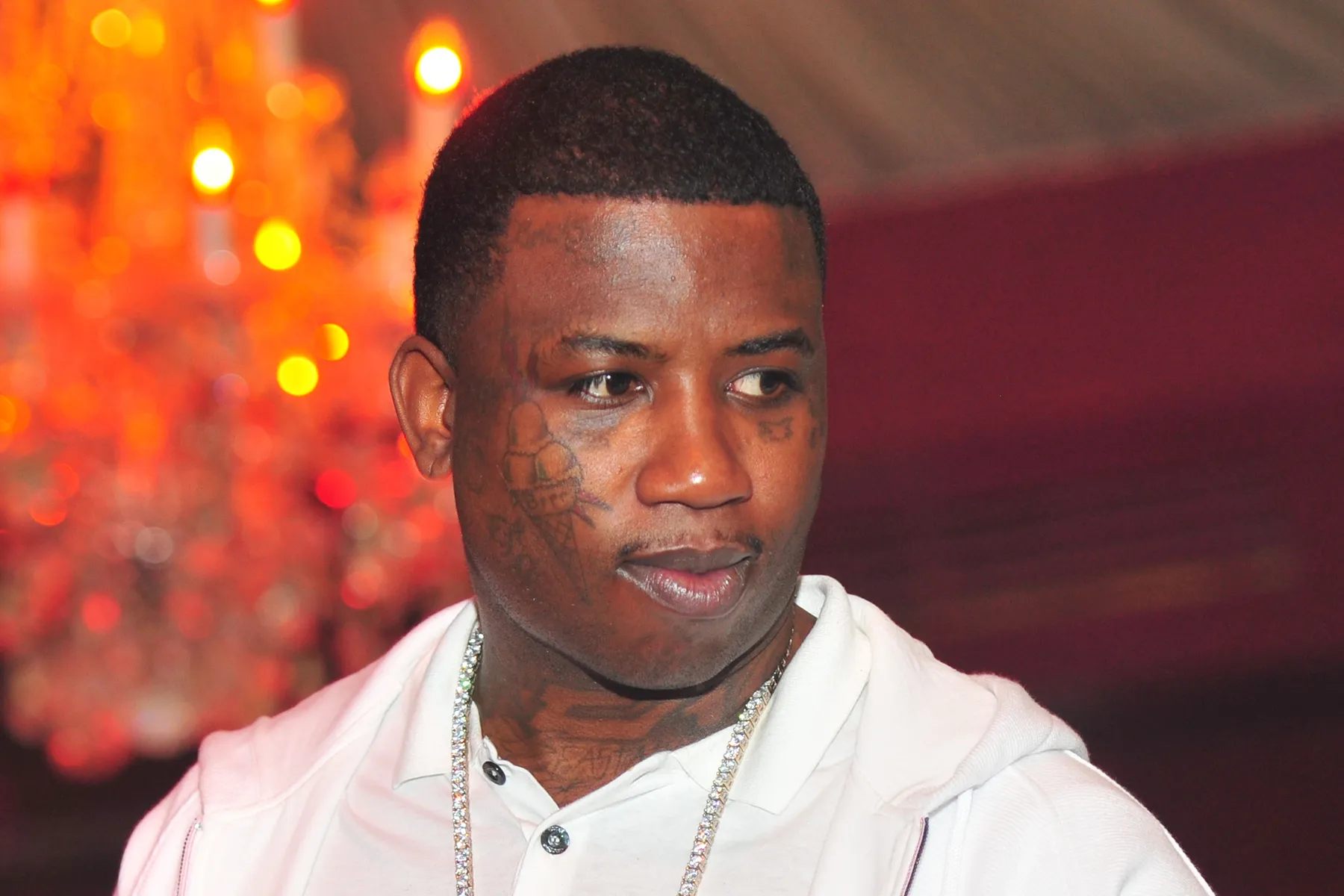
Gucci Mane.
Each name comes with its own “moment.”
Carrey appearing publicly after long absences, looking different enough to spark speculation.
Kanye speaking about control, institutionalization, and resisting medication during some of his most chaotic public periods.
Gucci Mane returning from prison physically transformed, sharper, calmer, almost unrecognizable compared to his earlier persona.
To most, these changes have clear explanations—growth, recovery, age, discipline.
To believers, they are evidence of replacement.

The Illusion of Change vs. The Idea of Replacement
At the center of the theory is a question that feels simple but isn’t.
When someone changes dramatically, what are people actually seeing?
Is it evolution?
Or is it something else entirely?
In reality, transformation is common. People rebuild themselves. They step away, return differently, and leave parts of their past behind. Fame amplifies that change, making it feel more sudden, more extreme.
But the internet doesn’t always accept gradual explanations.
It looks for breaks in continuity. Differences in appearance. Shifts in behavior. Anything that disrupts the version of a person it has already accepted.
And once doubt enters the picture, it grows.
Why The Theory Persists
There is no verified evidence that Dave Chappelle—or any of the others mentioned—has been cloned or replaced.
But the theory continues to circulate because it taps into something deeper than facts.
Distrust of powerful systems.
Suspicion of the entertainment industry.
The idea that success comes with hidden costs.
When Chappelle spoke about pressure and control, it resonated. When Kanye talked about being institutionalized, it raised questions. When celebrities disappear and return changed, it creates a gap in understanding.
That gap is where theories like this take hold.
The Reality
Dave Chappelle today continues to perform, speak, and shape his career on his own terms. His evolution—from controversial comedian to reflective, often philosophical voice—has been visible over time.
Whether people see that as growth or something else depends on what they bring to the story.
Because in the end, this isn’t really about cloning.
It’s about perception.
About how much change people are willing to accept before they stop recognizing someone.
And about what fills the silence when no clear answer satisfies everyone watching.
The question isn’t what happened.
It’s why so many people feel like something did.