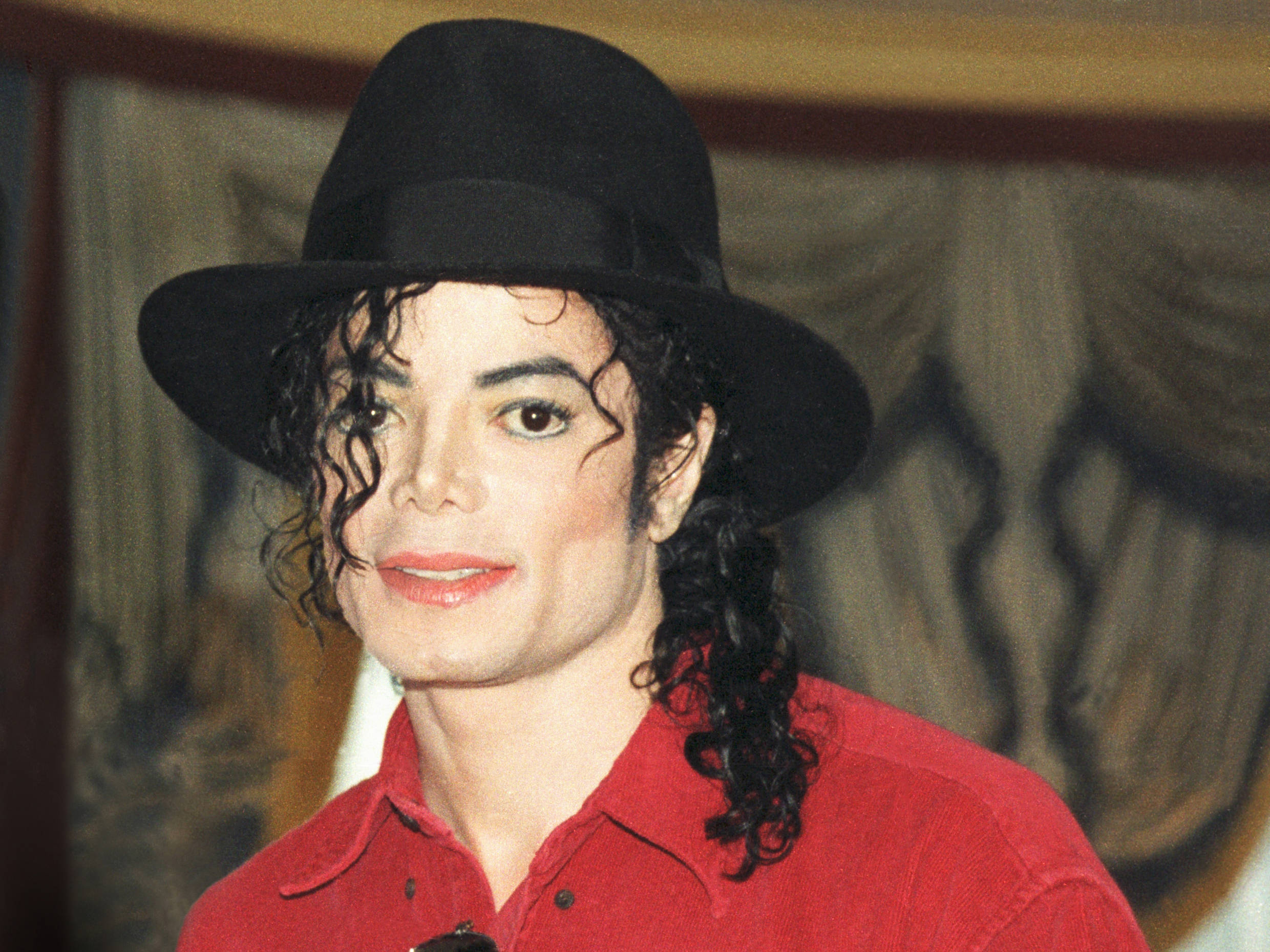
Michael Jackson, Neverland, and the Question That Refuses to Go Away
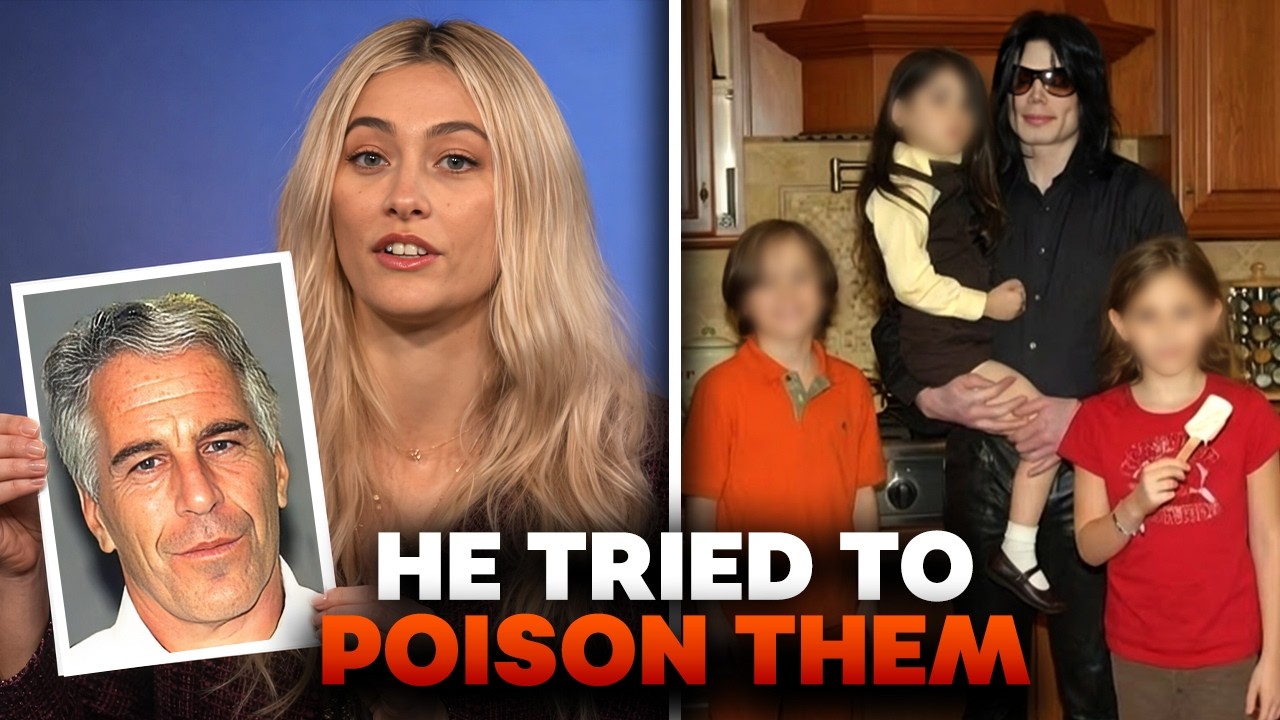
Some stories never truly disappear. They change shape, pick up new details, and return years later with a different question at the center. That is exactly what is happening again with Michael Jackson.
For decades, he has remained one of the most debated figures in modern culture. He was adored across the world, but he was also shadowed by accusations that never stopped following him. Now, in the wake of renewed attention around Jeffrey Epstein, a new theory has begun circulating online. It suggests that Michael Jackson may have used Neverland not to harm children, but to protect them from darker forces moving through elite circles.
It is a dramatic reversal of the story many people thought they already knew. And that is why the conversation has become so intense again.
The Rumor That Reopened Everything
The latest speculation centers on claims that Paris Hilton allegedly suggested Michael Jackson used Neverland as a safe place for children, shielding them from what was happening around Epstein’s world.
That idea has spread quickly online, especially because it challenges the image that has long surrounded Jackson. Instead of casting him as a dangerous figure, it recasts him as someone who saw something disturbing and tried to create a sanctuary in response.
Nothing in these claims has been publicly confirmed. Still, the rumor has found an audience because it connects two stories that continue to haunt public memory: Michael Jackson’s relationship with children and the crimes tied to Epstein.
Why the Epstein Photo Triggered Such a Reaction
When the Epstein files were unsealed, one image immediately set off a storm online: Michael Jackson and Jeffrey Epstein standing together in Palm Beach.
For many people, that photograph seemed to confirm their worst suspicions. Michael Jackson was already a figure surrounded by controversy, so seeing him in Epstein’s orbit felt deeply unsettling. The reaction was swift and emotional, and the image spread everywhere.
But the files themselves did not accuse Jackson of any crime. His name appeared alongside many others who moved through wealthy and influential circles at the time. There were no allegations in the documents linking him to Epstein’s criminal network, and his name did not appear on flight logs to Epstein’s island.
That distinction matters, even if it did not stop the outrage.
The Explanation Behind the Photo
According to Michael Jackson’s former bodyguard, the photo with Epstein was taken during a house-hunting trip in Palm Beach in either 2002 or 2003.
He described the encounter as brief and professional. In that telling, the image was not evidence of a secret relationship or a deeper connection. It was a short meeting captured in a moment that later took on a far darker meaning because of what the world eventually learned about Epstein.
Even so, once a photo like that enters public view, context rarely moves as fast as suspicion.
A Past That Keeps Returning
Part of why this rumor has taken hold is because Michael Jackson’s history was already so complicated.
The allegations against him first surfaced in 1993. He was later charged in 2003 and stood trial in 2005. The entire world watched as he fought to clear his name. In the end, he was acquitted on all counts.
Legally, he was found not guilty. Publicly, however, the suspicion never fully disappeared.
That unresolved tension has shaped every conversation about him ever since. For supporters, the acquittal should have settled the matter. For critics, the questions never went away. That is why any new theory involving children, protection, or Neverland instantly carries so much weight.
Neverland as Sanctuary or Something Else
Neverland Ranch remains central to how people interpret Michael Jackson.
It was a huge property filled with rides, animals, theaters, and gardens. Michael described it as a place where children, especially those who were sick or facing difficult circumstances, could experience joy and safety. Supporters have long argued that Neverland reflected his desire to recreate the childhood he never had.
Critics have always looked at it differently. They have asked why a grown man would build a world so centered on children and why some people who once spent time there later accused him of abuse.
That divide has never been resolved in the public imagination. The new rumor simply pushes the argument into another form. Was Neverland a place of danger, or was it a refuge?
The New Protector Narrative
The latest theory suggests that Michael Jackson knew what was happening around Epstein and built Neverland as a way to keep children away from those forces.
This idea has gained momentum because it offers a completely different reading of Jackson’s relationship with children. In this version, the same behavior that once raised alarms now gets interpreted as protective rather than predatory.
It is a powerful shift, but it remains built on speculation rather than verified proof. Still, for people who have long believed Jackson was misunderstood or deliberately targeted, the theory feels like a missing piece clicking into place.
The Role of Macaulay Culkin
One of the strongest voices in Jackson’s defense has always been Macaulay Culkin.
He spent time at Neverland as a child and testified under oath during the 2005 trial that Michael Jackson never touched or harmed him. Over the years, he has repeated that position again and again in public.
His consistent defense has become an important part of the newer narrative around Jackson. Some now point to his experience as evidence that Neverland was not what critics claimed it was. Others go even further, saying Jackson protected him from dangers outside Neverland itself.
That interpretation has helped breathe new life into the idea that Michael may have been trying to shield children rather than exploit them.
Why People Suspect Narrative Control
Another part of the conversation now focuses on why Michael Jackson’s image appeared so prominently in connection with Epstein’s files.
Critics of the release argue that Jackson is such a polarizing figure that placing his image near Epstein instantly guarantees outrage. In that view, the result is distraction. Public attention floods toward Michael Jackson while more politically sensitive names stay in the background.
This argument became even louder when people pointed to other images in the files that were reportedly removed and later restored after backlash. That sequence has led some to question whether the release of certain photographs was really about transparency at all, or whether it was also about shaping where public attention would go.
From that perspective, the issue is not whether Jackson was tied to Epstein. The files do not establish that. The issue is why his image became such a focal point.
Why the Debate Still Feels So Raw
What makes this story so difficult is that it sits right at the intersection of memory, suspicion, grief, and unresolved history.
Michael Jackson is not here to defend himself. The legal case against him ended in acquittal, but the public argument around him never truly ended. Now, with Epstein’s world under fresh scrutiny, people are revisiting the same questions with a new lens.
Was he part of something darker? Was he wrongly grouped in with powerful men whose crimes became public later? Or was he trying, in his own unusual way, to create a safe place in a world he believed was dangerous?
Those questions do not have clean answers. That is why they keep returning.
The Story That Refuses to Settle
In the end, the reason this conversation will not go away is simple. Michael Jackson’s story has never fit neatly into one explanation.
To some, he remains a tragic figure whose image was permanently damaged by accusations and innuendo. To others, he remains a man whose behavior around children can never be separated from deep discomfort and lasting suspicion. And now, to a growing number of people, he is being reconsidered as someone who may have been protecting children from things the public still does not fully understand.
That does not settle anything. But it explains why, after all these years, people are still asking the same question in different forms.
Not just who Michael Jackson was, but what Neverland really meant.