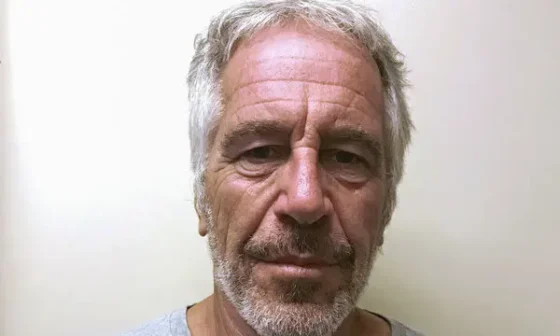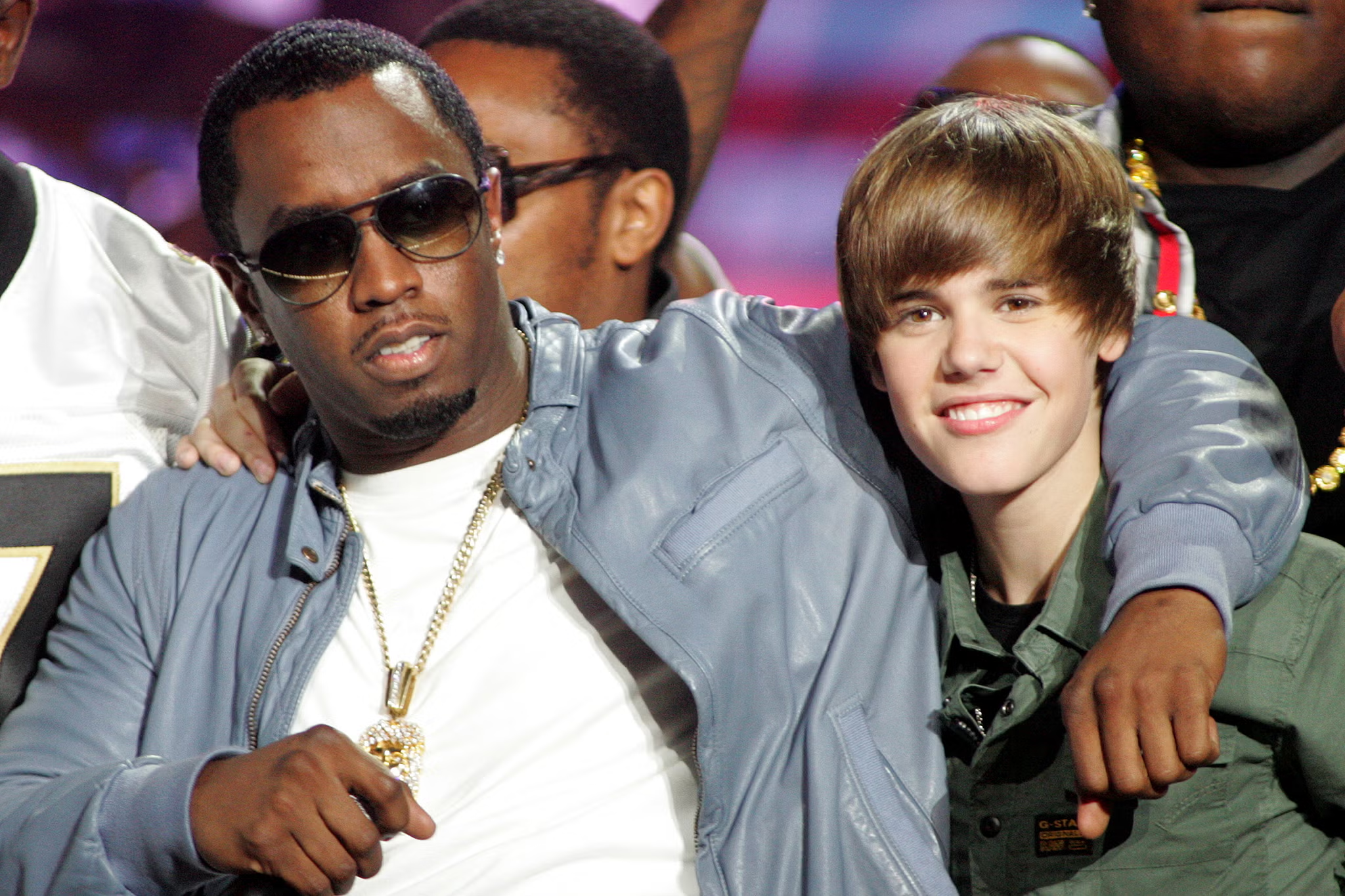
As Sean “Diddy” Combs faces serious federal charges, the focus for many has shifted beyond the case itself. Among those amplifying that shift is Joe Rogan, who has been asking a question that’s quickly gaining traction: if Diddy is being held accountable, is the story bigger than one person?
It’s a question that has sparked intense discussion—blending confirmed developments with speculation, interpretation, and broader concerns about power in the entertainment industry.
A Case That’s Capturing Attention

Diddy’s legal situation has already drawn widespread coverage. Federal prosecutors allege he was involved in serious criminal activity, including coercion and exploitation tied to his business and social circles.
Reports of large-scale investigations, including raids and seized materials, have added to the sense that this is not a minor case. The scale alone has led many observers to ask how such alleged activity could have continued for so long without wider exposure.
That’s where the conversation begins to expand.
The Question That’s Fueling Debate
On his podcast, Joe Rogan has framed the issue in a broader way. Rather than focusing only on the charges, he has questioned whether Diddy acted alone or within a larger system.
The comparison he draws is to past high-profile cases, where individuals were convicted but questions remained about others who may have been involved.
For Rogan, the concern is not just about one figure, but about whether there are layers of influence that remain unseen.
Between Allegation and Interpretation
It’s important to separate what is confirmed from what is being suggested. The charges against Diddy come from federal prosecutors and are part of an ongoing legal process.
At the same time, many of the broader claims circulating—about other individuals, hidden networks, or systemic cover-ups—are based on civil filings, commentary, or speculation. These have not been proven in court.
That distinction is central to understanding the conversation.
Why the Story Feels Bigger
Part of what makes this situation resonate is the idea that power and influence can shape what is seen and what remains hidden.
Rogan and others have discussed how environments involving wealth, celebrity, and access can create conditions where behavior goes unchecked. References to concepts like “honeypots” or leverage systems reflect theories about how influence might operate behind closed doors.
These ideas are not new, but they gain momentum when tied to high-profile cases.
Names, Silence, and Public Curiosity
As the discussion spreads, various public figures have been mentioned in connection with the broader narrative. In some cases, these mentions come from civil lawsuits or public commentary rather than confirmed findings.
No charges have been filed against many of the individuals being discussed, and proximity or association does not equal involvement. Still, the lack of clear answers has fueled ongoing curiosity.
Silence, in this context, often becomes part of the story—even when it may simply reflect legal caution or privacy.
The Role of Media and Perception
Another layer of the debate involves how the story is being covered. Some commentators have suggested that certain aspects are receiving less attention than expected, raising questions about media priorities.
Others argue that coverage is evolving as information becomes available, and that conclusions should not be drawn prematurely.
This tension reflects a broader skepticism about how large stories are handled in the public sphere.
A Pattern or a Projection?
Comparisons to past cases have intensified the discussion, particularly the idea that high-profile figures can become focal points while larger systems remain out of view.
However, whether this represents an actual pattern or a projection of public suspicion is still unclear. Without verified evidence, these parallels remain part of interpretation rather than established fact.
What We Know—and What We Don’t
What is clear is that a federal case is underway, with ongoing investigations and legal proceedings. What remains unclear is the extent of any broader involvement beyond what has been formally charged.
The gap between those two realities is where much of the current conversation exists.
A Question That Lingers
Joe Rogan’s central question—whether there is more to the story than what is visible—has resonated because it taps into a wider concern about power, accountability, and transparency.
At the same time, answering that question requires evidence, not just inference.
A Story Still Unfolding
As the case develops, more information may clarify what is currently uncertain. For now, the discussion continues to grow, shaped by both confirmed details and unverified claims.
What began as a legal case has become something larger: a reflection of how quickly narratives expand, and how strongly people are drawn to the possibility that there is always more beneath the surface.
Whether that proves true in this instance remains to be seen.