Rihanna’s Quietest Years Became Her Most Powerful

What happens when one of the biggest stars in the world stops chasing hits and starts building something bigger?
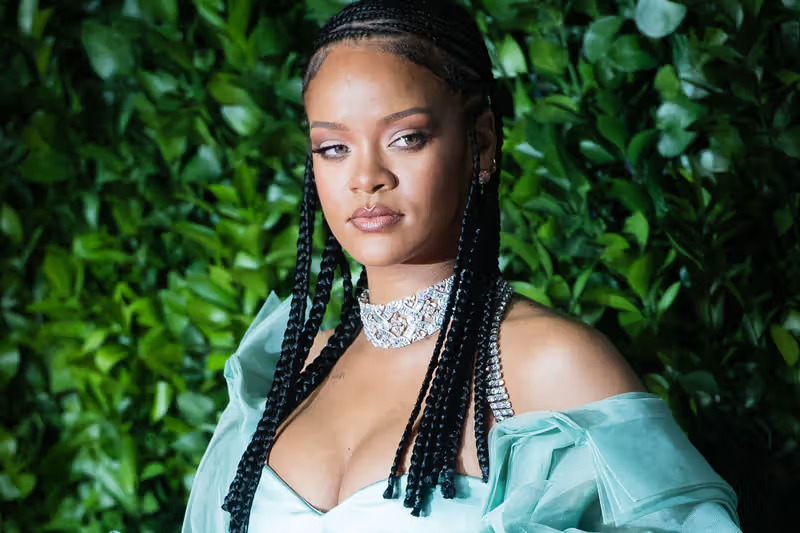
For years, Rihanna seemed to step away from the thing that made her famous. The albums slowed down. The chart takeovers paused. Fans kept waiting for the next era, the next release, the next big return. But while the music world wondered where she went, Rihanna was creating a different kind of legacy—one built on business, resilience, motherhood, and control.
Her story is no longer just about fame. It is about what happens when a global superstar decides success will be defined on her own terms.
From Barbados to the World
Rihanna was born Robyn Rihanna Fenty on February 20, 1988, in St. Michael, Barbados. Long before the wealth, the fashion empire, and the global fame, her life was shaped by instability at home. Her father struggled with addiction, and the family lived with the uncertainty and pain that came with it.
Those early experiences left a lasting mark. They taught her about hardship, forgiveness, and the complicated nature of family. Even with the pain, she came to see her father as someone who still shaped her in meaningful ways.
As a teenager, she formed a girl group with classmates and auditioned for producer Evan Rogers while he was vacationing in Barbados. He immediately saw something special in her and invited her to the United States to record demo tapes.
That opportunity changed everything.
The Fast Rise of a Star
In 2005, at just 17 years old, Rihanna auditioned for Jay-Z at Def Jam Recordings. She performed for him, impressed him, and signed with the label. From there, her ascent was immediate.
“Pon de Replay” became an instant hit. Her debut album, Music of the Sun, went gold. Then came A Girl Like Me and her first number one single, “SOS.”
But it was Good Girl Gone Bad in 2007 that transformed Rihanna from a rising pop star into a cultural force. “Umbrella” became one of the defining songs of the decade, and suddenly Rihanna was everywhere—on the radio, on television, at award shows, and at the center of pop culture.
She was not just making hits. She was setting trends and expanding her influence far beyond music.
The Night That Changed Everything
Then came February 8, 2009.
Rihanna was forced to cancel her Grammy Awards performance after reports surfaced that she had been physically assaulted by then-boyfriend Chris Brown. As the case unfolded, the world watched in real time. The charges, the leaked photo, and the public scrutiny turned a deeply painful experience into a global spectacle.
What should have remained private became one of the most visible domestic violence cases in pop culture history.
The period that followed was marked by shame, confusion, and pressure. But it also marked a turning point. Rather than letting the moment define her, Rihanna began reshaping herself through her work.
Turning Pain Into Art
Just one month after the Grammys, Rihanna began working on Rated R.
The album was darker, sharper, and more defiant than what came before. It reflected someone processing trauma while refusing to be reduced by it. She was no longer simply the hitmaker behind massive singles. She was becoming an artist willing to expose vulnerability, anger, and reinvention.
And she kept going.
Each release that followed expanded her reach even further. Loud gave the world “Only Girl in the World,” “What’s My Name?” and “S&M.” Talk That Talk featured “We Found Love,” which became one of the bestselling singles of all time. Then Unapologetic debuted at number one and delivered “Diamonds,” further cementing her place among the biggest artists in the world.
Rihanna was not slowing down. She was evolving.
Building More Than a Music Career
At the same time, she began building a presence on screen.
She appeared in Battleship in 2012, had a memorable role in This Is the End in 2013, voiced Tip in Home in 2015, and took on a major role in Valerian and the City of a Thousand Planets in 2017. In Ocean’s 8 in 2018, she proved she could hold her own alongside a powerhouse cast.
She was showing that her presence extended beyond music. Rihanna was becoming something larger than a recording artist.
Then came Anti in 2016.
The album was moody, introspective, and less concerned with radio formulas. It still produced a major hit with “Work,” but the project felt more personal and more experimental. It showed a different kind of confidence—one rooted in doing exactly what she wanted.
And after that, the music mostly stopped.
The Power Move That Changed Everything
Rihanna did not step back because she ran out of talent. She stepped into something bigger.
In September 2017, she launched Fenty Beauty with a clear mission: makeup for everyone. With 40 shades of foundation at launch, the brand directly addressed a gap the beauty industry had long ignored. Women with darker skin tones had been underserved for years, and Rihanna built a brand around inclusion instead of treating it like an afterthought.
The impact was immediate.
Fenty Beauty was not just a commercial success. It changed the industry. Other brands scrambled to catch up, expanding their own shade ranges after seeing what Rihanna had proven: inclusion was not just morally important, it was good business.
In 2018, she expanded further with Savage X Fenty, a lingerie brand centered on body positivity and diversity. Its fashion shows became major cultural events, featuring people of different sizes, races, and gender identities.
Rihanna was no longer just a celebrity attaching her name to products. She was building an empire that reflected what she believed people deserved: representation, access, and quality.
By 2021, Forbes declared her a billionaire. Not because of new albums, but because of Fenty Beauty and Savage X Fenty. She became the wealthiest female musician in the world by reshaping industries, not by feeding the usual cycle of pop stardom.
A Return on Her Own Terms
In 2022, Rihanna returned to music for a specific reason.
She recorded “Lift Me Up” for Black Panther: Wakanda Forever, her first solo release since Anti. The song, created as a tribute to Chadwick Boseman, reminded people that when Rihanna chooses to make music, it still carries enormous weight.
It was not a full return. It was something more deliberate.
That choice has become central to how Rihanna moves now. She does not release work because the world demands it. She does it when it feels meaningful.
Love, Family, and a New Chapter
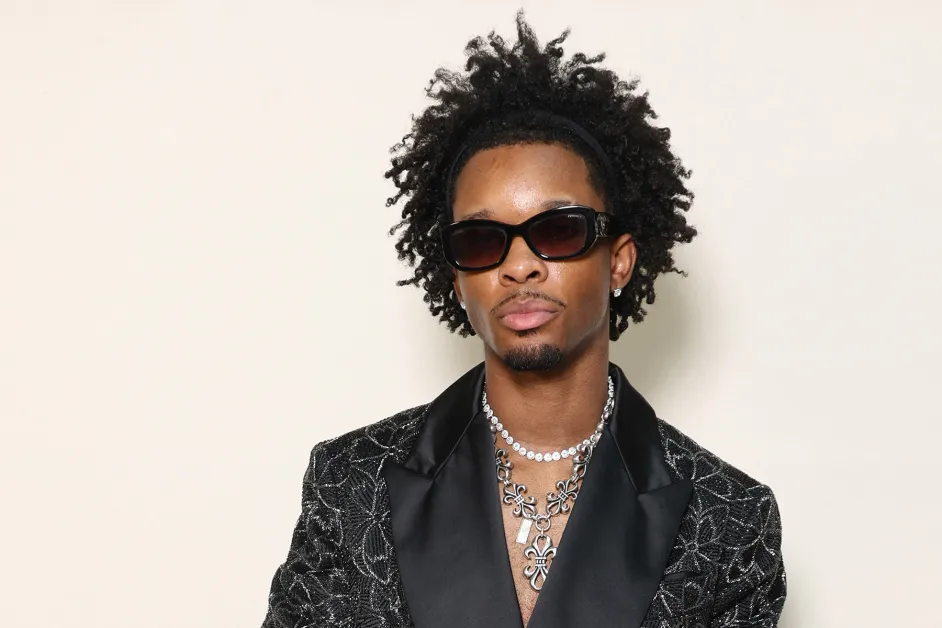
In her personal life, Rihanna found something steadier with ASAP Rocky.
The two had known each other for years, but in 2020 they began a relationship that felt more grounded and mature. It was built on friendship, privacy, and mutual respect.
In May 2022, they welcomed their first son, RZA. Rihanna’s pregnancy immediately became a cultural moment, not because she hid it, but because she refused to. She embraced bold fashion, visible confidence, and a version of motherhood that rejected the expectation that pregnant women should disappear behind caution or modesty.
She made pregnancy look powerful.
Then, on February 12, 2023, she delivered one of the defining moments of her career.
The Super Bowl That Reframed Everything
Rihanna headlined the Super Bowl 57 halftime show in her first live performance in more than five years. That alone would have been enough to dominate headlines.
But during the performance, she revealed her second pregnancy.
The moment went viral instantly. More than that, it became historic. Rihanna became the first person to headline a Super Bowl halftime show while pregnant. The performance drew 121.017 million viewers, making it the most watched halftime show in history.
She had returned after years away, while pregnant, and delivered a performance that became a cultural landmark.
Later that year, in August 2023, she and ASAP Rocky welcomed their second son, Riot Rose.
Still, Rihanna spoke openly about wanting a daughter.
The Life She Had Been Hoping For
In September 2025, that wish came true.
Rihanna and ASAP Rocky welcomed their third child, a daughter named Rocky Irish. The arrival of their daughter completed the family Rihanna had been envisioning. After years of wanting a girl, she now had the chance to experience a new kind of motherhood within a household already full of energy and chaos.
In the months that followed, she became more private than she had been with her previous pregnancies. She kept this chapter closer, more protected. But she did not disappear.
By November 2025, she had made her first red carpet appearance since giving birth, stepping out at the CFDA Awards in New York City with ASAP Rocky. Soon after, the couple was seen in Paris, showing that even with three children, they were still making space for their relationship.
At the same time, Rihanna reflected publicly on the milestone of 20 years in entertainment, thanking fans for two decades of support.
Redefining Success
What makes Rihanna’s story so compelling is not just that she became richer or more famous. It is that she changed the shape of success entirely.
For years, women in entertainment were told they had to choose. Career or family. Art or business. Motherhood or ambition. Rihanna refused that framework.
She became a billionaire businesswoman without depending on constant album releases. She built brands that disrupted entire industries. She returned to the stage only when it mattered to her. She became a mother of three while remaining one of the most recognizable and influential women in the world.
That does not mean the path has been free of criticism. Fans continue to demand her long-awaited ninth album. There have been controversies surrounding labor practices, product sizing, and environmental concerns tied to her brands. She has addressed some issues, stayed quiet on others, and continued forward in the way she chooses.
That, too, is part of the story. Rihanna does not move by public pressure. She moves by her own instinct.
What Her Legacy Looks Like Now
As of 2025, Rihanna’s net worth is estimated at $1.4 billion. Most of that wealth comes from Fenty Beauty, where she owns 50% of a company valued at about $2.8 billion, along with Savage X Fenty. Her music catalog still generates revenue, but it now represents only a small part of the empire she has built.
And yet, the money is only part of what makes her story powerful.
Rihanna has become an example of what it looks like to build a life with intention. She has shown her children what it means to create something meaningful, to push for inclusion, and to refuse smaller definitions of what a woman can be. She has shown that taking a break does not mean losing relevance, and that the world will wait when you have made yourself undeniable.
From Barbados to billionaire, from early trauma to public survival, from pop superstardom to motherhood and industry disruption, Rihanna has done more than succeed. She has redefined the rules.
The fans may still be waiting for R9. But Rihanna has already made something bigger than another album.
She has built a life, a family, and an empire that answer to no one but her.