A bold claim comparing Cardi B and Cristiano Ronaldo has been making waves online, sparking debate across social media. According to viral posts, Cardi allegedly said she is more famous than Ronaldo and suggested that football is only widely known in Europe. The statement has fueled strong reactions—but there’s a key issue: there’s no verified evidence she ever said it.
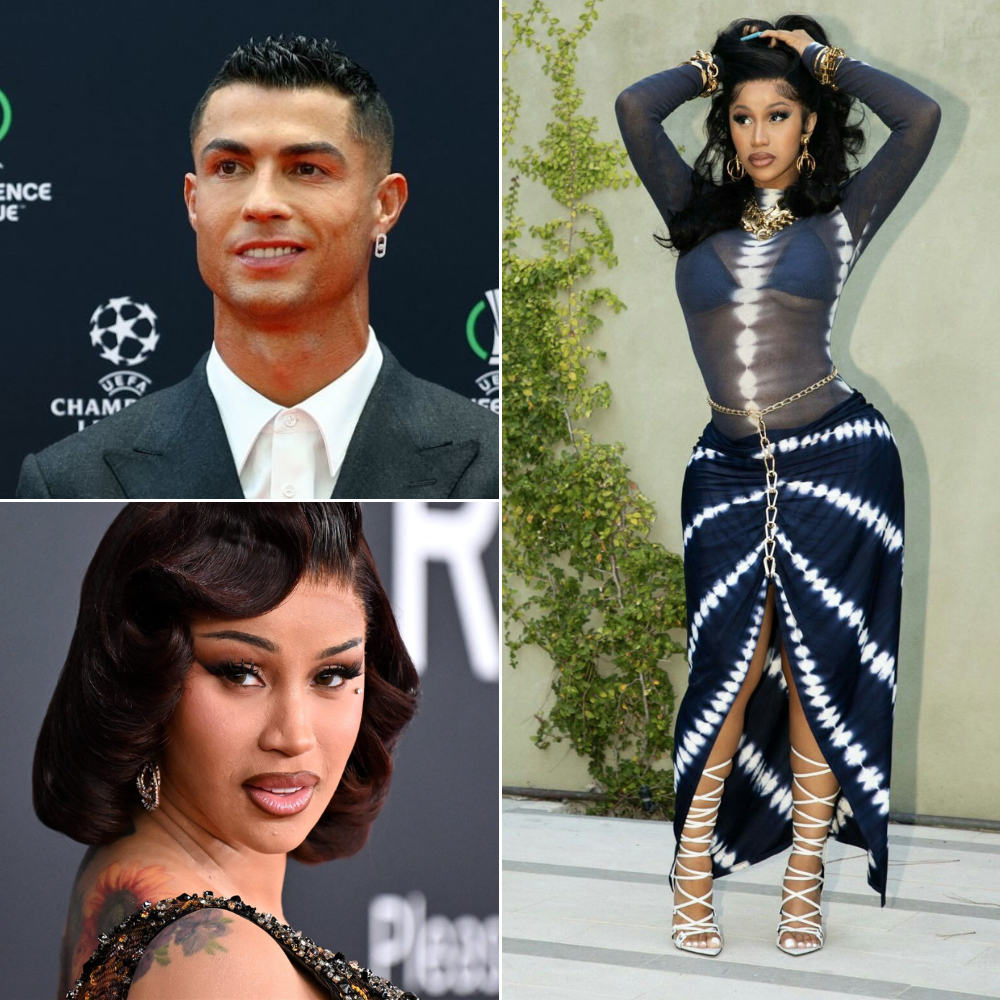
The claim has spread rapidly through screenshots, reposts, and short-form videos. However, there is no confirmed interview, video, or credible source linking the quote directly to Cardi B.
This pattern is common in viral misinformation. A statement—whether altered, misinterpreted, or entirely fabricated—can gain traction quickly, especially when it’s controversial or attention-grabbing. In this case, the lack of a clear origin has raised immediate doubts.
Why the Comparison Caught Fire
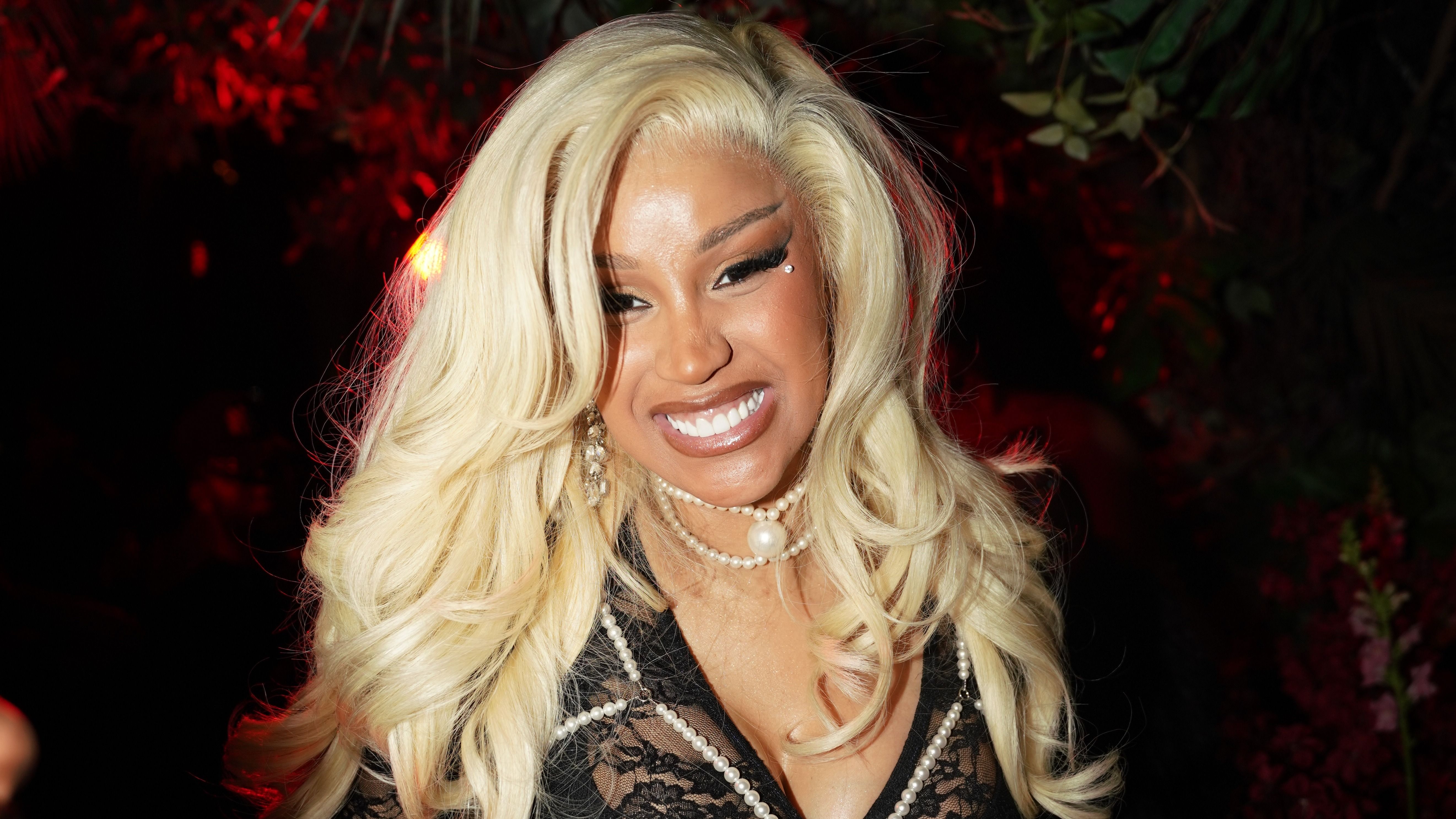
Part of the reason the claim gained so much attention is the comparison itself. Cristiano Ronaldo is widely recognized as one of the most globally known athletes, with influence that extends far beyond football. His reach spans continents, supported by his long career and massive following.
Cardi B, on the other hand, represents global influence through music. As a chart-topping artist, she has built a wide international audience, with her work reaching listeners across borders through digital platforms.
The contrast between sports and music has become central to the discussion, with many debating how global fame should even be measured.
A Debate About Global Reach

The claim that football is “only known in Europe” has been a major point of contention. Many have pushed back against this idea, noting the sport’s widespread popularity across regions such as South America, Africa, and Asia.
This disagreement highlights a broader issue: defining global influence is not straightforward. Fame can be measured through audience size, engagement, cultural impact, or geographic reach. Because Cardi B and Cristiano Ronaldo operate in entirely different industries, direct comparisons can oversimplify a much more complex reality.

As the quote spread, social media quickly turned it into a larger debate. Some users defended Cardi B, suggesting the statement may have been taken out of context or misrepresented. Others dismissed it altogether as false.
Without confirmation, the discussion has remained open-ended, driven more by interpretation than by verified facts.
A Familiar Pattern Online
This situation reflects a broader trend in digital culture. Viral quotes can shape public perception regardless of their authenticity, especially when they involve well-known figures and bold claims.
Because information spreads faster than it can be verified, unconfirmed statements can reach massive audiences before questions are raised.
No Response, No Confirmation
So far, neither Cardi B nor Cristiano Ronaldo has addressed the claim. Without any direct acknowledgment or reliable source, the quote remains unverified.
A Reminder to Question What You See
The ongoing debate says as much about internet culture as it does about celebrity influence. It highlights how quickly narratives can form—and how easily they can spread without a clear origin.
Until credible evidence emerges, the statement should be treated with caution. For now, it stands as another example of how viral content can blur the line between fact and speculation in the digital age.