On a night built around bold choices and musical throwbacks, American Idol delivered something even more compelling than standout performances—a moment that reshaped the competition.
The April 6 live episode wasn’t just about the Judges’ Song Contest. It was about control, confidence, and ultimately, a decision that no amount of voting could predict.
From Voting Chaos to Clarity
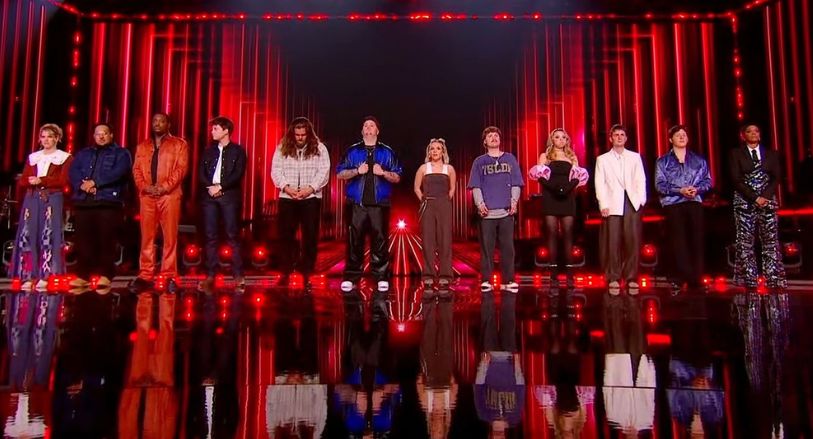
After the previous week’s unexpected voting delay, the show opened with long-awaited answers. Two contestants—Jake Thistle and Julián Kalel—were eliminated, narrowing the field to a Top 12 ready to face one of the season’s most strategic challenges.
This time, everything moved with precision.
No delays. No uncertainty.
Just a clear path forward—and a twist waiting at the end.
The Judges’ Song Contest: Strategy in Disguise
At first glance, the Judges’ Song Contest feels like a fun theme night—’90s hits, familiar melodies, and nostalgic energy. But beneath that surface is a more calculated test.
Each judge—Carrie Underwood, Luke Bryan, and Lionel Richie—selected songs for the contestants. The artists then had to choose which one to perform, without knowing who picked it.
That single unknown changed everything.
Choosing a song became more than a musical decision. It was a test of instinct. Of identity. Of whether a contestant truly understands what works for them—or can take a risk and make something unexpected feel authentic.
Performances That Defined the Night
Several contestants used the moment to push beyond their comfort zones.
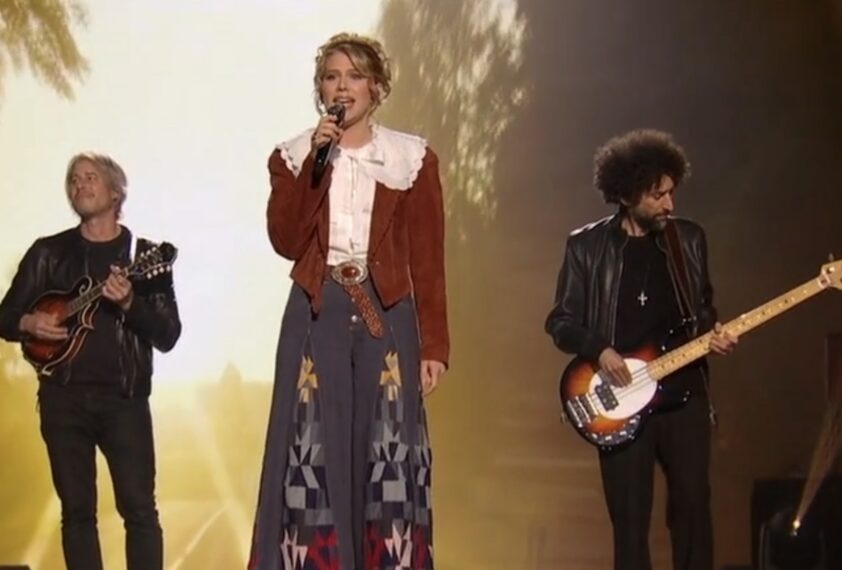
Hannah Harper leaned into familiarity, revisiting “Heads Carolina, Tails California,” but with a refreshed, more confident energy that showed clear growth. Jordan McCullough surprised both judges and viewers by embracing a Mariah Carey classic, turning confusion into a standout moment. Daniel Stallworth proved adaptability, delivering a performance that revealed a new layer of artistry.
Elsewhere, contestants like Kyndal Inskeep and Philmon Lee showcased individuality through rearrangements and bold stylistic choices, while others—like Brooks and Braden Rumfelt—took visible risks that didn’t always land perfectly but demonstrated ambition.
That mix of confidence and experimentation is exactly what this stage of the competition demands.
Lionel Richie’s Dominant Night
As the performances unfolded, a quiet narrative began to take shape.
Contestants kept choosing Lionel Richie’s songs.
Again and again.
By the end of the night, it wasn’t even close. Richie won the Judges’ Song Contest by a landslide, earning seven selections compared to Underwood’s three and Bryan’s two.
That victory came with power—the ability to save one contestant from elimination.
And that power would soon define the episode.
The Top 11—And the Two Left Waiting
When the votes were revealed, ten contestants advanced automatically into the Top 11: Chris Tungseth, Kyndal Inskeep, Daniel Stallworth, Hannah Harper, Jordan McCullough, Braden Rumfelt, Philmon Lee, Keyla Richardson, Brooks, and Lucas Leon.
That left Rae and Jesse Findling in the bottom two.
Two different artists. Two different strengths. One impossible choice.
A Decision That Changed Everything
With the judges’ advantage in play, the final outcome no longer belonged to the audience.
It belonged to Lionel Richie.
Before making his decision, Richie didn’t hide the difficulty of the moment. Both contestants had delivered. Both had proven they deserved to be there. And both had something more to give.
But the format demanded a choice.
In the end, Richie chose to save Rae—sending her into the Top 11 and ending Jesse’s journey.
It wasn’t a decision that came with universal agreement.
And that’s exactly why it mattered.
What This Moment Reveals About the Competition
At this stage, American Idol stops being just about who sings best.
It becomes about who evolves.
Who adapts.
Who can turn uncertainty into opportunity.
Rae’s save suggests a belief in potential—an investment in what she might become in the coming weeks. Jesse’s elimination, despite a strong showing, underscores how unforgiving the competition has become.
There’s no longer room for safe performances.
Or even consistently good ones.
To move forward, contestants need to create moments that feel necessary.
What’s Next: Pressure, Legacy, and Live Stakes
Looking ahead, the Top 11 will face a new challenge: performing songs from Rock & Roll Hall of Fame inductees, with live voting determining who advances to the Top 9.
It’s a theme that comes with weight.
These aren’t just songs—they’re cultural landmarks. And reinterpreting them requires more than vocal ability. It demands perspective.
With fewer contestants and higher stakes, every performance from here on out carries more consequence.
The Competition Has Officially Shifted
If this episode proved anything, it’s that the rules of the game are changing.
Votes still matter—but they’re no longer the only force at play.
Judgment, strategy, and timing are now just as critical.
And for the contestants who remain, the path forward is clear but unforgiving:
Don’t just perform.
Define who you are—before someone else decides for you.