The transcript spins a dramatic, conspiracy-laden story centered on family tensions in the Knowles-Lawson circle, escalating to extreme accusations against Beyoncé. It claims Bianca Lawson (daughter of Richard Lawson, ex-husband of Tina Knowles) is “exposing” Beyoncé for allegedly “sacrificing” her son Sir Carter—implying some dark trade-off for Blue Ivy’s success—and grooming Blue Ivy for superstardom from birth, while shielding Sir due to ulterior motives. This ties into Richard Lawson’s reported comments on Sir being autistic (with ADHD), a non-disparagement clause from the divorce, and broader rumors of occult involvement, witchcraft (from ex-drummer Kimberly Thompson), and industry “sacrifices” echoed by figures like Kanye West and Jaguar Wright.
These claims circulate almost exclusively in YouTube videos, TikTok clips, Facebook posts, and gossip channels with sensational titles like “Bianca Lawson EXPOSES Beyonce For Sacrificing Her Son For Blue Ivy.” They recycle the same phrasing from the transcript, suggesting scripted or copied content designed for clicks rather than verified reporting. No mainstream news sources, interviews, or direct statements from Bianca Lawson confirm she has made these specific accusations. Searches for her publicly exposing Beyoncé on these topics yield only viral rumor videos and social media reposts—no credible outlets, court filings, or quotes from Lawson herself. The “insider” sources remain anonymous and untraceable.
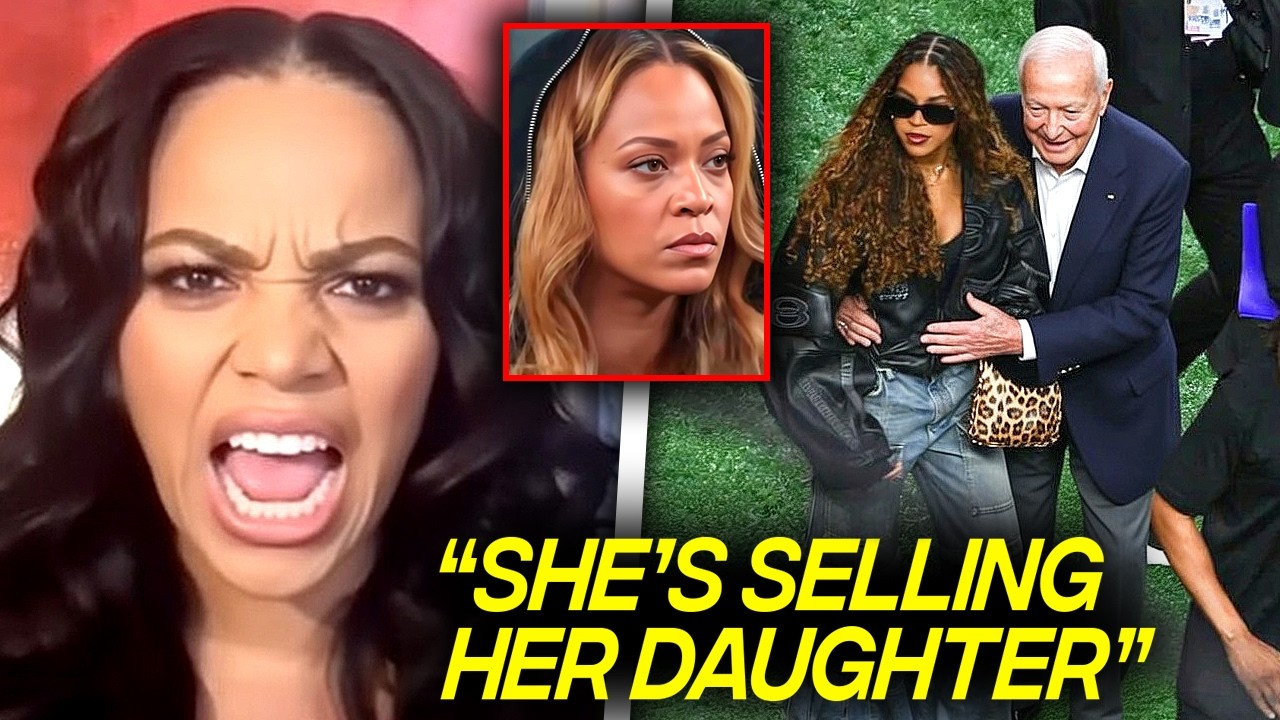
Richard Lawson’s mention of Sir’s conditions (autism and ADHD) appears in similar gossip videos, often framed as a breach of the divorce agreement with Tina Knowles, sparking backlash toward him for discussing a child’s private health. Beyoncé and Jay-Z have kept Sir out of the public eye, consistent with their protective approach to their children’s privacy—Blue Ivy appears selectively (e.g., on stage or in videos), while Sir remains largely private. No evidence supports “sacrifice” theories or grooming beyond parental involvement in a child’s talents, common in entertainment families.
Older claims, like Kimberly Thompson’s 2018 restraining order attempt alleging “extreme witchcraft” and spells (denied by courts and widely dismissed as unfounded), resurface here to bolster occult narratives. Similar unproven hints from Kanye or Jaguar Wright tie into long-running conspiracy lore about Hollywood elites, but lack substantiation.

The biting rumor (from Tiffany Haddish’s story about an unnamed actress biting Beyoncé over Jay-Z) gets linked speculatively to Bianca, but no confirmation exists—others like Lainey or Sarah Foster denied it, and it remains tabloid fodder.
This narrative amplifies family friction post-Tina and Richard’s divorce into something sinister, playing on real contrasts in the twins’ visibility and industry whispers. Yet it rests on unverified gossip, not facts. Beyoncé’s success stems from documented talent, work ethic, and strategy—not proven dark dealings. Blue Ivy’s rise reflects a supportive parent nurturing evident abilities, not grooming in a nefarious sense. Sir’s privacy respects potential sensitivities around neurodiversity, a compassionate choice many families make.
In the end, these viral storms thrive on speculation, turning private family matters into public spectacle. They highlight how quickly rumors spread in celebrity culture, especially when tied to powerful figures like Beyoncé. Without direct evidence or statements from those involved, it’s wise to approach with skepticism—real stories deserve proof, not just dramatic retellings.