When a champion known for speaking her mind makes a serious accusation, the internet reacts instantly. That’s exactly what happened when boxing superstar Claressa Shields reportedly said three words that ignited a wave of speculation online:
“He set me up.”
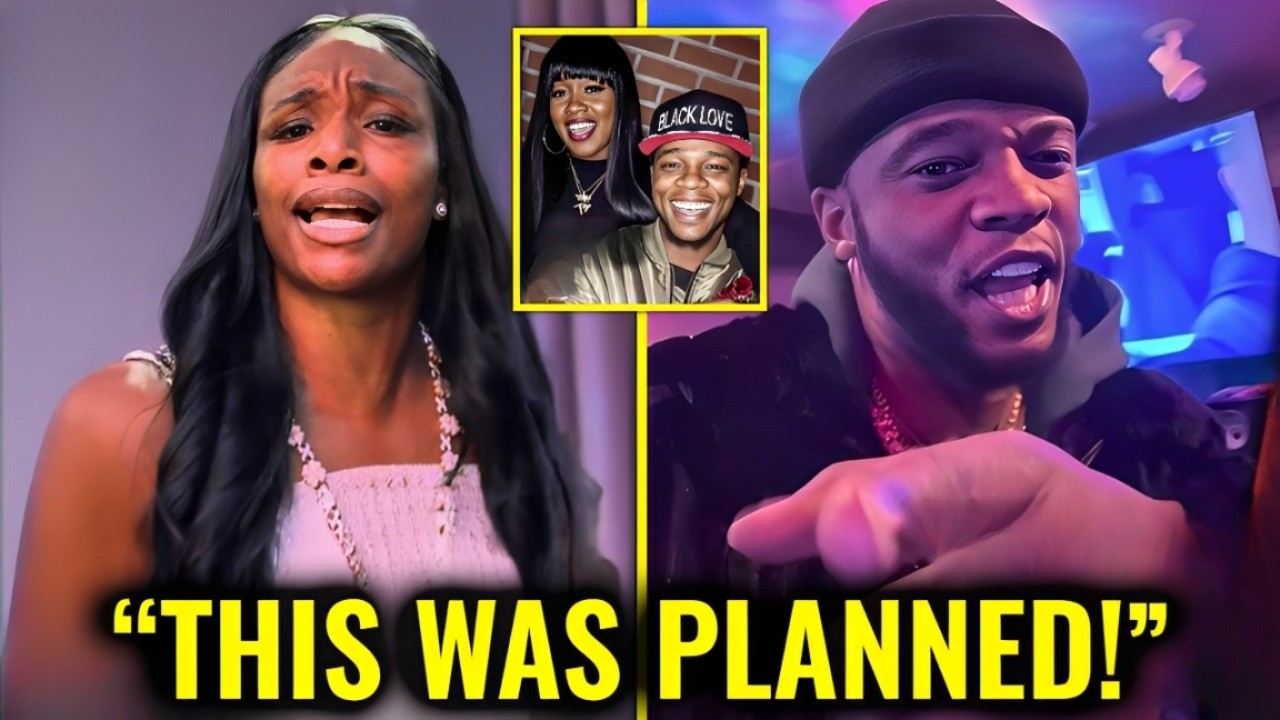
The comment, directed toward rapper Papoose, quickly spread across social media. Within hours, fans, commentators, and reaction channels were debating what exactly happened—and whether the moment was a misunderstanding, a media stunt, or something more deliberate.
But like many viral celebrity conflicts, the situation remains unclear, incomplete, and heavily interpreted through online speculation.
Where the Controversy Began
According to clips and posts circulating online, Claressa Shields suggested she entered a situation involving Papoose without knowing the full details.
Her claim that the situation was “arranged” immediately triggered questions among fans:
-
Was the moment planned for publicity?
-
Was it meant to create a viral confrontation?
-
Or was it simply a miscommunication behind the scenes?
So far, no full transcript or detailed explanation of the original interaction has been publicly released, leaving much of the narrative open to interpretation.
Why the Word “Arranged” Sparked So Much Speculation
The term Shields allegedly used—“arranged”—is what fueled the most discussion.
That word implies intention rather than accident. To many fans, it suggested that someone may have engineered the situation to create drama or attention.
But without context—such as event planning details, production notes, or private communications—it’s impossible to confirm whether the moment was actually designed that way.
In the absence of clear information, social media tends to fill the gaps with theories.
Claressa Shields’ Reputation for Directness
Part of why the claim gained traction is the personality of Claressa Shields herself.
Shields is widely known for her outspoken confidence both inside and outside the ring. As a multi-division champion and Olympic gold medalist, she has built a public identity based on:
-
blunt honesty
-
strong self-defense of her reputation
-
willingness to confront criticism directly
Because of that history, many supporters believe her reaction likely came from genuine frustration rather than calculated theatrics.
Others, however, argue that in today’s media environment even conflicts can serve strategic publicity purposes.

Papoose’s Silence Adds to the Mystery
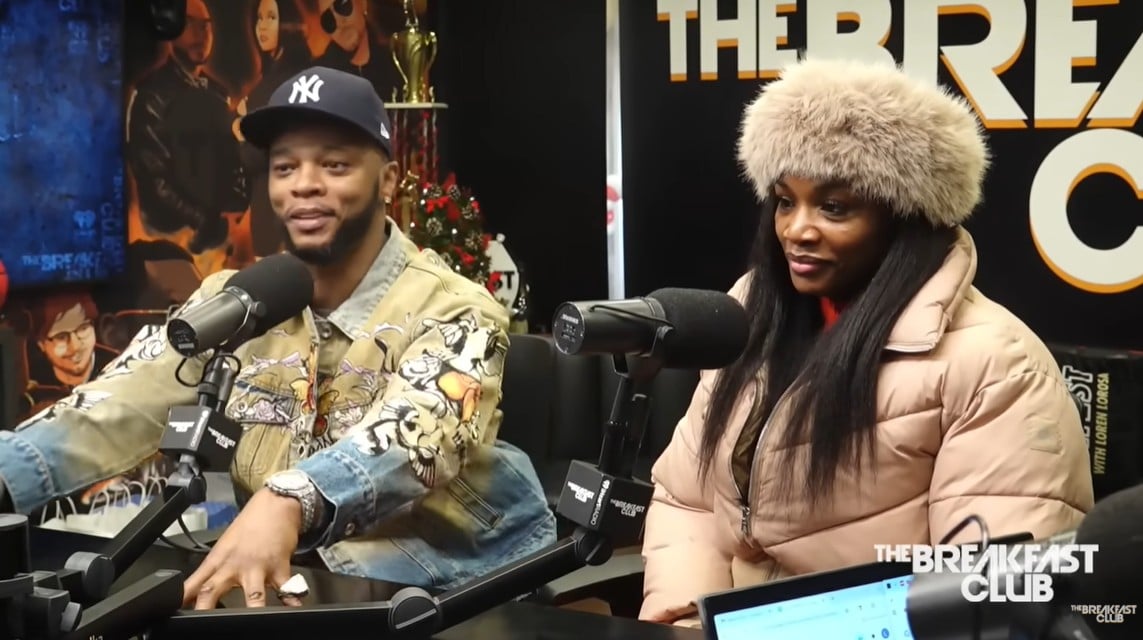
One factor amplifying the situation is the lack of a detailed response from Papoose.
When high-profile accusations appear online, silence can be interpreted in several ways:
-
a legal precaution
-
a decision to avoid escalating drama
-
or a strategic choice to let the conversation fade
Without a clear rebuttal or explanation, speculation naturally fills the space.
That uncertainty has allowed multiple narratives to develop simultaneously.
The Culture Clash Between Boxing and Hip-Hop Promotion
Another angle discussed by industry observers involves the difference between boxing promotion and hip-hop media culture.
Boxing events are typically structured through formal systems involving:
-
promoters
-
contracts
-
sanctioning bodies
-
carefully negotiated appearances
Hip-hop entertainment, by contrast, often thrives on spontaneous moments, surprise collaborations, and viral controversy.
If the situation involved media production or entertainment promotion, it’s possible expectations differed between the parties involved.
What might feel like an exciting surprise in one industry could feel like an ambush in another.
Modern celebrity conflicts rarely stay contained to a single event.
Instead, they quickly expand through:
-
livestream reactions
-
fan commentary threads
-
short clips edited without full context
In many cases, a single quote—especially a dramatic one—can circulate faster than any full explanation.
That appears to be happening here, where the phrase “He set me up” has traveled far beyond its original context.
No Legal Action—At Least for Now
Despite the online debate, there is currently no public indication of legal action related to the situation.
If someone believes they were intentionally misled about the nature of an appearance or event, potential disputes would typically hinge on:
-
contractual agreements
-
communication records
-
event planning documentation
Without those elements being made public, the issue remains largely a matter of public perception rather than legal dispute.
The Bigger Question: Authenticity vs. Entertainment
The controversy highlights a broader issue in modern celebrity culture.
Audiences increasingly want authenticity—real reactions, unscripted moments, genuine emotion. Yet at the same time, viral content often depends on carefully engineered drama.
When someone claims they were manipulated for entertainment, it forces fans to confront an uncomfortable possibility:
How much of what we watch online is real, and how much is designed for attention?
Where the Story Stands Now
At this stage, several key points remain unresolved:
-
The exact context of the original interaction
-
Whether any event or appearance involved prior agreements
-
Whether either party plans to provide additional clarification
Until those details emerge, the narrative will likely continue evolving through commentary, speculation, and social media analysis.
One Sentence That Changed the Conversation
For now, the situation revolves around a single powerful phrase.
When Claressa Shields reportedly said “He set me up” about Papoose, it instantly reframed their interaction from routine appearance to potential conflict.
Whether it ultimately proves to be a misunderstanding, a publicity moment, or something more deliberate remains unclear.
But one thing is certain: in the digital age, sometimes three words are enough to start a global conversation.