Tupac Case Resurfaces: New Claims, Old Allegations, and a Trial That Could Change Everything
Nearly three decades after Tupac Shakur’s death, one of hip-hop’s most enduring mysteries is heading back into the spotlight. With a trial scheduled for 2026, old accusations, resurfaced interviews, and fresh speculation are colliding—bringing new attention to names that have long been part of the conversation.
But as the noise grows louder, one thing remains clear: much of what’s being discussed is still unproven, and the courtroom—not the internet—will ultimately decide what holds weight.
A Case That Never Fully Closed
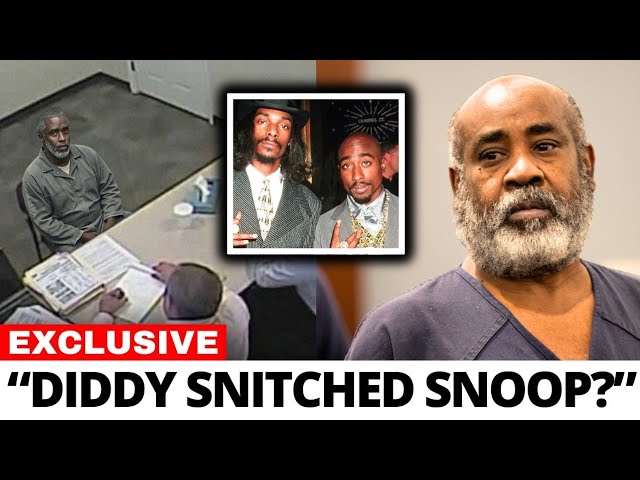
At the center of the legal proceedings is Duane “Keefe D” Davis, the only person currently charged in connection with Tupac’s 1996 killing. After decades of speculation, his case is finally moving toward trial, with a court date set for August 2026.
Recent developments have kept the case alive in headlines. A judge ruled that evidence obtained from a 2023 search of Davis’s home can be used in court, strengthening the prosecution’s position as the trial approaches.
Davis has long been a controversial figure in the story. Over the years, he has spoken openly in interviews and even described his role in events surrounding Tupac’s death. At the same time, he maintains his innocence, setting the stage for a trial that could hinge heavily on his own past statements.
The Diddy Allegations Resurface
As the case gains momentum, long-standing claims involving Sean “Diddy” Combs have once again entered public discussion.
For years, Keefe D has alleged that money was offered in connection with the attack on Tupac. These claims have been repeated in interviews and media appearances, often suggesting that financial incentives played a role in the events leading up to the shooting.
Diddy, however, has consistently denied any involvement. He has publicly rejected the accusations and, according to Tupac’s family, even reached out personally in the past to deny any connection to the case.
Despite those denials, the allegations have remained part of the broader narrative, resurfacing whenever new developments occur.
Rumors of Cooperation and Testimony
One of the most talked-about elements in the current wave of discussion is the idea that Diddy could potentially cooperate with authorities or provide testimony.
At this stage, those claims remain unconfirmed. There has been no official statement indicating that such an agreement exists. Still, the possibility alone has generated intense interest, as it could significantly impact both the prosecution’s case and the defense strategy.
If Diddy were ever to testify under oath, it could either reinforce long-standing suspicions or dismantle them entirely.
The East Coast–West Coast Context
To understand why these names keep resurfacing, it’s important to remember the climate of the 1990s.
Tupac was closely tied to Death Row Records and the West Coast scene, while Diddy led Bad Boy Records on the East Coast alongside The Notorious B.I.G. The rivalry between the two sides was fueled by music, media coverage, and personal tensions.
Tupac himself publicly expressed suspicion about people he believed were connected to attempts on his life. In interviews, he suggested that certain figures may have played a role, statements that intensified the divide between the two camps.
Suge Knight later echoed similar suspicions, claiming he confronted Diddy after the shooting. Diddy has never accepted those claims and has continued to deny any involvement.
Snoop Dogg and the Expansion of Theories
As the conversation grows, other names are being pulled into the narrative, including Snoop Dogg.
Some resurfaced stories suggest that information about Tupac’s movements may have been shared with individuals connected to the case. However, there has been no official evidence or legal action linking Snoop Dogg to Tupac’s death.
Still, because of his close ties to Death Row Records and Tupac at the time, his name has appeared in speculation over the years. The current wave of discussion has simply brought those theories back into circulation.
A Case Built on Layers of Claims
The Tupac case has always been complicated by overlapping accounts, conflicting stories, and decades of speculation.
Keefe D’s own statements have played a central role. He has admitted to being in the vehicle involved in the shooting but insists he was not the person who fired the shots. Those admissions ultimately contributed to his arrest, and they are expected to be a key part of the trial.
At the same time, other voices—former associates, bodyguards, and industry insiders—have offered their own interpretations, often pointing to a more complex web of responsibility.
The Shadow of Biggie’s Death
No discussion of Tupac’s case exists in isolation. Just months after Tupac’s death, The Notorious B.I.G. was killed in Los Angeles under similarly unresolved circumstances.
Both cases remain officially unsolved beyond the current charges in Tupac’s case, and both have fueled decades of theories about retaliation, internal conflicts, and broader industry dynamics.
Some claims suggest that both incidents may have involved people within their respective circles rather than outside actors, though these ideas remain part of ongoing debate rather than confirmed conclusions.
What Happens Next
With the trial approaching, attention is shifting from speculation to evidence.
For years, the story of Tupac’s death has been shaped by interviews, rumors, and competing narratives. Now, for the first time in decades, a courtroom may provide a structured examination of what actually happened.
Whether the trial delivers clear answers or raises even more questions remains to be seen. But one thing is certain: this moment represents the closest the public has come in years to potentially understanding the truth.
A Legacy Still Searching for Closure
Tupac’s death has never faded from public consciousness. For his family, the case has remained unfinished, prompting renewed efforts to investigate old claims and seek accountability.
As new discussions emerge and old names resurface, the line between fact and speculation continues to blur. But with legal proceedings finally underway, the focus may soon shift away from rumor and toward something more definitive.
Until then, the case stands as both a cultural mystery and a legal turning point—one that could reshape how one of hip-hop’s most tragic chapters is understood.