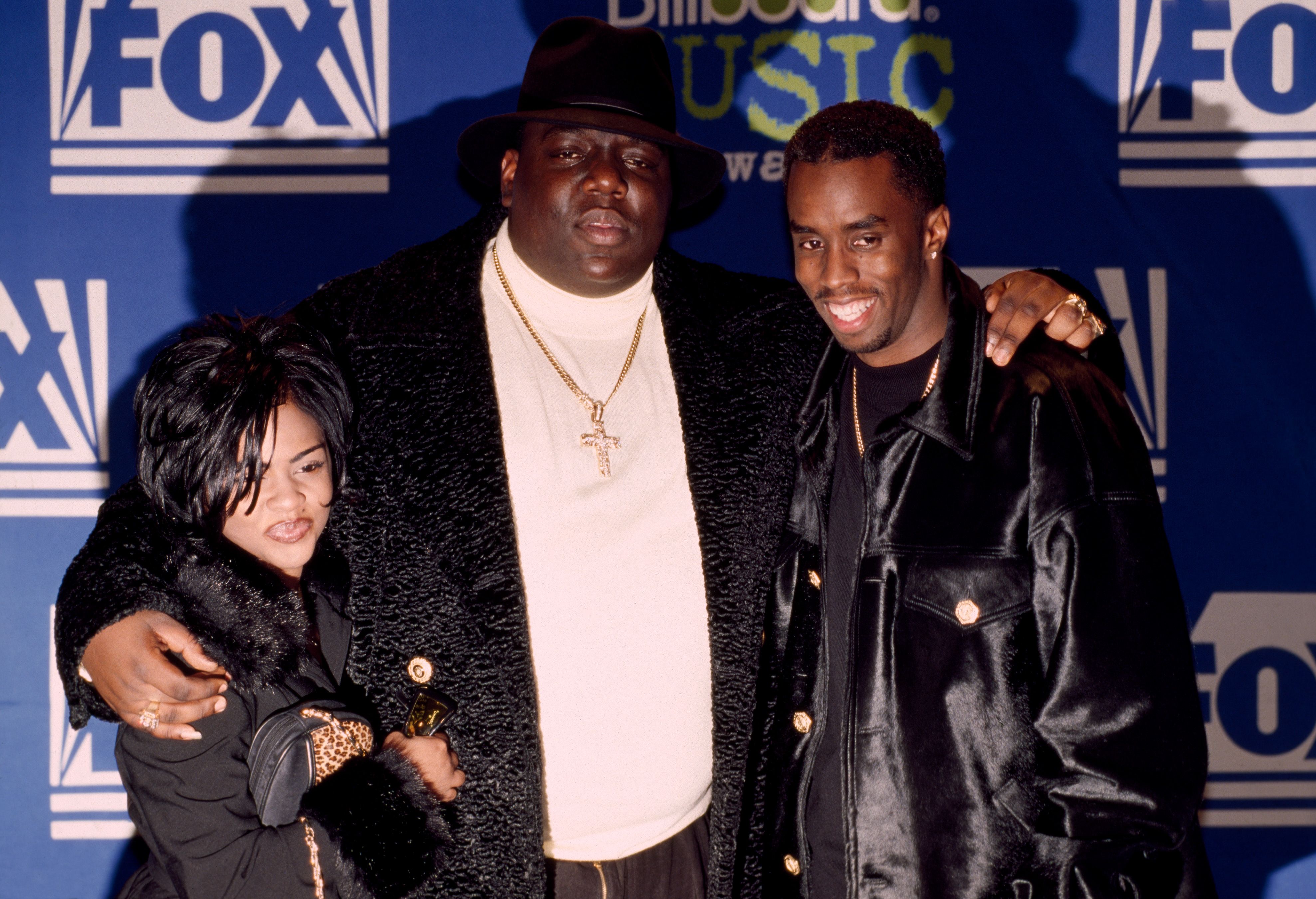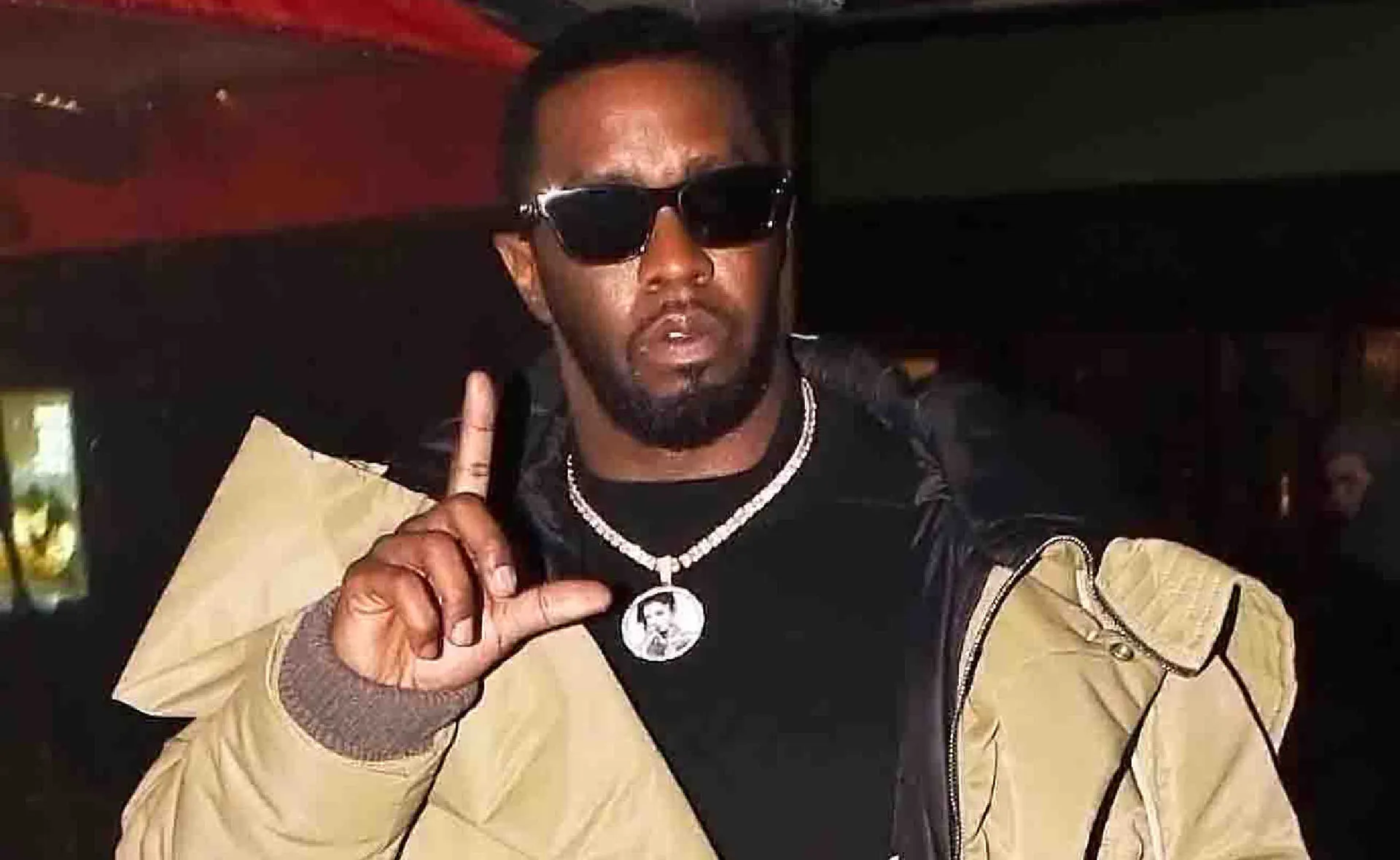
The hip-hop world has always thrived on rhythm and rhyme, but beneath the beats lurks a rhythm of regret—one that’s pulsing louder than ever in the wake of Sean “Diddy” Combs’ downfall. It’s December 2025, and as Diddy serves out his 50-month sentence at FCI Fort Dix for Mann Act violations, the ghosts of the ’90s are stirring. A resurfaced voicemail from The Notorious B.I.G.—Christopher Wallace to those who loved him—has fans and insiders reeling, its words a chilling prelude to the drive-by that claimed his life on March 9, 1997. Layered atop that is Lil Kim’s decades-old testimony, a fierce cry against the man who molded her rise but allegedly clipped her wings. Together, they paint a portrait of betrayal that feels less like rumor and more like reckoning, especially with Gene Deal’s raw accounts adding fuel to the fire.

Let’s start with the voice that haunts: Biggie’s last voicemail. Grainy and urgent, it captures the Brooklyn kingpin in a moment of unguarded vulnerability, just days before his murder. “Yo, Puff, man, this beef… it’s gettin’ too hot. I ain’t feelin’ LA right now,” he says, his tone laced with the street wisdom that made him a legend. The clip, unearthed in Netflix’s explosive docuseries Sean Combs: The Reckoning (streaming since early December), isn’t just audio—it’s an indictment. Biggie, fresh off Ready to Die‘s platinum success, was riding high but sensing the crosswinds of the East-West feud Diddy and Suge Knight had fanned into a inferno. Tupac Shakur’s killing in Vegas six months earlier had turned L.A. into enemy territory, yet Diddy pushed for a promo swing to hype Life After Death. Why? Bad Boy co-founder Kirk Burrowes, speaking in the doc, drops the hammer: “Biggie didn’t want to go, but Sean talked him into it… canceled a London trip because he wanted a party on enemy turf. He ushered Biggie to his death.”
Burrowes isn’t alone in pointing fingers. Gene Deal, Diddy’s ex-bodyguard from 1991 to 2005, has been unloading in interviews and the Peacock doc Diddy: The Making of a Bad Boy (January 2025 premiere). Deal was there that fateful night, pulling Biggie’s bloodied body from the GMC Suburban after four shots rang out at a red light post-Soul Train afterparty. “It wasn’t no drive-by,” Deal insists, his voice cracking in a recent Art of Dialogue sit-down. “The car was waiting at the corner all night. We had intel—somebody was gonna die. I told Puff, ‘One of us is gettin’ killed at this Vibe party.’ He brushed it off.” Deal’s pain is visceral; he replayed the chaos in his 2023 book My Life with the Ultimate Bad Boy, describing how he begged for more security and how Diddy’s “anxious” vibe that week set off alarms. “Puff ran out the hospital door, grabbed my arm: ‘Gene, we gotta pray!’ But prayers don’t stop setups.”

The setup theory gains traction with Deal’s claim about the car—adorned with Life After Death stickers courtesy of Bad Boy’s street team, making it a neon “hit me” sign. “Only one car had ’em—Biggie’s. Somebody in our crew marked it,” he says. And the motive? Biggie was eyeing independence. Deal recalls rifling through Diddy’s briefcase on a flight back from L.A., spotting a $62 million contract for Biggie’s new imprint: sign-on bonuses, gold/platinum escalators, even publishing reclamation. Artists like Lil Kim, Junior M.A.F.I.A., and Charli Baltimore were slated to join. “Big told me, ‘Jean, I’d take you with me… but you love Puff too much.’ He was broke then—owed for truck speakers—but this deal? Game-changer.” Biggie’s death ensured Diddy retained control, posthumously minting millions from Life After Death (16 days post-murder, 10x platinum) and endless catalogs. As one Reckoning insider quips, “Big was worth more dead to Bad Boy than alive.”
Enter Lil Kim, the pint-sized powerhouse whose warnings about Diddy now echo like prophecies unheeded. Introduced to Puff by Biggie in 1993 via Junior M.A.F.I.A., Kim was family from jump—grinding in Daddy’s House Studios, dropping Hard Core in ’96 (platinum without Bad Boy ink). But Diddy? He lowballed her star power. “She’s too pretty to be rappin’. Female rappers don’t look like her,” he told MTV in ’99, per resurfaced clips. Deal confirms: Diddy saw Kim as arm candy, not solo act. “He molded her image—glam, sexy—but never signed her. Big wrote her bars; Puff handled the shine.” Kim’s 2011 VladTV interview lays it bare: “Puffy never did nothin’ for me… When I was locked up [2005-06 perjury bid], he didn’t visit, write, or drop a dime in commissary. Oprah sent books; Marc Jacobs wrote daily. But Puff? Ghost.”
The sabotages stack up like indictments. Kim claims Diddy nixed her Cisco “Thong Song” feature—chart-topper potential—advising “play hard to get.” Then there’s Michael Jackson: Producer Rodney Jerkins pitched her for an album after MJ dug her “sexy, behind-the-beat” flow on Queen Bee. “I fell out my chair,” Kim laughed in a 2019 Drink Champs chat. But as her manager? Diddy stonewalled. “He was controlling—like a big brother. Me and Rodney had beef? It vanished.” Post-prison, Diddy pivoted to rival Nicki Minaj, producing her 2010 cuts while Kim seethed. “Nicki’s my artist now… Kim’s the queen, but it’s Dirty Money time,” he told Hot 97, brushing off beef. Nicki’s Hello Good Morning jab? “Diddy signed her too,” Kim fired back in her book The Queen Bee. By 2010, they weren’t speaking; Kim’s 2019 All Money Ain’t Good Money podcast vented: “He’ll never make another me… Puffy’s all about himself.”

Faith Evans, Biggie’s widow, has long defended Diddy—”Sean and Big had a bond I envied”—but whispers persist. Jaguar Wright alleged in 2024 pods that Faith was “hired” to infiltrate, her quickie marriage (10-20 days, per varying tales) a ploy. “She wasn’t by his side that night… told to lie till their son turned 18.” Estate docs? Ironclad: Faith’s cut tied solely to Christopher Wallace Jr., sidelining Biggie’s other kids. Deal scoffs: “All money ain’t good money.”
These threads—voicemail premonitions, Kim’s sidelined screams, Deal’s eyewitness grit—interweave into a tapestry of what-ifs. Was Biggie’s LA jaunt a peace tour or a sacrificial lamb? Did Diddy’s empire-building eclipse loyalty? As The Reckoning notes, the East-West war “bled into gang wars,” with Crips backing Bad Boy, Bloods Death Row. Keffe D’s 2008 LAPD tapes (aired in the doc) claim Diddy dangled $1M for Tupac and Suge—echoes for Biggie? Diddy’s denials ring hollow: “We don’t entertain nonsense,” he told Breakfast Club in 2016. Yet in 2017’s Can’t Stop Won’t Stop, he admitted “some responsibility” for the climate.

Today, as Diddy’s freak-off shadows loom (escort Clayton Howard details annual Biggie-death “tributes” in The Reckoning), the ’90s feel closer, rawer. Lil Kim, 51 and thriving via her IRK label, hints at more: “If I speak fully? Worlds shift.” Fans buzz on X—posts like @Lillyotx23’s karma callout tie Diddy’s Notorious biopic snub of Kim to 50 Cent’s doc payback. Biggie’s son CJ sues producers over false freak-off claims; Voletta Wallace’s November passing (rumors tied to Diddy, per @SikiraT) adds salt.
This isn’t schadenfreude; it’s a mirror to hip-hop’s soul. Biggie, the “teddy bear” motivator per Kim, dreamed of 500K fans and better lives. Kim, his “little sister,” clawed for hers amid sabotage. Deal? Still prays for peace, haunted by pulls from that Suburban. Diddy’s Teflon era crumbles, but the real loss? Untold truths from icons we crowned. As Burrowes warns, “Inroads on Biggie’s murder lead back to Puff.” Will Kim’s can of worms crack open? With Diddy’s May 2026 trial looming, the beat drops: truth over tracks, every time.