Reality TV has always thrived on standout moments—performances that break through the noise and linger long after the episode ends. In the current season of American Idol, one such moment didn’t even happen on the main stage. Instead, it unfolded online.
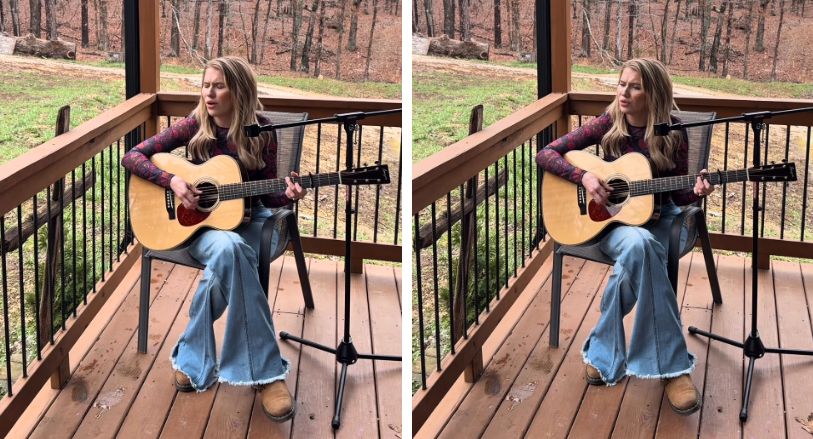
Contestant Hannah Harper recently shared an intimate acoustic cover of “When I’m Gone,” and the response was immediate and overwhelming. Within a single day, the performance drew hundreds of thousands of views and thousands of emotional reactions. But the viral moment isn’t just about impressive vocals—it taps into something deeper: memory, legacy, and the storytelling power of country music.
Here’s why Harper’s performance resonated so strongly—and what it could mean for her rising trajectory in the competition.
A Quiet Acoustic Performance That Hit a Nerve
Harper’s version of “When I’m Gone” was simple by design. Sitting with a guitar and letting the melody breathe, she stripped the song down to its emotional core. There were no elaborate arrangements, no dramatic production tricks—just voice, lyrics, and sincerity.
That minimalist approach turned out to be exactly what listeners needed.
The song is closely associated with late country singer Joey Feek, whose interpretation became deeply meaningful to fans following her public battle with cancer. Feek, known as one half of the duo Joey + Rory, passed away in 2016, and her music has continued to carry emotional weight for many listeners.
Harper didn’t try to replicate Feek’s performance note for note. Instead, she leaned into the song’s vulnerability, delivering it with a softness that allowed the lyrics to land with full impact.
For many viewers, that authenticity created the eerie feeling that they were hearing the song for the first time again.
A Tribute That Connected Generations of Fans
Alongside the cover, Harper posted a message marking the anniversary of Feek’s passing, reflecting on the singer’s faith, resilience, and the legacy she left behind.
It was more than a casual dedication—it was a thoughtful acknowledgment of the emotional history surrounding the song.
That context changed how audiences received the performance. Fans weren’t just hearing a contestant from a television competition; they were witnessing a younger artist consciously honoring someone whose story shaped modern country music.
In an industry often driven by fast trends, moments like that remind audiences why storytelling remains the genre’s heartbeat.
The Comment Section Turned Into a Community
The response online quickly became its own emotional event.
Listeners flooded the comments with memories tied to the song—moments of grief, reflection, and personal milestones. Some shared that the performance gave them chills. Others said it moved them to tears.
One particularly poignant comment came from a listener who said the song had been played at his wife’s funeral years earlier. Hearing Harper sing it, he wrote, brought back a wave of memories.
That kind of reaction reveals something powerful about music competitions: sometimes the most important performances aren’t the flashiest ones. They’re the ones that remind people of their own stories.
From Audition Surprise to Serious Contender
Harper’s viral moment didn’t appear out of nowhere. Her journey on American Idol has already been filled with attention-grabbing performances.
She first caught viewers’ attention during her audition with an original song titled “String Cheese.” Original material can be risky on a competition show, but the heartfelt writing and conversational tone helped the performance stand out.
Later in the competition, she impressed the judging panel—Luke Bryan, Carrie Underwood, and Lionel Richie—with a rendition of “A Little Past Little Rock” by Lee Ann Womack during Hollywood Week.
That performance secured her a place among the Top 30 contestants, officially positioning her as one of the season’s artists to watch.
Turning Criticism Into a Moment of Humor
Harper’s growing popularity hasn’t come without criticism. As often happens with reality TV contestants, social media scrutiny followed her rise.
One commenter urged viewers not to vote for her, mocking the fact that she’s a stay-at-home mother living in a trailer.
Instead of firing back with anger, Harper responded with humor. She joked that the trailer wasn’t even in a park—it was sitting in the middle of a hayfield.
The response went viral in its own right.
Fans rallied behind her, praising the way she handled the insult with grace and self-awareness. In a competition where relatability often matters as much as talent, moments like that can strengthen an artist’s connection with viewers.

The Ohana Round Raises the Stakes
Harper’s viral cover arrives at a crucial moment in the season.
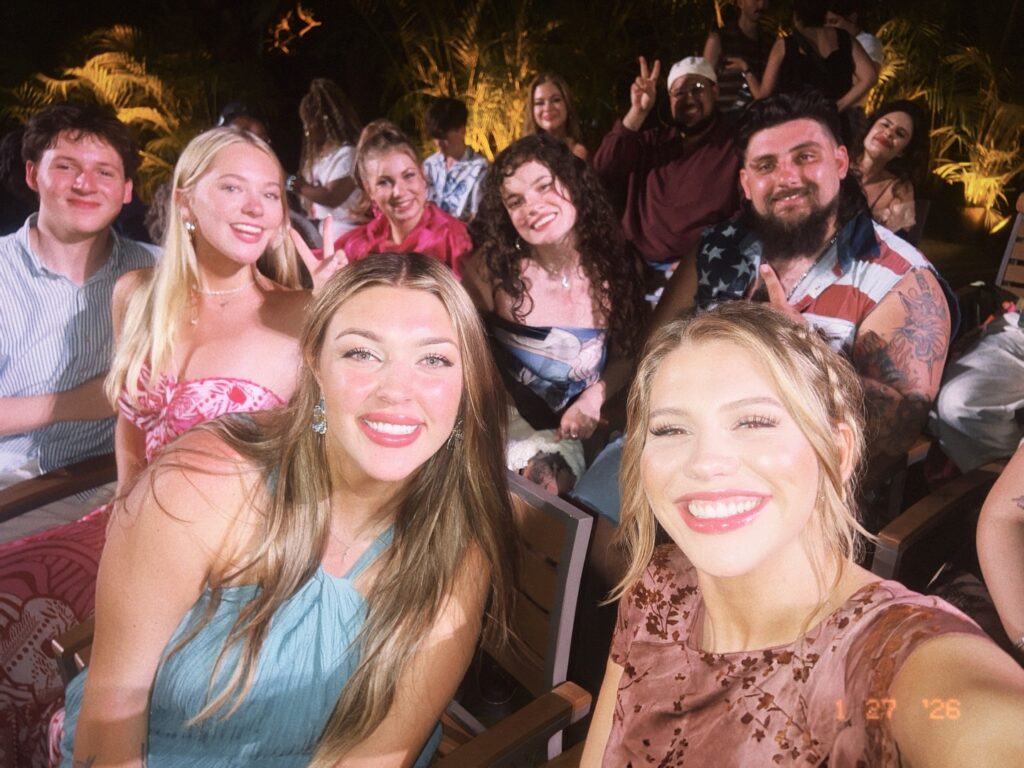
The show is now heading into the “Ohana Round,” filmed at Disney’s Aulani, A Disney Resort & Spa. Unlike earlier stages of the competition, the decision about who advances won’t rest solely with the judges.
Family members, fellow contestants, and industry figures will also weigh in—making the round as much about emotional connection as technical ability.
For someone like Harper, whose performances tend to create emotional resonance, that dynamic could work in her favor.

Why This Moment Matters for the Season
In reality competitions, momentum can shift overnight. A single viral performance can transform a contestant from a promising newcomer into a fan-favorite contender.
Harper’s tribute accomplished several things at once:
-
It showcased her vocal subtlety.
-
It connected her with country music’s storytelling tradition.
-
It introduced her to a wider online audience beyond the TV broadcast.
Most importantly, it demonstrated that she understands something crucial about performing: sometimes the strongest moments are the quietest ones.
As American Idol moves deeper into the competition, viewers will see whether that authenticity continues to carry her forward. But for now, Harper’s heartfelt cover has already achieved something rare—it reminded audiences why a simple song, sung with sincerity, can still stop people in their tracks.