In recent years, actor Jim Caviezel has become an outspoken voice on issues surrounding child trafficking and exploitation. Best known for portraying Jesus in The Passion of the Christ, Caviezel has increasingly used interviews and film promotions to speak about what he believes are systemic failures in protecting vulnerable children.
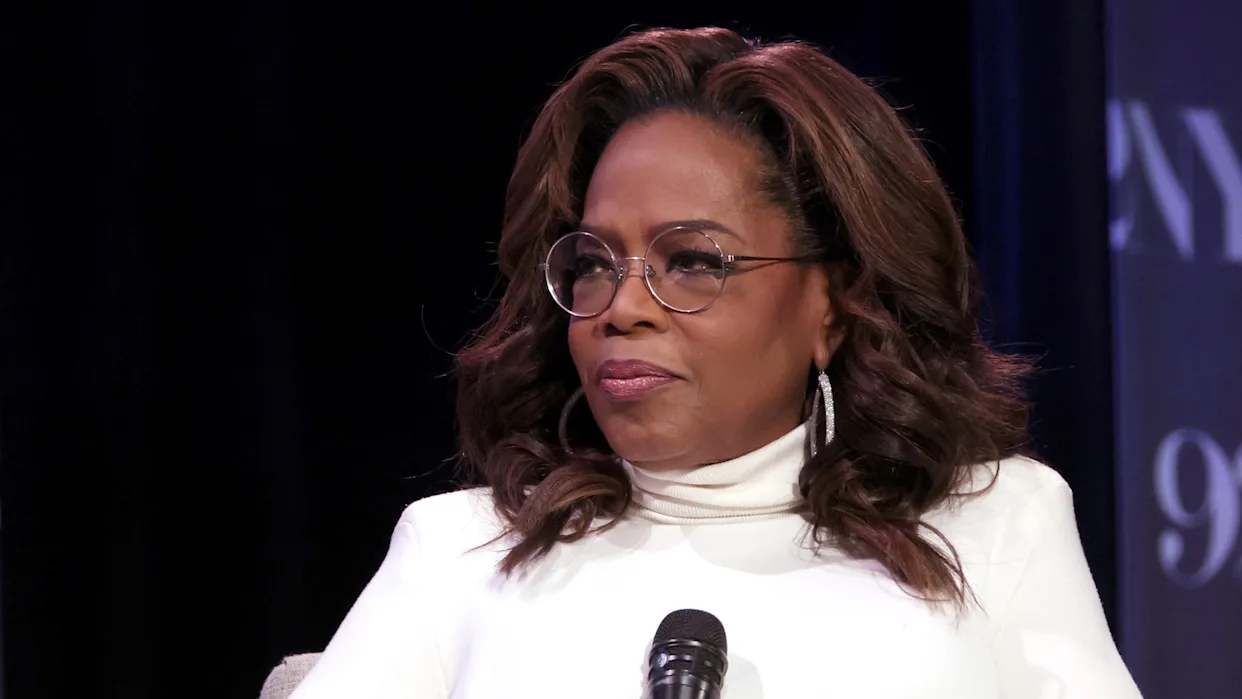
One topic that has resurfaced in these conversations is the controversy surrounding the Oprah Winfrey Leadership Academy for Girls in South Africa—a school founded by media icon Oprah Winfrey.
The issue blends verified historical events, unresolved questions, and a wave of online speculation that has grown far beyond the original facts.
Understanding what actually happened requires separating documented events from interpretations and rumors that later developed online.
The Vision Behind Oprah’s South African Academy
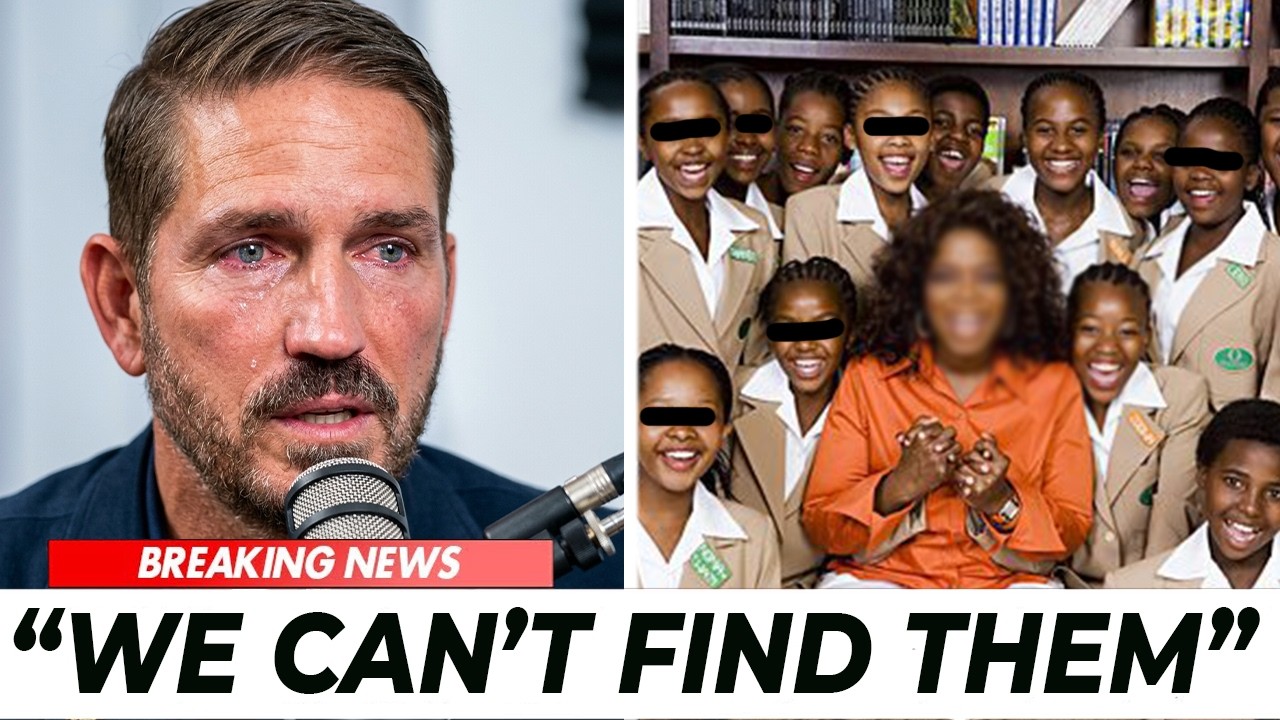
In 2007, Oprah Winfrey launched the Oprah Winfrey Leadership Academy for Girls (OWLAG) near Johannesburg in South Africa. The project was inspired in part by conversations with anti-apartheid leader Nelson Mandela about investing in education for disadvantaged girls.
Winfrey personally funded the academy with roughly $40 million. The campus included classrooms, dormitories, and facilities designed to provide opportunities for academically talented girls from low-income backgrounds.
At its opening, the school was widely celebrated as a major philanthropic effort aimed at producing future leaders.
But within months, that optimistic narrative was disrupted.
The Abuse Scandal That Shocked the School
Shortly after the academy opened, allegations surfaced against a dormitory employee, Virginia Makopo. Several students accused her of abusive behavior and inappropriate conduct.
The accusations triggered a criminal investigation that brought international attention to the school. Winfrey herself traveled to South Africa to meet students and publicly apologized for what had happened, saying she was “deeply sorry” that the girls had experienced harm within an institution meant to protect them.
The case eventually went to trial.
In 2010, the court acquitted Makopo due to inconsistent testimony and insufficient evidence to secure a conviction. Although the legal process ended, the controversy left lasting questions about oversight and student protection.
Why the Story Continues to Resurface
More than a decade later, the academy case continues to appear in public conversations for several reasons:
1. The emotional weight of the allegations
Abuse accusations involving children naturally attract intense attention and public concern.
2. Oprah Winfrey’s global influence
Because Winfrey is one of the most powerful media figures in the world, any controversy involving her philanthropy receives widespread scrutiny.
3. The rise of online speculation
In the social media era, past events are often reinterpreted through new narratives that mix documented facts with assumptions.
This environment allows older stories to resurface repeatedly—often with new interpretations attached.
Jim Caviezel’s Role in the Conversation
During interviews connected to the 2023 film Sound of Freedom, Caviezel discussed global child trafficking and referenced cases where institutions allegedly failed to protect children.
His comments about the South African academy were framed within a broader argument: that powerful institutions sometimes fail to deliver justice when abuse allegations emerge.
Supporters of Caviezel view his comments as an attempt to highlight systemic problems. Critics argue that his statements sometimes blur the line between documented issues and broader conspiratorial claims.
The debate illustrates how celebrity voices can shape public narratives about sensitive topics.
Separating Facts From Internet Narratives
Several verified facts exist regarding the academy controversy:
-
Abuse allegations were reported by students.
-
A dormitory employee was arrested and tried in court.
-
The trial ended in acquittal.
-
Oprah Winfrey publicly apologized and implemented new oversight measures at the school.
However, many of the more dramatic claims circulating online—such as allegations of missing students or secret trafficking networks connected to the academy—have not been supported by credible evidence or confirmed investigations.
These claims often spread through social media posts, podcasts, or commentary channels rather than verified reporting.
The Broader Issue: Protecting Students in Residential Schools
The OWLAG controversy also highlights a larger global issue: safeguarding students in boarding schools and residential education programs.
Institutions that house minors carry significant responsibility. Even well-funded schools with strong reputations must maintain strict oversight systems to ensure student safety.
Across many countries, abuse scandals at residential schools have prompted reforms such as:
-
stronger background checks for staff
-
independent reporting channels for students
-
regular oversight by external child-protection authorities
These measures aim to prevent situations where students feel isolated or unable to report abuse.
Oprah Winfrey’s Response Over the Years
Winfrey has addressed the incident publicly multiple times. In interviews following the scandal, she said the situation was “one of the most devastating experiences” of her life.
The academy remained open and continued operating with additional safeguards and staff oversight. Graduates from the school have gone on to attend universities around the world.
For Winfrey, the project remains a major part of her philanthropic legacy, though the early scandal remains an unavoidable chapter in its history.
Why the Debate Still Matters
The ongoing discussion around the academy reveals how stories evolve once they enter the modern digital media ecosystem.
A real event—a school scandal, a trial, and unresolved emotional impact—became the foundation for broader narratives involving celebrity influence, institutional trust, and conspiracy theories.
For many observers, the key lesson is the importance of transparency and accountability in institutions that serve vulnerable populations.
Regardless of public speculation, the well-being of students must remain the central focus.
The Bottom Line
The controversy surrounding Oprah Winfrey’s Leadership Academy for Girls began with genuine allegations that deserved serious attention. A legal process followed, but its outcome left some questions and emotions unresolved.
Years later, the story continues to circulate—sometimes as a legitimate discussion about institutional accountability, and sometimes as part of far broader and less substantiated narratives.
Understanding the difference between verified history and internet speculation is essential when evaluating claims involving public figures, powerful institutions, and issues as serious as child safety.