Few scandals in modern history have generated as much public fascination, anger, and speculation as the case of Jeffrey Epstein. Years after his arrest and death, questions about his connections to powerful figures continue to surface across podcasts, documentaries, and investigative reporting.
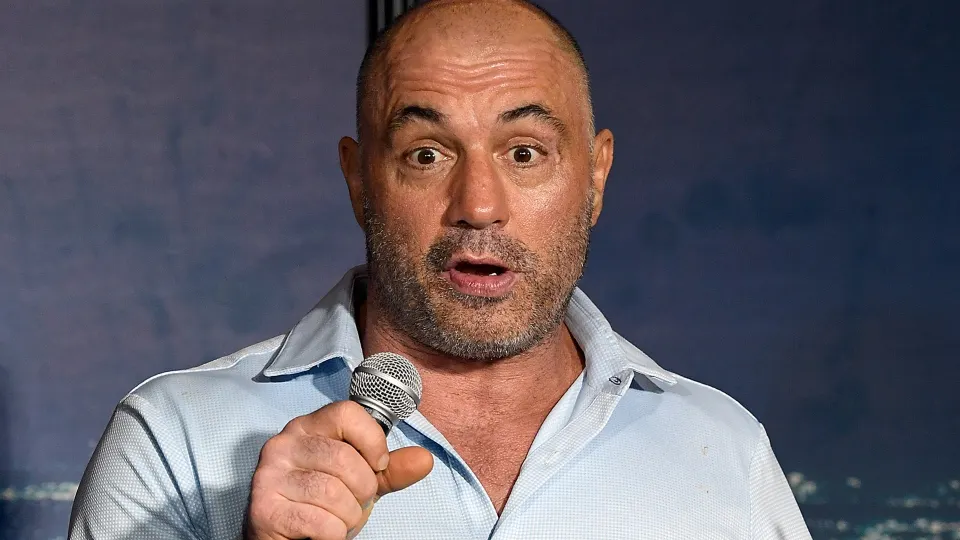
Among the voices amplifying those questions is Joe Rogan, whose hugely popular show often dives into controversial topics. In recent discussions, Rogan has suggested that the story surrounding Epstein is far from finished—and that the public still doesn’t know the full extent of the network that once surrounded him.
While these claims spark intense debate online, they also reflect a broader reality: the Epstein case remains one of the most complex and unresolved scandals involving wealth, power, and influence.

The Epstein Scandal: A Brief Background
Before the speculation and theories, there is an established record.
Epstein, a financier with deep connections in politics, business, and academia, was arrested in 2019 on federal charges related to sex trafficking of minors. He had already served a controversial plea deal in 2008 that allowed him to avoid more severe penalties.
Just weeks after his arrest, Epstein died in jail, a death officially ruled a suicide. That event triggered widespread skepticism and fueled countless theories about whether powerful individuals connected to him had something to hide.
What is certain is that Epstein maintained relationships with an unusually wide circle of influential figures across industries and countries.
Why the Flight Logs Drew So Much Attention
One of the most widely discussed pieces of evidence in the case is the set of flight logs from Epstein’s private jet—sometimes referred to in media reports as the “Lolita Express.”
The logs showed that numerous prominent individuals traveled on the aircraft at various times. Among those whose names appeared in public records were:
-
Bill Clinton
-
Kevin Spacey
-
Chris Tucker
Some trips included humanitarian travel to Africa in the early 2000s. Importantly, appearing in a flight log does not establish involvement in any wrongdoing, and several individuals—including Tucker—have publicly stated they were unaware of Epstein’s criminal behavior at the time.
Nonetheless, the existence of these records intensified public curiosity about who exactly moved within Epstein’s social circle.

The Island That Became a Symbol
Much of the scandal’s mythology centers around Epstein’s private Caribbean property, Little Saint James.
Often referred to in media coverage as “Epstein Island,” the location became emblematic of secrecy and privilege. Witness testimony and investigative reporting described it as a hub where Epstein hosted guests from politics, finance, and entertainment.
Because many events on the island were private and poorly documented, speculation about what happened there continues to circulate widely online.
Rogan’s Role in the Conversation
Rogan’s podcast frequently explores controversial topics that mainstream outlets sometimes approach cautiously. When discussing Epstein, Rogan has argued that the public still lacks transparency about the broader network around him.
On his show, he has raised several recurring questions:
-
Why were some investigations limited in scope?
-
Why are portions of court documents and witness testimonies still redacted?
-
Did Epstein operate alone, or was he part of a larger system of influence?
These questions resonate with audiences because they touch on a deeper public distrust of institutions and elite power structures.
However, it’s important to separate speculation from verified evidence. Many of Rogan’s discussions involve theories and commentary rather than confirmed findings.

The Role of Survivors and Whistleblowers
The Epstein story might have remained largely hidden if not for survivors who came forward publicly.
One of the most prominent voices has been Virginia Giuffre. Her testimony helped bring renewed scrutiny to Epstein’s network and led to legal action involving high-profile individuals, including Prince Andrew.
In 2022, Prince Andrew reached a civil settlement with Giuffre while denying the allegations against him. The case became one of the most widely covered episodes connected to the broader Epstein scandal.
Survivors’ accounts have been central to understanding how Epstein’s operation allegedly recruited and controlled victims.
Why the Case Still Feels Unfinished
Even after multiple investigations and court cases, many observers believe the Epstein story remains incomplete.
Several factors contribute to that perception:
1. Sealed or redacted records
Large portions of court filings remain sealed or partially redacted, fueling speculation about what they might contain.
2. Epstein’s death before trial
Because Epstein died before facing a full federal trial, many questions about his activities were never examined in court.
3. The scale of his social network
Epstein maintained relationships with figures across finance, academia, politics, and entertainment, making it difficult to map the full extent of those connections.
Separating Evidence From Online Narratives
The Epstein case has also become fertile ground for conspiracy theories and misinformation.
While some suspicions are rooted in genuine unanswered questions, others circulate without evidence. For example, lists of alleged “clients” frequently appear online but often rely on speculation rather than verified documentation.
Responsible analysis of the case requires distinguishing between:
-
Confirmed legal findings
-
Documented associations
-
Unproven claims and internet speculation
Without that distinction, discussions can quickly drift away from facts.
The Larger Issue: Power and Accountability
Beyond individual names or rumors, the Epstein case raises a deeper societal question: how accountable are powerful individuals when they move within elite circles?
Scandals involving wealth and influence often reveal systemic problems, including:
-
preferential treatment within legal systems
-
social networks that shield misconduct
-
the difficulty victims face when accusing powerful people
These dynamics help explain why the case continues to attract attention years after Epstein’s death.
Why the Public Keeps Watching
Even today, journalists, investigators, and commentators continue to examine documents and testimony linked to Epstein.
Part of the fascination lies in the intersection of celebrity, politics, and crime. Another part reflects a widespread desire for transparency when powerful institutions are involved.
Whether new revelations eventually emerge or the remaining mysteries persist, the Epstein scandal has already left a lasting impact on public conversations about influence, secrecy, and justice.
And as commentators like Joe Rogan keep the topic in the spotlight, the debate about what really happened—and who knew what—shows little sign of fading anytime soon.