Alleged remarks from rapper Nicki Minaj about the dynamics between financial independence and romantic expectations have ignited a widespread discussion across social media platforms. The comments, which examine how women of different economic circumstances view men who struggle financially, have struck a nerve among fans and critics alike. While the statements have not been tied to a particular interview or formal release, they have nevertheless become a flashpoint in ongoing cultural conversations about gender roles, money, dating, and accountability. As reactions continue to spread, many observers note that the debate underscores familiar tensions that resurface whenever issues of wealth and relationships collide.
According to widely circulated posts, Minaj allegedly stated that “women who have their own money hardly hate on broke men. They don’t care about how much money a man has. They just want to be loved the right way.” The sentiment reflects a belief that financially independent women prioritize emotional connection, consistency, and respect over a partner’s income. The idea has resonated strongly with many online, especially among women who say they have felt unfairly criticized for their standards in relationships. Supporters argue that the point Minaj allegedly raised highlights a deeper truth — that independence often brings clarity about what matters most in a partnership.
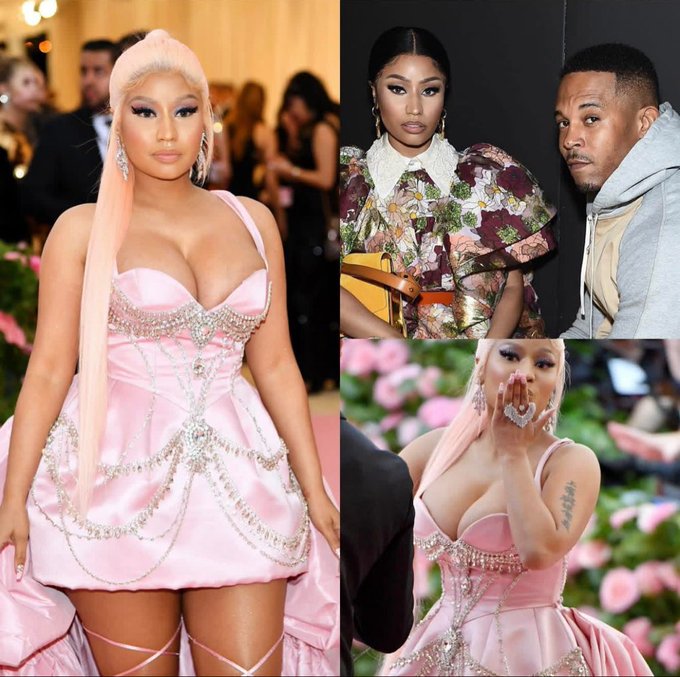
But it was the second half of the alleged statement that sparked the most conversation. Minaj reportedly added, “But you see broke women? They don’t like broke men at all. They hardly accept that they are broke; instead, they blame it on the people they are dating.” This comment, blunt and provocative, quickly became the center of the debate. Critics labeled the sentiment as harsh, class-based, or overly generalized, while others insisted it reflected patterns they had witnessed firsthand. The idea that financially struggling women might project frustration onto their partners — or deflect accountability — became a contentious topic, generating thousands of comments dissecting the social, emotional, and economic layers behind the claim.
The conversation also invited broader reflections on how financial insecurity influences expectations in romantic relationships. Many users argued that people under financial pressure — especially those without stable support systems — may experience heightened emotional stress, leading to conflict, resentment, and unmet expectations. Others countered that the issue is less about blame and more about societal pressures placed on both men and women regarding traditional provider roles. Some supporters of Minaj’s alleged comments said that when both partners are struggling financially, tensions can escalate quickly, and accountability becomes more difficult to navigate.
Despite the division, one aspect of the alleged comments gained near-universal agreement: the claim that wealthy women rarely criticize men simply for lacking money. Observers pointed out that financial independence tends to give women more freedom in choosing partners based on emotional compatibility rather than economic necessity. Several commenters emphasized that women who have built their own stability often seek loyalty, emotional availability, and genuine affection rather than financial contribution. As one social media user noted, “When you’re not depending on a man to survive, you can finally look at who he is — not what he can provide.”
However, critics of the alleged remarks argued that the conversation oversimplifies complex social realities. They pointed out that financial inequality can strain relationships regardless of gender, and that economic hardship often amplifies systemic issues rather than individual flaws. Others said that generalizing “broke women” ignores the larger structural challenges that contribute to financial instability, such as wage inequality, job insecurity, education costs, and caregiving responsibilities. These users argued that placing blame solely on individuals risks overlooking broader economic patterns that disproportionately affect certain groups.
Still, the viral nature of the discussion reflects Minaj’s longstanding influence in shaping cultural conversations — even when the comments are unverified. Throughout her career, the rapper has earned a reputation for being brutally direct, unfiltered, and unapologetically opinionated. Supporters often praise her for voicing uncomfortable truths, while critics accuse her of oversimplification or insensitivity. Regardless of the stance, the reaction showcases how her name alone has the power to ignite intense public discourse.
As the debate continues to circulate online, many social media users have framed the alleged comments as an opportunity for self-reflection. Numerous posts highlight the importance of emotional accountability, financial responsibility, and realistic expectations within relationships. Others note that the conversation exposes enduring double standards around gender and money — particularly the idea that men are judged more harshly for financial shortcomings, while women are scrutinized for their preferences in partners. The discussion has also led some users to question how much of modern dating is shaped by identity, insecurity, and economic pressure rather than genuine connection.
What remains consistent across platforms is the intensity of the response. Supporters say the alleged remarks expose patterns people recognize but rarely articulate. Critics argue the comments place undue blame on women facing economic challenges. And many simply view the controversy as another example of how celebrity statements — confirmed or not — can open the floodgates to deep-seated societal frustrations. As the conversation evolves, it reflects the broader cultural tensions around income, dating, independence, and the expectations placed on both men and women in modern relationships.
For now, the viral debate sparked by Nicki Minaj’s alleged comments demonstrates how discussions about money and love continue to strike at the heart of public emotion. Whether seen as harsh, honest, exaggerated, or overdue, the reaction shows that conversations about financial roles in relationships remain as heated — and as unresolved — as ever. In a digital landscape shaped by opinions, projections, and personal experiences, one thing is evident: when it comes to love and money, people are still far from reaching a consensus.