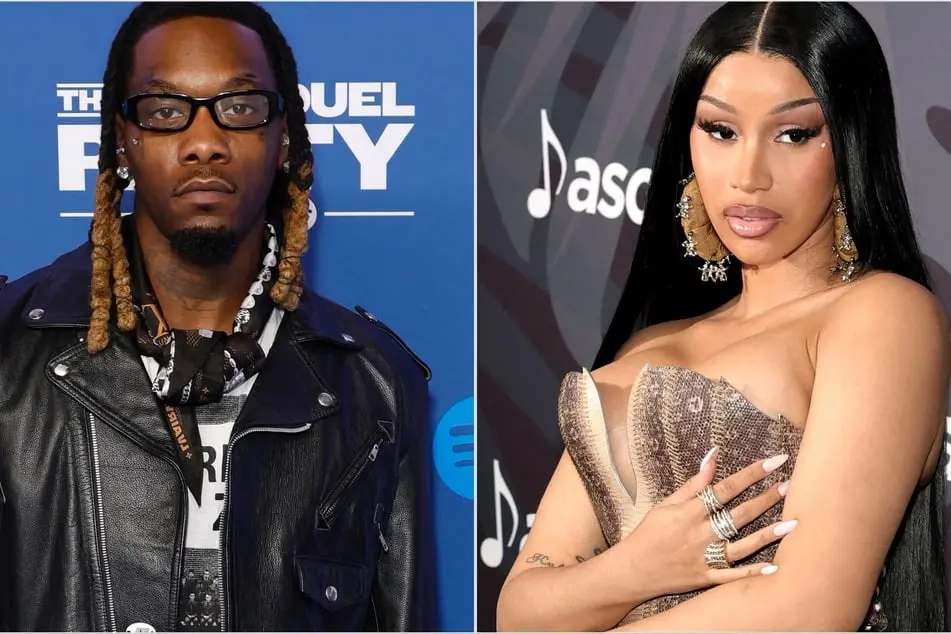
Reports circulating in entertainment media suggest that Offset has rejected a proposed $10 million divorce settlement from Cardi B, instead allegedly seeking 50% of her total earnings. According to unnamed sources, he claims he played a pivotal role in helping build her brand and therefore deserves a significant share of the fortune tied to her success. Cardi B’s team, on the other hand, is reportedly preparing evidence to demonstrate that she built her career and business empire independently. If accurate, the situation points to a potentially high-stakes legal and financial battle between two of the most recognizable figures in modern hip-hop.
Divorce proceedings involving celebrities are rarely simple, but when both parties are global stars with multimillion-dollar careers, the stakes increase dramatically. In this case, the reported disagreement is not merely about a one-time settlement figure. Instead, it appears to center on a broader debate: who contributed what to the rise of a cultural phenomenon? At the heart of the dispute lies a deeper issue of recognition, influence, and ownership of a brand that extends far beyond music.
Cardi B’s career trajectory has often been described as one of the most meteoric in recent memory. Rising from social media fame to reality television and then to chart-topping music success, she transformed herself into a powerhouse artist and entrepreneur. Multiple hit singles, high-profile collaborations, endorsement deals, fashion partnerships, and business ventures have solidified her status as not only a rapper but a brand in her own right. Her bold personality, unapologetic authenticity, and strong connection with fans have been central to her appeal.
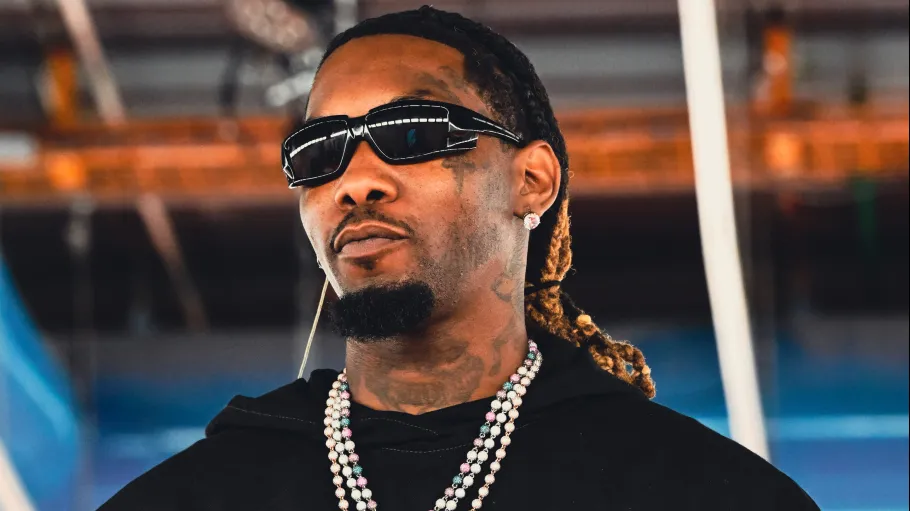
Offset, best known as a member of the influential hip-hop trio Migos, was already an established figure in the rap world before and during their relationship. As a successful recording artist with platinum records and major tours under his belt, he brought his own industry experience, network, and visibility into the marriage. Supporters of his reported claim may argue that partnerships in the entertainment world often involve strategic collaborations, shared connections, and mutual promotion. Being part of a high-profile couple can amplify public attention, open doors, and shape public narratives.
According to the alleged source cited in reports, Offset “feels used,” suggesting that he believes his contributions to the relationship and brand were not fully valued. Such a sentiment, if true, underscores how personal and emotional factors often intertwine with financial disagreements. Divorce is rarely purely transactional; it is often charged with feelings of resentment, pride, and the desire for validation. When public reputations are involved, those emotions can become even more intense.
Meanwhile, Cardi B’s team is reportedly preparing to present documentation to demonstrate that her empire was built through her own initiative and talent. This could include contracts, business agreements, financial records, and evidence of independent decision-making in brand partnerships and career moves. In high-profile divorce cases, especially those involving substantial assets, establishing clear timelines and contributions can be crucial. Courts often examine whether wealth was accumulated before or during the marriage and whether both parties directly contributed to its growth.
If Offset is indeed seeking 50% of her total earnings, the legal argument may hinge on marital property laws and the specific financial arrangements the couple had in place. Much depends on whether there was a prenuptial agreement, how assets were structured, and which state has jurisdiction over the case. Some states follow community property laws, while others apply equitable distribution principles. Each framework can lead to very different outcomes.
Beyond the courtroom implications, the situation highlights broader conversations about partnership and success. In creative industries, success is rarely achieved in isolation. Artists often rely on managers, collaborators, producers, stylists, marketing teams, and family members for support. However, distinguishing between emotional support and legally recognized financial contribution can be complex. Does visibility from being in a power couple count as brand building? Does shared influence translate into shared ownership? These are questions that may arise in both legal and public discussions.
The potential financial magnitude of the dispute cannot be overlooked. Cardi B’s earnings reportedly include music royalties, touring revenue, endorsement deals with major brands, fashion collaborations, and other entrepreneurial ventures. If 50% of her total earnings were at stake, the numbers involved could far exceed the initial $10 million settlement figure that was reportedly offered. This transforms the case from a standard celebrity divorce into what could become a landmark financial dispute in the entertainment industry.
Public reaction has been predictably divided. Fans of Cardi B argue that her rise was driven by her distinctive voice, personality, and relentless work ethic. They point to her early viral videos, her breakout single, and her solo achievements as evidence of an independently built empire. Others suggest that high-profile relationships inevitably shape public perception and commercial opportunities, making it difficult to entirely separate personal and professional dynamics.
Media coverage of such disputes often amplifies tensions, sometimes framing them as battles for dominance rather than legal processes seeking resolution. Headlines emphasizing conflict can generate clicks but may oversimplify complex legal realities. Behind the scenes, negotiations may still be ongoing, and settlements are often reached privately without dramatic courtroom showdowns.
For both artists, the stakes extend beyond money. Reputation, brand image, and fan loyalty are critical components of long-term success. A prolonged legal battle could draw attention away from music and business ventures, potentially affecting public perception. On the other hand, demonstrating strength and clarity in defending one’s contributions could reinforce an image of independence and resilience.
Ultimately, if these reports prove accurate, the dispute underscores how intertwined love, ambition, and business can become in celebrity relationships. When two powerful public figures build a life together, separating that life can require untangling contracts, assets, and narratives as much as emotions. Whether the matter is resolved through negotiation or litigation, it is likely to serve as a reminder that fame and fortune do not shield anyone from complicated personal and financial conflicts.
As the situation develops, observers will be watching closely to see how the claims unfold and what precedent, if any, might be set. In an industry where personal branding is inseparable from financial value, questions of contribution and ownership are more than symbolic—they are deeply consequential. Whatever the outcome, the reported dispute signals a high-stakes chapter in the lives of two artists whose careers have already shaped the modern hip-hop landscape.