For nearly two decades, Shia LaBeouf has been one of Hollywood’s most unpredictable figures. Rising from child actor to blockbuster star and later becoming a symbol of artistic rebellion, his career has followed a path that’s anything but conventional.
Recently, LaBeouf found himself back in public conversation after discussing deeply personal experiences related to fame, trauma, and his complicated relationship with the entertainment industry. His comments, paired with past legal troubles and controversial behavior, have sparked debate about celebrity accountability, mental health, and whether Hollywood supports—or breaks—the people inside it.
This story isn’t just about a single actor. It touches on the broader question of what happens when fame collides with personal struggles under the relentless spotlight of modern media.
From Child Star to Global Fame
LaBeouf first captured audiences as a teenager on the Disney Channel series Even Stevens. His energetic performance earned him an Emmy Award and quickly positioned him as one of the network’s breakout talents.
Hollywood soon took notice. Within a few years, he moved from family television to major studio films. His career exploded when he joined the blockbuster franchise Transformers directed by Michael Bay. The films turned him into an international star almost overnight.
But massive fame at a young age can bring pressures that few people are prepared to handle.
As LaBeouf later explained in interviews, the transition from child actor to global celebrity happened so quickly that he never fully processed the experience. Constant media attention, high expectations from studios, and the pressure to deliver box office success created a relentless environment.

The Pressure Cooker of Celebrity Life
Fame often appears glamorous from the outside. Red carpets, award shows, and blockbuster paychecks can give the impression of a charmed life.
Behind the scenes, however, celebrity culture can function like a pressure cooker.
Actors face intense scrutiny from studios, agents, fans, and media outlets. Every decision—professional or personal—can become a headline. For someone like LaBeouf, whose personality has always leaned toward artistic experimentation and unpredictability, that scrutiny intensified over time.
He has described feeling constantly watched and judged, even during ordinary moments. For celebrities, everyday mistakes can escalate into international news stories within hours.
The psychological toll of living this way is becoming a more common topic of discussion in the entertainment world.

Controversies and Legal Trouble
LaBeouf’s career has also been marked by several legal incidents and public controversies. Over the years, he has faced arrests related to disorderly conduct, altercations in public places, and confrontations with law enforcement.
One particularly widely reported incident occurred during the celebrations of Mardi Gras in New Orleans, where a bar fight allegedly led to multiple battery charges. Incidents like this fueled criticism that the actor’s behavior had become increasingly erratic.
Critics argue that celebrities should face the same legal accountability as anyone else. Supporters, however, sometimes point to the unusual pressures of fame and question whether public figures receive disproportionate scrutiny.
Regardless of perspective, these events significantly affected LaBeouf’s reputation and career trajectory.
Speaking About Trauma and Personal Struggles
In recent interviews, LaBeouf has opened up about deeper issues that he believes shaped many of his actions.
He has spoken about personal trauma, including experiences that left him uncomfortable with physical contact and contributed to feelings of anxiety and distrust. According to the actor, these unresolved experiences influenced both his behavior and his relationships within the entertainment industry.
Such revelations have added complexity to public perception of LaBeouf.
Some viewers see a troubled artist confronting past trauma. Others believe accountability must remain central, regardless of personal history.
The conversation reflects a broader cultural shift toward discussing mental health, trauma, and boundaries—topics that were rarely addressed publicly in Hollywood just a decade ago.
The Question of Hollywood’s “Machine”
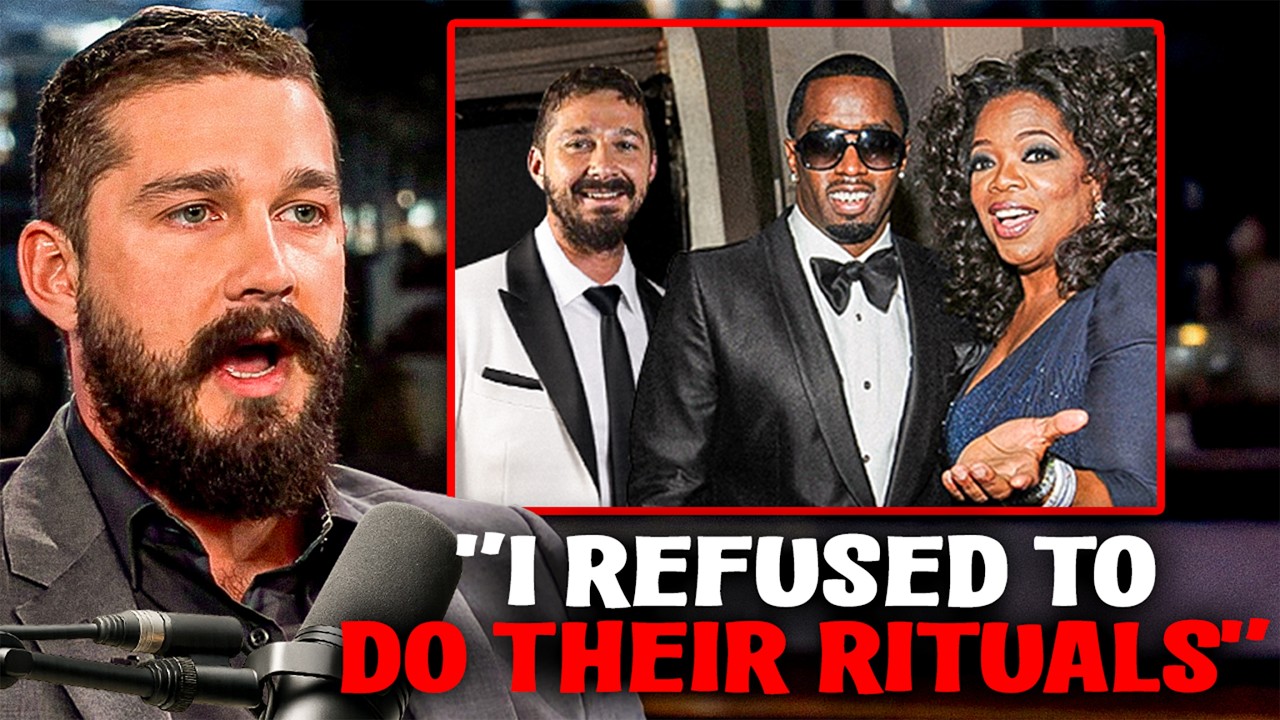
LaBeouf has also criticized what he describes as Hollywood’s “machine”—the powerful network of studios, producers, publicists, and media outlets that can shape an actor’s career.
According to him, the industry rewards those who conform to its expectations and can become hostile toward figures who resist or speak out.
Whether or not one agrees with his interpretation, it’s true that Hollywood has long been criticized for its rigid power structures. The film business relies heavily on reputation and trust. When controversies arise, studios sometimes distance themselves quickly to protect multimillion-dollar productions.
For actors already struggling with personal issues, that distance can make a comeback significantly harder.
Searching for Meaning Beyond the Spotlight
In recent years, LaBeouf has explored spirituality as part of his personal transformation. Reports have linked him with periods of reflection in religious settings, including time spent around monastic communities.
The actor has described these experiences as grounding—offering an environment far removed from Hollywood’s high-speed, high-stakes atmosphere.
For some performers, stepping away from the spotlight becomes necessary for rebuilding stability and perspective. Hollywood history is full of actors who temporarily left the industry to focus on recovery, personal growth, or simply rediscovering normal life.
Public Reaction: Divided but Fascinated
Public response to LaBeouf’s story remains deeply divided.
Some fans admire his willingness to speak openly about vulnerability and trauma, especially in an industry where image management often discourages honesty. Others argue that personal struggles should not excuse harmful behavior.
Social media has amplified these debates, turning celebrity narratives into global discussions about accountability, mental health, and power dynamics.
What’s clear is that LaBeouf continues to provoke conversation—something he has done throughout his career.
The Bigger Conversation About Fame
LaBeouf’s experiences highlight a larger issue that extends far beyond one actor.
Fame can amplify every human trait—talent, creativity, insecurity, and impulsiveness. When success arrives quickly, especially at a young age, the psychological impact can be profound.
Today, more actors and musicians are publicly discussing therapy, trauma, addiction recovery, and burnout. These conversations suggest a gradual cultural shift in how the entertainment industry addresses mental health.
Hollywood may still be a powerful machine, but it is also beginning to face pressure to evolve.
A Story Still in Progress
Shia LaBeouf’s career has never followed a predictable path. From child star to blockbuster lead, from performance artist to controversial public figure, he has continually challenged expectations.
Whether he ultimately rebuilds his Hollywood standing or chooses a quieter path outside the spotlight remains uncertain.
What is certain, however, is that his story has become a lens through which audiences examine deeper issues—fame, trauma, accountability, and the human cost of living life in the public eye.
And like many Hollywood narratives, the next chapter has yet to be written.