
In the age of viral clips and high-stakes podcasts, it doesn’t take long for a conversation to transform into a cultural moment. A recent wave of content surrounding Sean “Diddy” Combs—amplified by discussions on platforms like The Joe Rogan Experience—is a clear example of how quickly narratives can escalate from speculation to something that feels like revelation.
But what’s actually happening here? And more importantly, how should it be understood?
This isn’t just a story about one individual. It’s about how modern audiences interpret power, secrecy, and influence in an industry that has always thrived on both visibility and illusion.
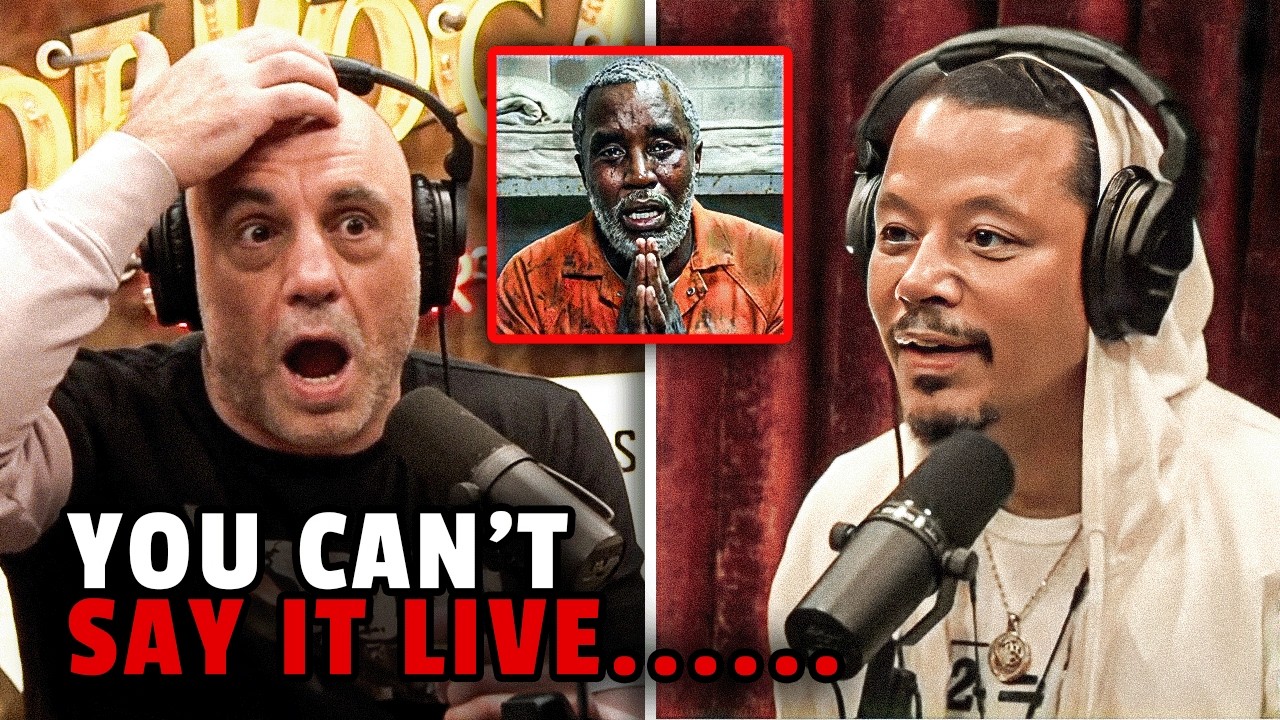
When Entertainment Becomes Investigation
Podcasts have evolved far beyond casual conversation. Shows like those hosted by Joe Rogan now function as hybrid spaces—part entertainment, part cultural analysis, and sometimes, part speculation engine.
When guests such as Andrew Schulz engage in discussions about industry power structures, the tone often shifts from humor to something more serious. Ideas are explored in real time, often without verification, but with enough conviction to resonate.
That’s where things become complicated.
Because in long-form, unscripted conversations, hypotheses can sound like conclusions, and stories can feel like evidence.
The “Middleman” Theory: Why It Appeals
One of the central ideas circulating in these discussions is the concept of a “middleman”—a powerful figure who doesn’t control the system, but facilitates it.
In this framing, Diddy is portrayed not simply as a music mogul, but as someone operating within a larger, unseen structure.
Why does this idea gain traction?
Because it offers a clean explanation for a messy reality.
-
It simplifies complex industries into understandable hierarchies
-
It assigns roles—controllers, enforcers, participants
-
It turns ambiguity into narrative clarity
But clarity is not the same as truth.
The entertainment industry is undeniably complex and often opaque. However, reducing it to a single hidden framework risks replacing nuance with mythology.
Silence, Interpretation, and the Danger of Assumptions
Another recurring theme is the interpretation of silence—particularly from high-profile figures like LeBron James or Ashton Kutcher.
In speculative narratives, silence is often framed as confirmation.
But in reality, silence can mean many things:
-
Legal caution
-
Irrelevance to the situation
-
Lack of verified information
-
Strategic avoidance of controversy
Assuming that silence equals guilt or knowledge is a leap—and one that frequently fuels misinformation cycles.
Testimony vs. Interpretation
Claims attributed to figures like Terrence Howard or Katt Williams are often presented as insider truth.
But there’s an important distinction to maintain:
-
Personal experience is not universal evidence
-
Allegations are not verified facts
-
Interpretation is not confirmation
The entertainment industry has long been criticized for exploitative practices—this is well-documented. Power imbalances, contractual control, and reputational consequences are real issues.
However, when discussions shift into claims of coordinated “rituals,” “sacrifices,” or highly structured coercion systems without verifiable proof, the conversation moves from critique into speculation.
Why These Stories Persist
Narratives like this don’t spread simply because they are shocking. They spread because they tap into deeper cultural instincts:
1. Distrust of Power
Audiences are increasingly skeptical of institutions—media, corporations, and celebrity culture.
2. Pattern-Seeking Behavior
Humans naturally connect dots, even when those connections are incomplete or coincidental.
3. Emotional Engagement
Stories involving secrecy, control, and hidden systems are inherently compelling.
4. Historical Precedent
Real scandals in entertainment history make it easier to believe that larger, hidden systems could exist.
This combination creates the perfect environment for high-engagement, low-verification narratives.
Clips titled with phrases like “left speechless” or “everything exposed” are designed for impact, not accuracy.
They compress long discussions into emotionally charged moments, often removing context. A pause becomes “shock.” A question becomes “confirmation.”
The result?
A version of the conversation that feels definitive—even when the original was exploratory.
Separating Structural Criticism from Conspiracy Thinking
It’s important not to dismiss everything outright. The entertainment industry does have:
-
Documented cases of exploitation
-
Unequal power dynamics
-
Opaque financial and contractual systems
These are legitimate areas of concern and deserve scrutiny.
But there’s a difference between:
-
Critiquing real systemic issues
-
Attributing them to unverified, all-encompassing conspiracies
Blurring that line weakens credible criticism and makes meaningful reform harder to achieve.
What Responsible Engagement Looks Like
For readers and viewers navigating these narratives, a few grounding principles can help:
-
Distinguish between claims and confirmed facts
-
Question emotionally charged framing
-
Avoid drawing conclusions from incomplete information
-
Recognize the difference between storytelling and reporting
Curiosity is valuable. But it should be paired with discernment.
The Bigger Picture
What’s unfolding isn’t just a story about Sean “Diddy” Combs or a podcast conversation.
It’s a case study in how modern narratives are built:
-
A high-profile name
-
A platform with massive reach
-
A mix of real concerns and speculative ideas
-
An audience ready to interpret, amplify, and evolve the story
In that environment, the line between investigation and imagination becomes increasingly thin.
Final Thought: Why This Matters
Stories like these don’t just shape opinions about individuals—they shape how people understand entire industries.
They influence trust.
They redefine credibility.
They determine what feels believable.
And once a narrative takes hold, it rarely disappears—it simply adapts.
That’s why the most important skill today isn’t just staying informed.
It’s learning how to evaluate what you’re being told—before deciding what to believe.