In the age of viral livestreams and rapidly spreading online narratives, stories involving powerful celebrities can evolve quickly—sometimes faster than facts can be verified. Recently, claims circulating online about a woman named Ally Carter and alleged health scandals involving celebrities tied to the orbit of convicted financier Jeffrey Epstein have reignited debate about accountability, rumor culture, and the complicated relationship between fame and speculation.
These claims—many amplified through social media and commentary channels—have drawn in high-profile names from across the entertainment world, including figures associated with music mogul Sean “Diddy” Combs. But understanding what is verified, what is alleged, and what remains internet speculation is essential before drawing conclusions.
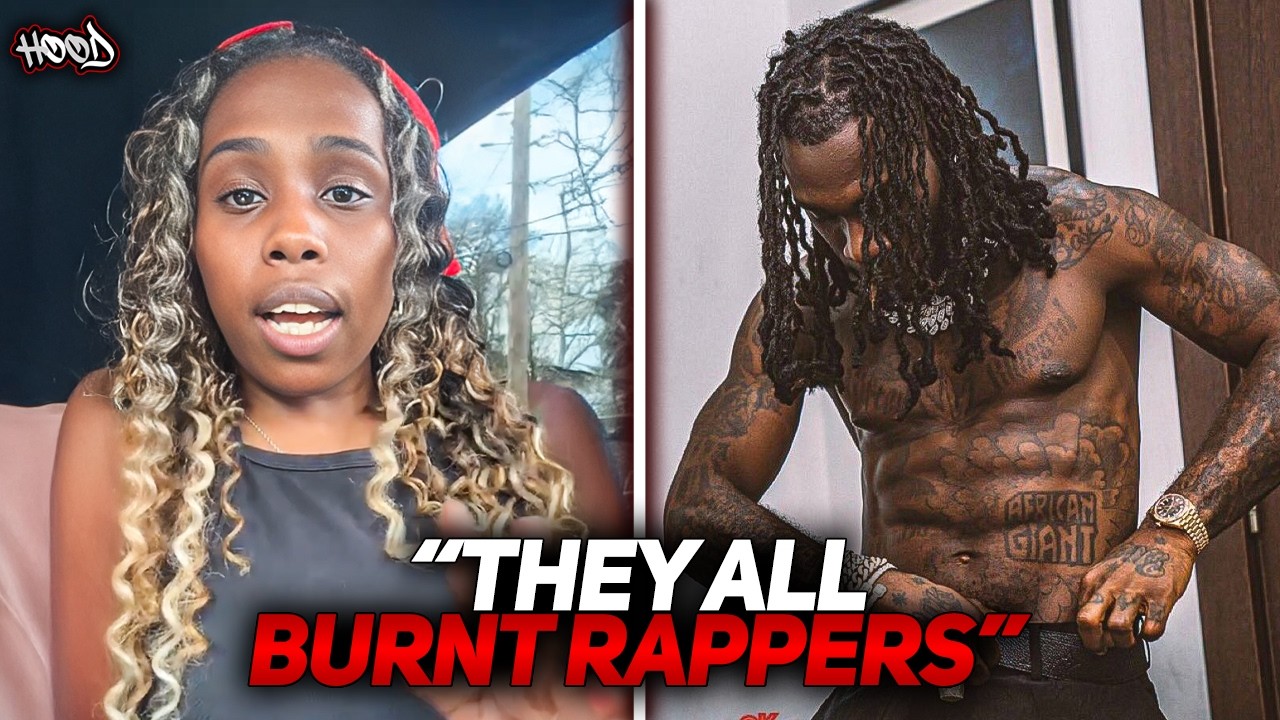
Over the past decade, social media has created a new type of public figure: the independent whistleblower or commentator who shares alleged insider stories directly with audiences.
Platforms such as YouTube, TikTok, and livestream apps allow individuals to describe personal experiences or claims about powerful networks without the gatekeeping of traditional media. When these stories involve famous names or controversial scandals, they can quickly gain millions of views.
However, this ecosystem creates a blurred line between testimony, rumor, and speculation. Viral narratives often mix:
-
personal experiences
-
second-hand stories
-
interpretations of public documents
-
unverified accusations
As a result, many widely shared claims circulate long before journalists or investigators can confirm them.
Why the Epstein Case Still Fuels Global Curiosity
The crimes of Jeffrey Epstein remain one of the most disturbing scandals in modern history. Epstein was convicted of sex trafficking and accused of operating a network that exploited vulnerable young women and minors while maintaining connections with wealthy and influential individuals.
Because Epstein moved within elite social circles—including politicians, business leaders, and celebrities—public interest remains intense whenever new documents or testimonies emerge.
Several factors keep the case in the spotlight:
-
Large volumes of sealed or partially redacted documents
-
Connections to wealthy or famous individuals
-
Lingering questions about who knew what and when
-
A perception that powerful figures might escape accountability
Even when new releases contain little direct evidence against specific celebrities, speculation often fills the gaps.

The Problem With Guilt by Association
One recurring pattern in online discussions is the assumption that anyone photographed with, invited by, or socially connected to Epstein must have participated in criminal activity.
In reality, the situation is more complicated.
Epstein cultivated relationships with thousands of people across business, politics, academia, and entertainment. Being present at the same event or appearing in photographs does not necessarily imply involvement in wrongdoing.
This dynamic has affected several public figures whose names frequently surface in internet discussions, including:
-
Usher
-
Denzel Washington
-
Steve Harvey
-
Will Smith
-
Naomi Campbell
In many cases, these individuals have either denied wrongdoing or were never accused in official investigations. Still, their names continue circulating in online theories simply because of perceived proximity to controversial figures.
Health Rumors and the Ethics of Speculation
Another controversial element of recent viral discussions involves claims about celebrities allegedly carrying sexually transmitted infections.
These accusations often spread without any verified medical evidence. Publishing or repeating such claims can be ethically and legally problematic because medical information is deeply private.
Health rumors also illustrate how quickly misinformation can escalate when audiences combine scandal narratives with speculation about personal lives.
For journalists and responsible commentators, the absence of credible documentation or confirmed reports means such allegations should be treated cautiously—or avoided entirely.
How Online Investigations Can Mislead
Internet communities frequently analyze leaked documents, flight logs, and archived emails connected to high-profile scandals. While citizen investigators can occasionally uncover meaningful insights, the process often leads to misunderstandings.
Common pitfalls include:
Misinterpreting Documents
Legal records and court filings can contain names of witnesses, victims, investigators, or unrelated contacts. Appearing in a document does not imply wrongdoing.
Reading Meaning Into Redactions
When names are hidden in documents, speculation often fills the void—even though redactions can exist for privacy or legal reasons unrelated to guilt.
Once a theory gains traction, it spreads rapidly across platforms. Repetition can create the illusion that a claim is confirmed when it is actually unverified.
The Entertainment Industry’s Culture of Secrecy
Even though many viral allegations remain unproven, the entertainment industry does have a long history of secrecy. Powerful studios, record labels, and management teams have often used legal agreements, public relations strategies, and non-disclosure contracts to manage reputational crises.
This culture of image control can make the public suspicious whenever scandals surface. People naturally wonder what might still be hidden behind contracts and closed doors.
That skepticism fuels ongoing curiosity about elite social circles in Hollywood and the music industry.
Separating Fact From Narrative
When stories about powerful figures emerge online, readers can protect themselves from misinformation by asking a few critical questions:
-
Is there documented evidence from credible sources?
-
Have investigators or courts confirmed the claim?
-
Are multiple independent outlets reporting the same information?
-
Is the story relying mainly on interpretation or speculation?
These questions help distinguish verified reporting from viral rumor.
The Continuing Search for Accountability
The legacy of Jeffrey Epstein ensures that scrutiny of elite social networks will not disappear anytime soon. Survivors of abuse have fought for years to bring attention to the structures that enabled exploitation, and many people believe more transparency is still needed.
At the same time, the public conversation around these issues must balance two important principles:
-
Holding powerful individuals accountable when evidence exists
-
Avoiding the spread of unverified accusations
Both are essential if the goal is genuine justice rather than viral spectacle.
Why These Stories Keep Returning
Stories about hidden scandals among the rich and famous resonate deeply because they challenge the image of glamour that celebrity culture projects. When whispers of misconduct appear, they reveal the tension between the polished world of fame and the messy realities that can exist behind it.
Whether discussing leaked documents, internet whistleblowers, or celebrity rumors, one truth remains constant: in the digital era, every claim can become global news overnight.
But the real challenge is not hearing the story—it is determining which parts of it are actually true.