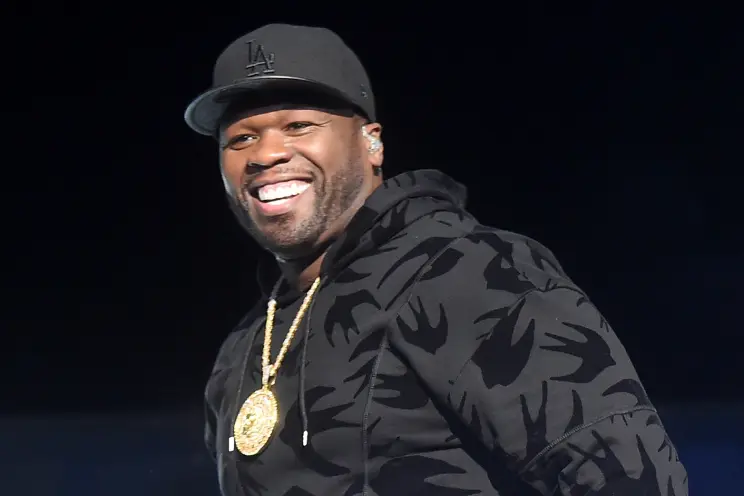
In the ruthless ecosystem of hip-hop, survival is usually measured in album sales or street credibility. But for Curtis “50 Cent” Jackson, the currency has always been something far more volatile: information. As we step into 2026, the landscape of the music industry has shifted beneath our feet, and the man holding the shovel—and the camera—is the kid from Queens who was once blacklisted by the very powers he now terrorizes.

The release of his latest project, a chart-topping Netflix documentary series, marks the terrifying evolution of 50 Cent. He is no longer just a rapper with a grudge; he is the CEO of an “Empire of Exposure,” a machine built to monetize the darkest secrets of the rich and famous.
The Netflix Nuke: A New Kind of Beef
In January 2026, 50 Cent dropped what can only be described as a cultural nuclear bomb. His multi-part documentary series debuted at number one, captivating the nation not with fiction, but with the brutal reality of a high-profile “subject”—strongly implied to be a fallen mogul facing the justice system. The documentary didn’t just retell the news; it broadcasted never-before-seen footage that the subject “clearly viewed as secret.”
We’re talking about private calls with lawyers, real-time reactions to lawsuits, and intimate moments captured inside the very rooms where the alleged crimes took place. The result? A public dissection of a legend. While the subject was acquitted of RICO charges, the documentary played a pivotal role in the court of public opinion, providing a backdrop to a conviction for prostitution crimes that resulted in a prison sentence.
This wasn’t a diss track. It was a dossier. And it proved that 50 Cent had graduated from street corner petty to corporate assassin.
The Evolution of the “Leak”
To understand this moment, we have to look back at the blueprint. 50 Cent didn’t invent the feud, but he industrialized it. In the early 2000s, after being shot nine times and dropped by Columbia Records, he realized that “controlled exposure” was his best weapon. He leaked his own tracks with fake barcodes to trick stores into stocking them. He understood that confusion and controversy generated cash.
Then, he turned the weapon outward. The destruction of Ja Rule wasn’t just about lyrics; it was an intelligence operation. 50 Cent dismantled Murder Inc. by exposing their contradictions and questioning their street credibility. Years later, he refined this tactic against Rick Ross. When he discovered Ross had worked as a correctional officer, 50 didn’t just rap about it; he launched a multimedia campaign, complete with cartoons and interviews with Ross’s baby mother. He crossed lines that were previously thought to be unbreakable.
But those were just skirmishes. The Netflix documentary represents the total war. By partnering with Emmy-winning directors and legal teams, 50 Cent has legitimized the “leak.” What used to be a grainy video on a blog is now premium streaming content, protected by the First Amendment and distributed to 200 million subscribers.
The “Archive” That Trapped the Industry
The most chilling revelation from 50 Cent’s rise is not his own genius, but the industry’s own stupidity. The documentary highlights a critical truth: Hip-hop has always been obsessed with documentation. Since the 90s, artists have filmed everything—studio sessions, parties, backstage brawls—believing they were preserving history.
They were actually building the evidence locker that 50 Cent would one day raid.
“The assumption of privacy that governed behavior in the pre-social media era has proven catastrophically wrong,” the analysis notes. Those camcorder tapes from 2003 didn’t disappear. They were digitized, stored in the cloud, or kept by people who held grudges. 50 Cent simply knew where to look. He built a network of sources—scorned lovers, unpaid interns, former friends—who were willing to hand over the goods.
As the article notes, “Someone is always recording. Someone always has something to hide. And someone always wants to see what’s hidden.” 50 Cent just figured out how to sell tickets to the show.
No One Is Safe
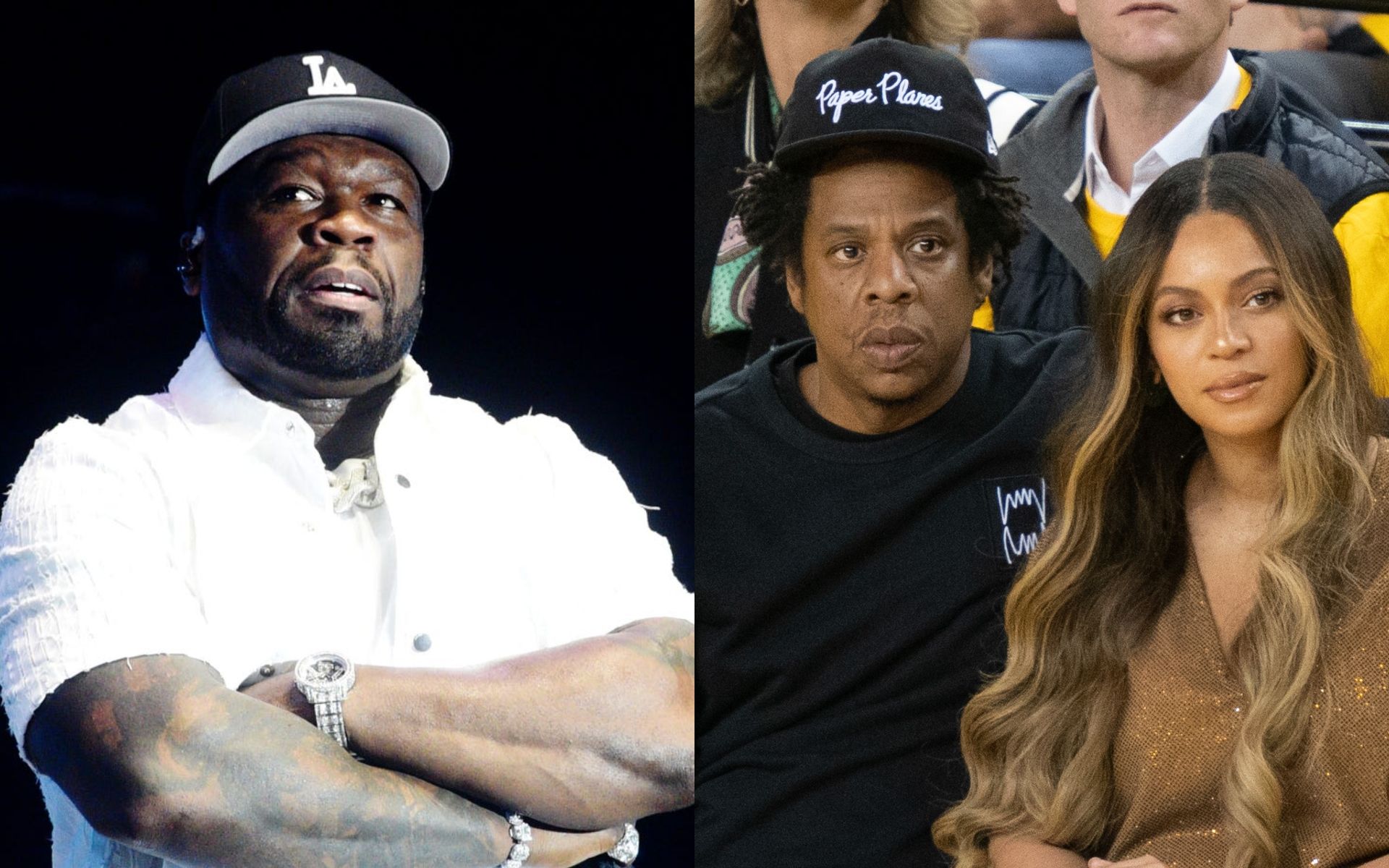
Today, 50 Cent operates with a level of impunity that is almost terrifying. He trolls T.I., mocks Jim Jones with AI-generated videos, and reignites feuds with a single Instagram post. Even his “peace” is strategic; he admits to hiring the sons of his enemies (like the scions of the BMF organization or others he’s clashed with) not out of charity, but because it complicates the narrative. It shows he is the puppet master, pulling strings that span generations.
The message to the rest of the industry—including titans like Jay-Z, whom 50 has consistently prodded and “disrespected” through the years—is clear: The statute of limitations on your secrets has expired. If a tape exists, 50 Cent will find it. If a story was buried, he will dig it up.
In the end, the “tragic fate” isn’t just for those he exposes; it’s for an entire era of celebrity that relied on silence. That silence is dead. And 50 Cent is dancing on its grave, one Netflix hit at a time.