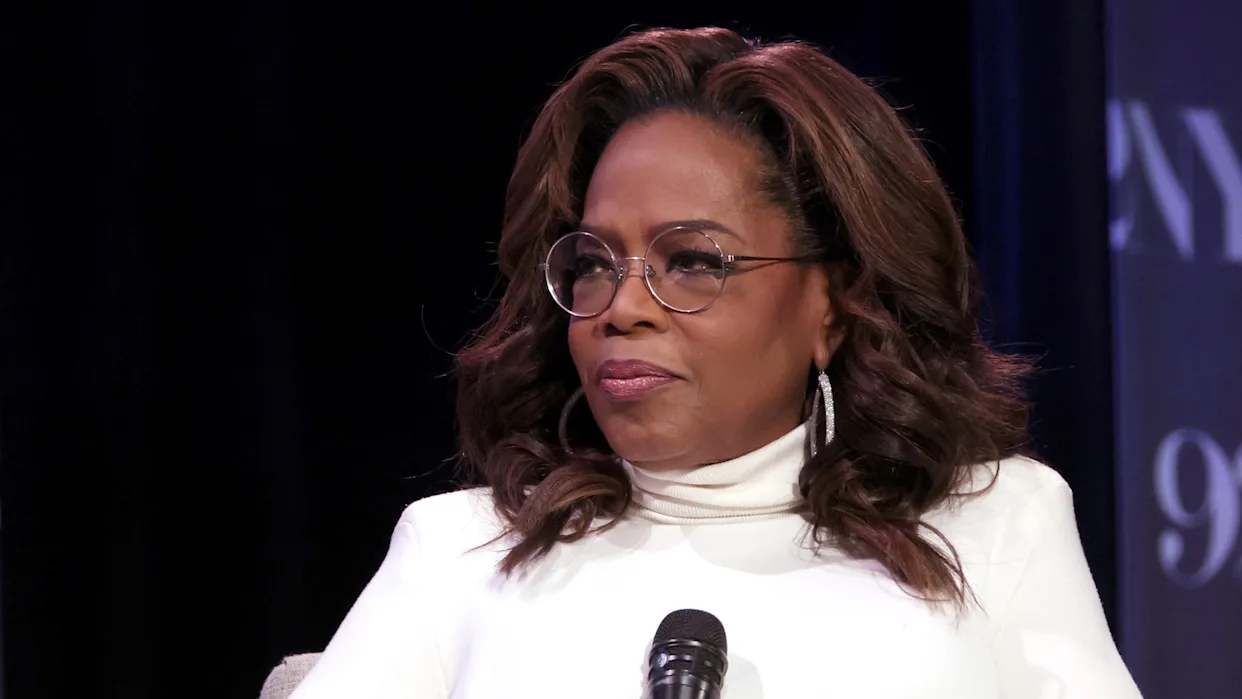
The entertainment industry’s glittering surface often conceals darker stories, and high-profile figures naturally become magnets for speculation. Among these, Oprah Winfrey—media mogul, philanthropist, and cultural icon—has been the subject of various claims linking her to some of Hollywood’s most infamous scandals, including the Jeffrey Epstein network, Harvey Weinstein’s abuses, and alleged misconduct within her Leadership Academy for Girls. While sensational narratives circulate widely online, a careful examination reveals a mixture of verified events, misunderstandings, and outright conspiracies.
This article separates fact from rumor, providing context for Oprah’s role, the broader patterns of abuse in Hollywood, and why misinformation can distract from genuine advocacy for survivors.
Hollywood’s Dark Underbelly: Real Issues, Real Survivors
The entertainment industry has a documented history of child abuse and exploitation, particularly involving child actors. Corey Feldman, a former child star, has been outspoken about his experiences and the protection of abusers by powerful insiders. Feldman’s advocacy highlights a systemic problem: the industry often prioritized reputation over safety, enabling predators to operate with minimal accountability.
However, Feldman has explicitly denied making any claims about Oprah Winfrey. Social media rumors suggesting she acted as an intermediary or “handler” for Epstein are not supported by any verified statements from him. His caution underscores a broader challenge: genuine whistleblowing can be overshadowed by sensationalized accusations that distort the narrative and undermine real survivors.
Oprah and Jeffrey Epstein: Separating Connection from Conspiracy
A recurring claim links Oprah to Jeffrey Epstein through her interview with Sarah Ferguson, the Duchess of York, who had financial ties to Epstein. While it is true Ferguson borrowed money from Epstein, there is no evidence that Oprah knowingly facilitated or concealed Epstein’s crimes. Interviews and court documents mentioning Oprah do not imply complicity—mere association or interaction with someone connected to Epstein is not proof of wrongdoing.
This is a critical distinction. Social media posts alleging that Oprah flew on Epstein’s private jet or maintained secret ties to him have been thoroughly debunked. Yet, such stories persist because they feed on the public’s fascination with secret power networks in Hollywood.
Oprah Winfrey Leadership Academy for Girls: Successes and Missteps
Opened in 2007 in South Africa, the Oprah Winfrey Leadership Academy for Girls aims to provide high-quality education to disadvantaged young women. Over the years, it has produced graduates who have gone on to achieve remarkable academic and professional success.
Yet, the school has faced challenges. In 2007, a dormitory matron was charged with abuse, leading Oprah to take immediate corrective action, apologize publicly, and remove staff members implicated in wrongdoing. Although the matron was later acquitted, the incident demonstrates the accountability measures implemented by the school. Claims of mass disappearances or secret tunnels, often tied to Epstein conspiracy theories, have no basis in fact. These false narratives distract from both the school’s achievements and the real work needed to protect students in vulnerable settings.

The Weinstein Connection and Media Friendships
Oprah’s friendship with Harvey Weinstein has been scrutinized, as photos and professional collaborations tie them together. While critics question whether proximity to powerful figures indicates complicity, evidence shows no proof that Oprah had knowledge of Weinstein’s abuses or facilitated them.
High-profile media personalities, including Oprah and Barbara Walters, have been criticized for protecting the reputations of industry elites or failing to fully interrogate allegations in public forums. This critique speaks more to the systemic pressures within media than to individual criminality.
How Misinformation Undermines Justice
Rumors about arrests, underground tunnels, or secret collaborations between celebrities and Epstein have been repeatedly debunked by journalists and fact-checkers. Yet they persist because conspiracy narratives are emotionally compelling, spread rapidly on social media, and often mix elements of truth with speculation.
This highlights an important lesson: real survivors, like Corey Feldman and countless others, deserve attention and credibility. Inflated or false claims can overshadow their voices, making it harder for society to address abuse effectively.
Looking Ahead: Accountability Without Sensationalism
Hollywood, like many industries, must confront its past abuses and protect the vulnerable. Media figures wield enormous influence, and with it comes responsibility. Separating verified facts from misinformation allows us to hold power accountable while supporting those who have been harmed.
Oprah Winfrey’s impact—through media, philanthropy, and education—remains significant. While she is a target for rumors and conspiracy theories, the evidence suggests her contributions outweigh the unsubstantiated claims. Evaluating allegations with nuance and skepticism not only clarifies the truth but ensures that real survivors are not overshadowed by sensationalized narratives.

In the end, the lesson is clear: the shadows of Hollywood are real, but they are not always where the rumors say they are. Understanding the difference between documented abuses, mistakes, and baseless conspiracy theories is essential for meaningful dialogue, accountability, and justice.