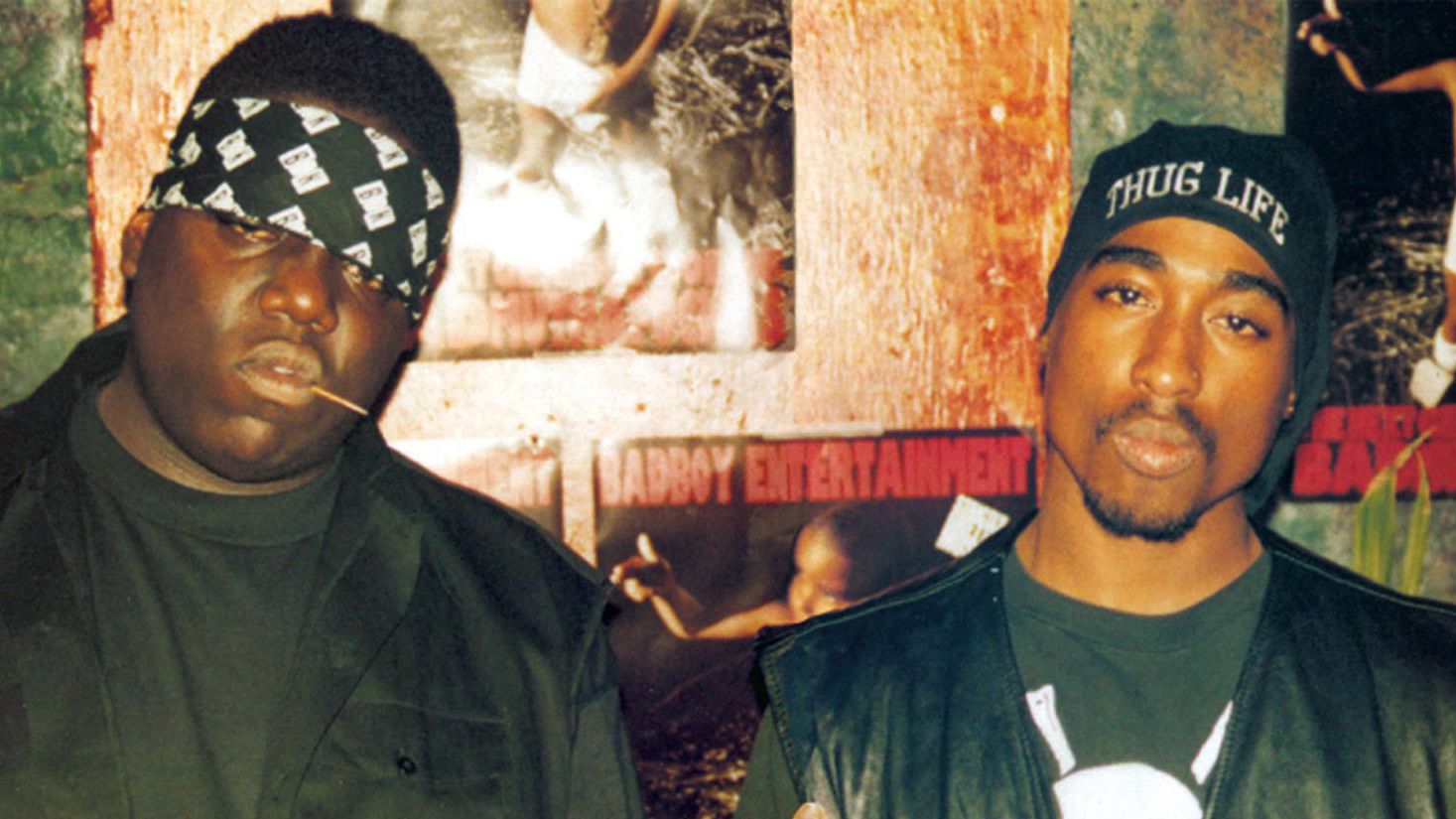
For nearly three decades, the death of Tupac Amaru Shakur has been shrouded in mystery, grief, and an endless stream of conspiracy theories. The most persistent among them—that the rap icon faked his death and is living in hiding—recently reached a fever pitch. Grainy, viral footage circulating on social media appeared to show a bald, bearded figure walking through a modern prison facility. The internet erupted. “He’s alive!” cried millions of hopeful fans, dissecting every pixel for proof that Makaveli had indeed returned.

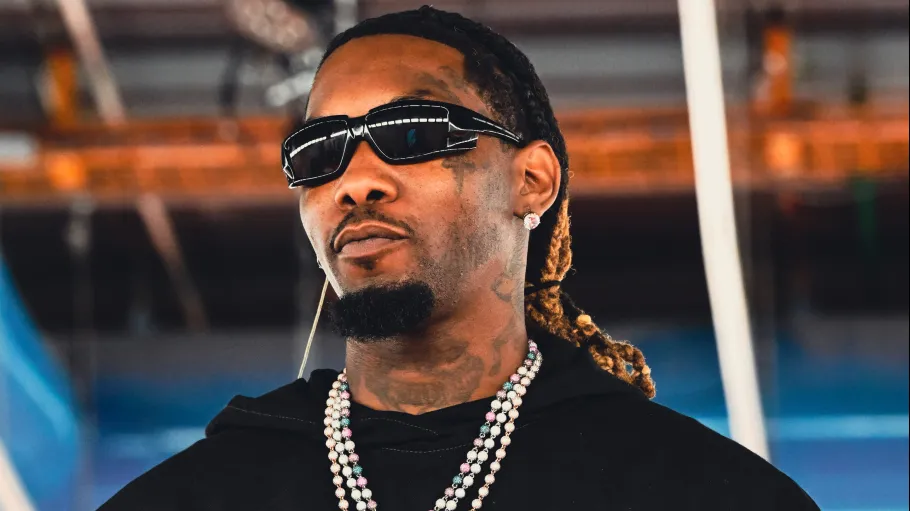
But the truth behind those clips is not a miracle; it is a cruel and twisted irony. The man in the video is not Tupac Shakur. It is Duane “Keefe D” Davis, the 60-year-old former Southside Compton Crip leader who is currently sitting in a Las Vegas detention center, awaiting trial for the murder of Tupac himself.
The Hoax That Exposed the Truth
The confusion is understandable to a degree. The footage is low-quality, and the desperate desire to rewrite history is powerful. Some of the clips mixed in are indeed of Tupac, taken from his 1995 incarceration at Clinton Correctional Facility. But the modern clips showing an older man in a jail setting are definitively Davis.
It is a grim reality check: the man accused of orchestrating the drive-by shooting that silenced a generation’s voice is now the subject of “sightings” by the very fans grieving that loss. But unlike the ghosts of the internet, Keefe D is very real, and his arrest in September 2023 marked the first time in 27 years that law enforcement has placed handcuffs on a suspect in this case.
Talking Himself into a Cell
The most baffling aspect of this case isn’t forensic evidence or a smoking gun—it’s the defendant’s own mouth. Keefe D wasn’t caught because of a sudden DNA breakthrough. He was arrested because he seemingly couldn’t stop confessing.
For over a decade, Davis has operated with a brazen lack of caution. Believing he was protected by a 2009 “proffer agreement” (a deal where suspects provide information in exchange for potential leniency), he went on a media blitz. He wrote a memoir, Compton Street Legend. He sat for hours of interviews with platforms like VladTV. He appeared in documentaries. In every instance, his story remained chillingly consistent: he was in the front passenger seat of the white Cadillac, he obtained the Glock pistol, and he handed it to the back seat—allegedly to his nephew, Orlando Anderson—who then fired the fatal shots.
“I’m going to tell the same story because that’s my job, is to get to the truth,” says retired LAPD detective Greg Kading, whose investigative work laid the foundation for the current prosecution. Kading notes that Davis “talked himself straight into prison,” boasting about his involvement long after his immunity deal had expired or ceased to cover his new public statements.
The “Entertainment” Defense
Now, facing a charge of first-degree murder with a deadly weapon, Keefe D’s defense team is attempting a legal pivot that defies logic. Their argument? It was all a lie.
His attorneys are claiming that the years of detailed confessions—the specific descriptions of the gun, the route, the MGM Grand fight, and the “Green Light” order—were merely “entertainment.” They argue Davis concocted these elaborate stories to sell books and make money, capitalizing on the public’s obsession with the unsolved murder. They assert that he was never actually in the car and that his memoir is a work of fiction he didn’t even read.
Prosecutors, however, aren’t buying it. They point to the sheer volume and consistency of his accounts over 15 years. As Kading puts it, “The strength of this prosecution lies solely on the confession that Keefe D has made since 2009.”
The Diddy Connection and the Pyramid of Silence
The implications of Keefe D’s testimony extend far beyond the car itself. In his various accounts, Davis has repeatedly alleged that the hit was funded by East Coast mogul Sean “Diddy” Combs. Davis claimed Diddy offered $1 million to take care of Suge Knight and Tupac, amid a deadly feud between Bad Boy Records and Death Row.
Diddy has vehemently denied these allegations for decades and has never been charged in connection with the crime. Yet, the inclusion of these details in Davis’s “entertainment” narrative adds another layer of complexity. If Davis was lying for clout, why implicate one of the most powerful men in the music industry? The trial, now scheduled for August 10, 2026, may finally force these allegations to be addressed in a court of law rather than YouTube comment sections.
A Long-Awaited Closure
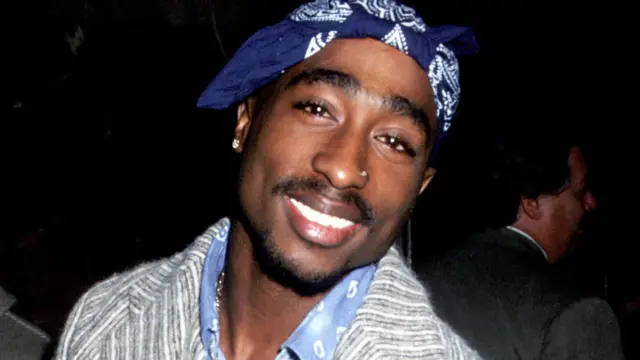
As the trial date approaches, the mood in the hip-hop community is one of somber anticipation. The key players in the tragedy—Orlando Anderson, Tupac, Biggie, and many witnesses—are dead. Suge Knight is serving 28 years for a separate murder. Only Keefe D remains to answer for the night of September 7, 1996.
The viral videos of “Tupac in jail” were a painful distraction, a phantom hope. But the image of Keefe D in an orange jumpsuit is a concrete step toward justice. For 30 years, Tupac’s murder was treated as an unsolvable riddle, a myth. Now, it is a criminal case with a defendant, a judge, and a jury.
Tupac Shakur once rapped, “I ain’t a killer, but don’t push me.” In the end, it wasn’t a rival rapper who pushed the law to act; it was the hubris of the man who claimed to have pulled the strings. Whether Keefe D is convicted or walked free on his “storytelling” defense, the silence has finally been broken. And for the first time, the world is watching not for a resurrection, but for a verdict.