
Reality singing competitions thrive on drama, but sometimes the most revealing moments aren’t the performances—they’re the reactions. A recent episode of American Idol delivered exactly that when country superstar Carrie Underwood faced a chorus of boos from the audience after critiquing a contestant’s song choice.
Instead of backing down, she leaned into it.
“Bring it on,” she told the crowd, half-laughing. “Your boos are feeding me.”
The exchange was brief, but it sparked a larger conversation about creativity, risk-taking, and what audiences really expect from contestants on talent shows.

The Performance That Divided the Room
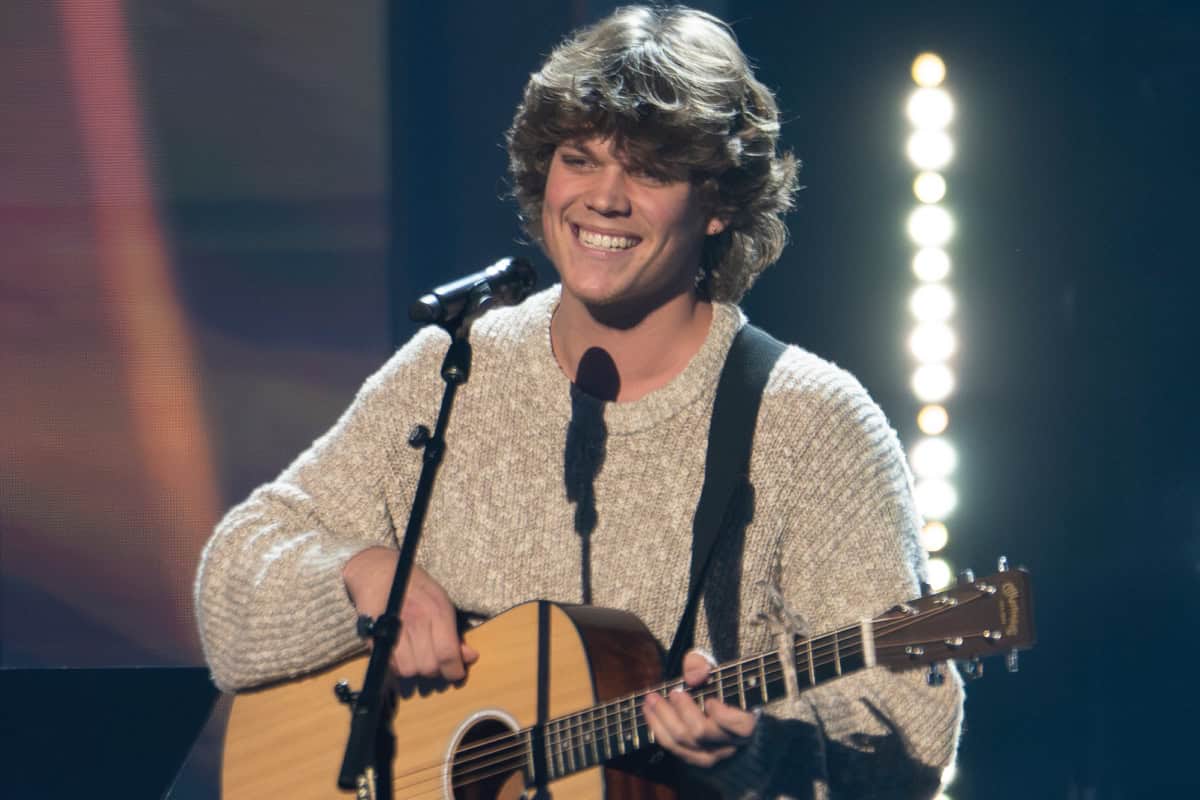
The moment unfolded during Hollywood Week when contestant Mor Ilderton chose to perform an original song.
Original material is always a bold move in a competition setting. Unlike a familiar hit, an original track doesn’t benefit from nostalgia or instant recognition. Everything—from melody to lyrics—has to land immediately.
After the performance, Underwood praised the singer’s talent but questioned the strategic choice.
Her main point was simple: with a full professional band available behind him, performing an original song meant missing an opportunity to show how his voice interprets a known piece of music. In her view, that stage of the competition is about demonstrating versatility and vocal strength.
The crowd didn’t agree.
Boos erupted almost instantly.
Why the Audience Reacted So Strongly
Reality TV audiences tend to value authenticity and artistic identity. For many viewers, performing original music signals exactly that.
From their perspective, Ilderton’s decision wasn’t a mistake—it was a statement. Singing something he wrote could show individuality and songwriting ability, not just vocal technique.
That difference in perspective explains the clash:
-
Judges evaluate strategy and performance impact.
-
Fans often prioritize authenticity and artistic courage.
Both viewpoints can be valid, which is why moments like this ignite debate.
Carrie Underwood’s Response: Embrace the Backlash
Instead of softening her criticism, Underwood acknowledged the crowd reaction head-on.
Her reaction echoed the blunt judging style once made famous by former Idol judge Simon Cowell, whose brutally honest feedback defined the show’s early seasons.
But Underwood’s tone was different. Rather than delivering a harsh takedown, she framed her comments as constructive advice. She made it clear she admired the contestant’s voice but believed the performance choice didn’t showcase it fully.
Later, she doubled down online, explaining that original songs at that stage are a gamble. Her reasoning: established hits allow singers to demonstrate how they reinterpret music people already know.
The Risk of Performing Original Songs on Talent Shows
Underwood’s argument highlights a real strategic dilemma contestants face on shows like American Idol.
Originals Can Be Powerful
-
They reveal songwriting ability.
-
They create memorable moments if the song connects.
-
They help artists stand out in a crowded field.
But They Also Carry Major Risks
-
Audiences don’t have a familiar reference point.
-
Weak songwriting can overshadow a strong voice.
-
Judges may struggle to compare the performance fairly.
Historically, contestants who save original music for later rounds—or for their careers after the show—often find more success.
A Reminder of What Reality TV Is Really About
Moments like this underline the unique tension at the heart of reality competitions.
Judges are there to critique and guide. Audiences are there to cheer, react, and form emotional connections with contestants.
When those two roles collide, the show becomes more than a talent competition—it becomes a conversation about artistry.
And sometimes that conversation gets loud.
Why Carrie Underwood Didn’t Take It Personally
Underwood’s final stance was simple: being booed is part of the job.
As a former American Idol champion herself, she understands both sides of the stage. She knows contestants take risks, judges offer opinions, and fans react passionately.
In a way, the boos proved something important: the audience cared.
And in reality television, that kind of energy—whether applause or criticism—is exactly what keeps the spotlight on.