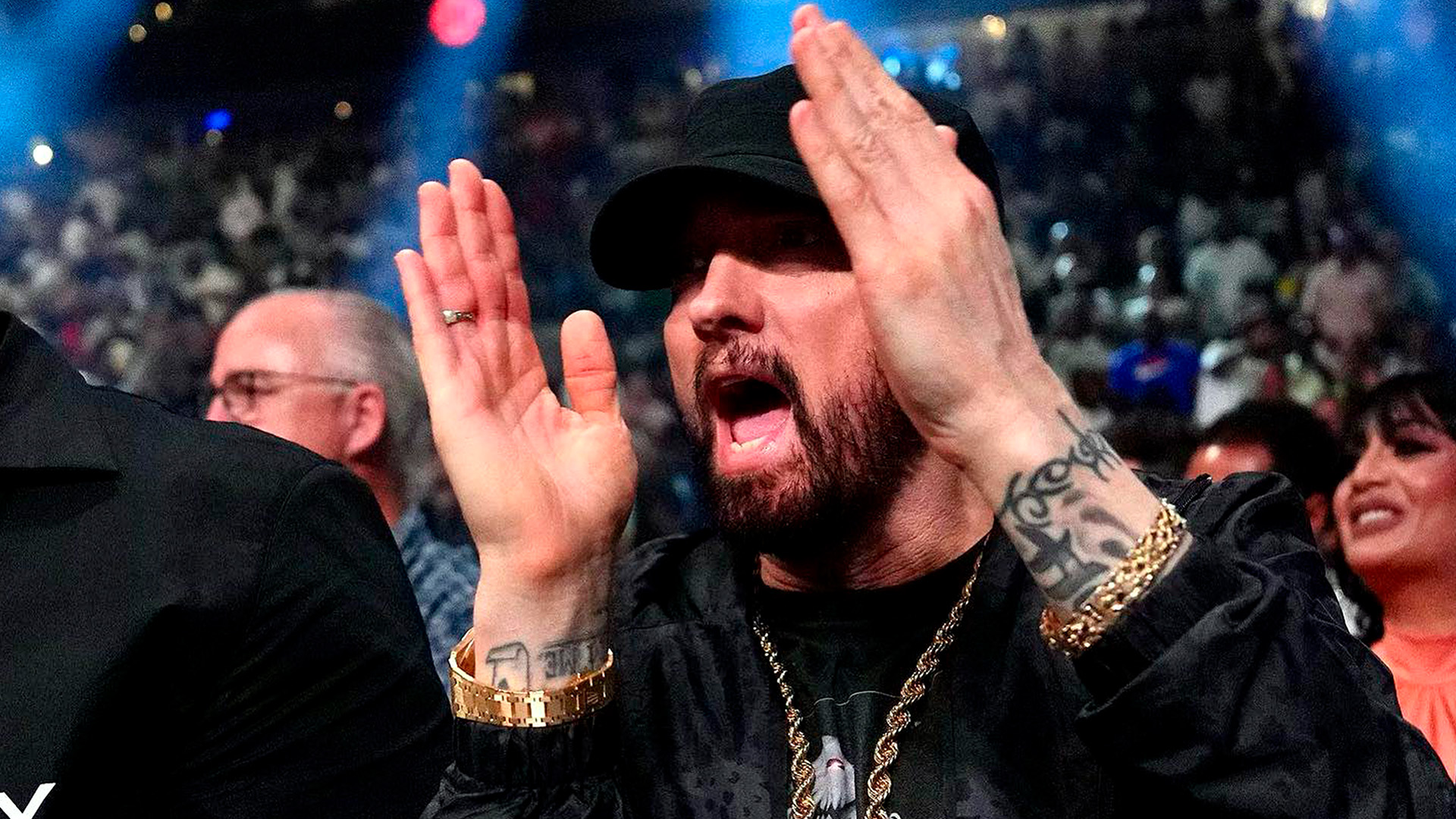
Courtrooms are designed for order, reason, and the careful weighing of evidence. Yet when celebrities step inside them, the atmosphere can shift dramatically. Legal proceedings that might normally pass quietly through the justice system suddenly become public spectacles—charged with emotion, media scrutiny, and the weight of reputation.
When a high-profile figure faces legal trouble, the courtroom becomes more than a venue for legal arguments. It turns into a stage where personal histories, public narratives, and raw human reactions collide.

The Fragile Shield of Fame
Public figures often appear untouchable. Athletes, musicians, and entertainers build careers around success, charisma, and influence. To fans, their achievements can make them seem larger than life.
But the legal system does not recognize celebrity status as protection. When allegations arise—whether they involve violence, financial wrongdoing, or personal disputes—fame can quickly become a liability instead of a shield.
In fact, high visibility often intensifies the scrutiny:
-
Every courtroom moment is dissected by media outlets.
-
Body language and expressions are analyzed by commentators.
-
Online audiences form instant opinions before a verdict is even delivered.
The result is a trial that unfolds simultaneously in two arenas: the legal courtroom and the court of public opinion.

The Emotional Gravity Inside a Trial
Trials involving well-known personalities rarely remain purely procedural. They often bring strong emotional currents into the courtroom.
Family members may react with anguish or anger as they watch someone they love face serious accusations. Supporters and critics sometimes fill the gallery, turning the room into a tense environment where every word carries enormous weight.
In such moments, emotions can erupt unexpectedly. A family member might shout in frustration. A witness may break down under questioning. Security officers occasionally have to intervene when tensions escalate.
These moments remind everyone present that legal cases are not abstract debates—they involve real people whose lives may change permanently.
Composure as a Form of Power
One striking pattern in high-profile trials is how much attention is paid to composure.
A person who remains calm amid chaos often attracts admiration, even from observers who know little about the case itself. Silence, restraint, and controlled emotion can project confidence and strength in a room filled with tension.
Legal experts frequently note that courtroom behavior can subtly influence perception. While verdicts are based on evidence and law, the way people conduct themselves—how they react to accusations, how they address the judge, how they respond to emotional outbursts—can shape the narrative surrounding the case.
In other words, demeanor becomes part of the story.
The Power of a Single Moment
In dramatic trials, a single brief interaction can capture more attention than hours of testimony.
Sometimes it’s a whispered exchange between opposing parties. Other times it’s a glance, a gesture, or a short statement delivered at just the right moment.
Why do these tiny moments resonate so strongly?
Because they humanize the situation. They hint at emotions beneath the legal arguments—anger, regret, fear, defiance, or reconciliation.
Journalists and spectators often remember these moments long after the official legal details fade from memory.
Reputation on the Line
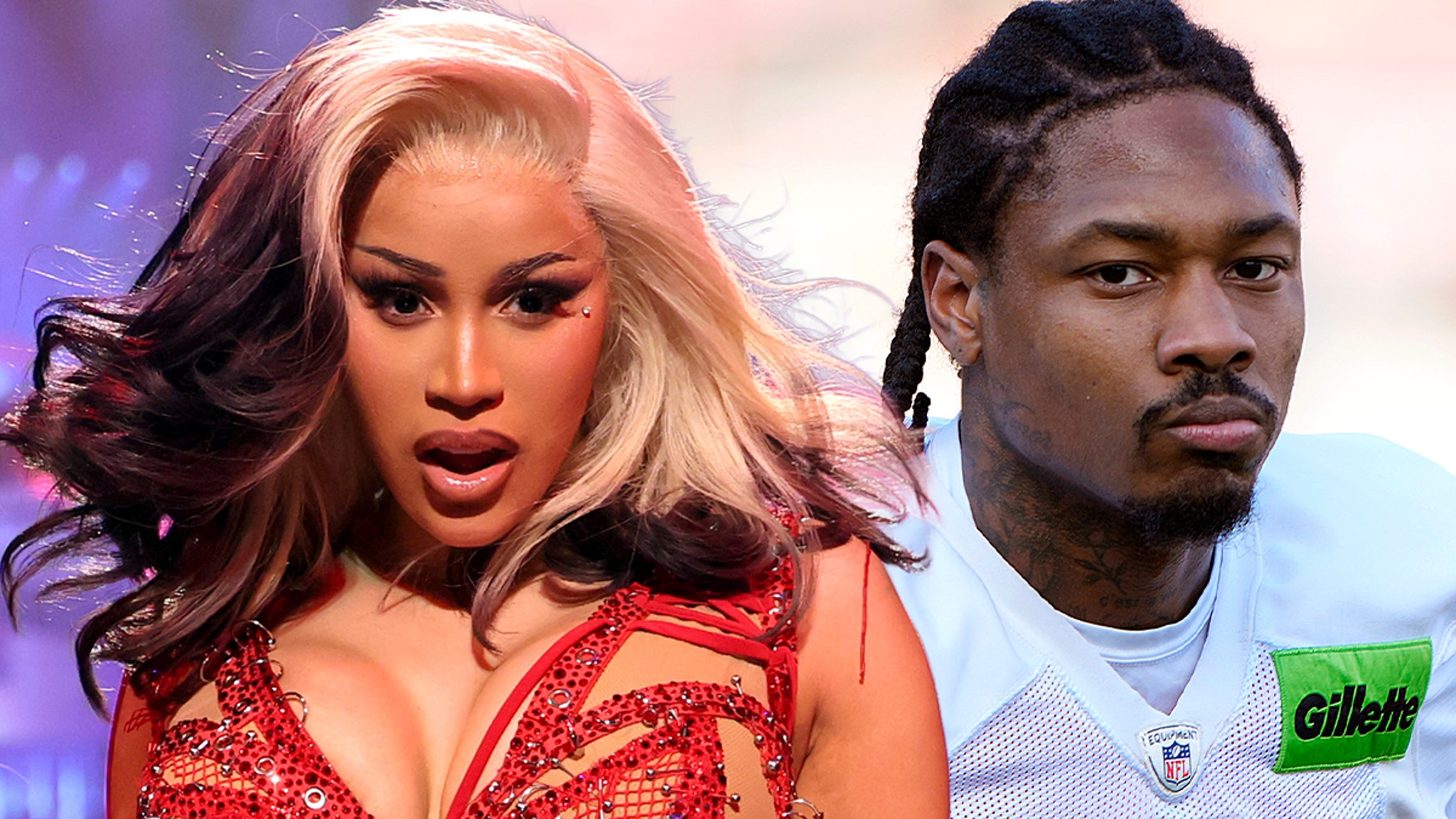
For public figures, legal battles carry consequences that go far beyond the courtroom.
Even if the legal outcome eventually resolves in their favor, the damage to reputation can linger. Sponsorships disappear, fan loyalty fractures, and career opportunities shrink.
On the other hand, individuals who demonstrate resilience or dignity during legal adversity sometimes experience the opposite effect: their public image becomes stronger.
This dynamic is particularly powerful in the age of social media, where narratives form rapidly and millions of people witness every development in real time.
The Media’s Role in Shaping the Story
When celebrities are involved, courtroom coverage can feel almost cinematic.
Television panels analyze testimony like sports commentary. Headlines emphasize dramatic details. Social media amplifies speculation and rumors.
While this attention can bring transparency to the legal process, it also carries risks:
-
Facts may be overshadowed by sensational moments.
-
Public opinion may harden before all evidence is presented.
-
Personal drama can overshadow the legal issues at the heart of the case.
For the individuals involved, this media spotlight means that every courtroom appearance becomes part of a much larger narrative.

Trials as Windows Into Human Nature
Beyond the legal outcomes, high-profile cases often reveal something deeper about people under pressure.
They show how individuals react when careers, reputations, and relationships are suddenly at stake. They reveal the strength of family loyalty, the strain of public scrutiny, and the complexity of accountability.
In many ways, a courtroom becomes a microcosm of society itself—where power, emotion, and justice intersect.
The Lasting Image
Long after verdicts are delivered and headlines fade, certain images linger:
-
A family member struggling with overwhelming emotion
-
A defendant confronting the consequences of public allegations
-
A moment of quiet composure amid chaos
These scenes remind us that behind every legal case lies a profoundly human story.
The courtroom may be a place of law, but when fame enters the room, it also becomes a place where character, resilience, and reputation are tested in full view of the world.