Reality TV thrives on big voices, bigger personalities—and occasionally, even bigger debates. This season of American Idol has found itself at the center of one such moment, where a single remark from Carrie Underwood has spiraled into a wider conversation about fairness, perception, and the fragile trust between audiences and competition shows.
What might have once passed as a routine compliment has instead become a flashpoint. And in the world of televised talent, perception can matter just as much as performance.

The Comment That Sparked It All
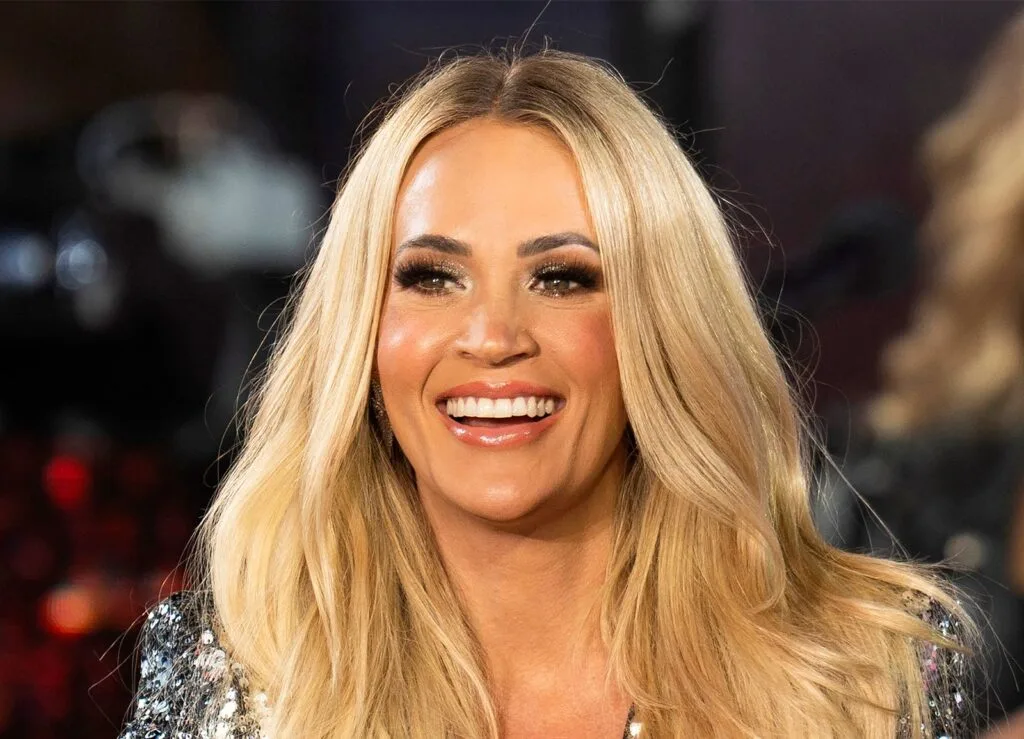
During a recent interview, Carrie Underwood made an observation that one contestant seemed to rise above the rest. It wasn’t an unusual sentiment—judges frequently highlight standout performers. But timing, tone, and context turned this into something more.
Fans quickly connected the dots, speculating that the remark pointed toward Hannah Harper, a contestant already gaining traction for her strong performances. Within hours, social media threads lit up with interpretations. Was this simply praise? Or an early signal of who the show might be favoring?
The ambiguity is what fueled the fire.

Why Viewers Are So Sensitive to “Favoritism”
At its core, American Idol is built on a promise: that talent and public votes determine the outcome. That promise creates an emotional contract with viewers. They invest time, energy, and often personal attachment into contestants, believing their votes genuinely matter.
So when a judge appears to elevate one performer above others—especially during critical stages—it can feel like the scales are being subtly tipped.
Even without concrete evidence, the idea of favoritism can disrupt that trust.
The Role of Judges: Mentors or Influencers?
Judges occupy a complicated space. They’re expected to critique, guide, and inspire contestants—but also to entertain and shape the narrative of the show.
Highlighting strong performers is part of the job. In fact, it helps audiences identify who to watch. But there’s a fine line between recognition and perceived endorsement.
When judges consistently praise a particular contestant—or even appear to—it can influence how viewers vote, consciously or not. A glowing comment from a respected artist like Carrie Underwood carries weight. It can validate a contestant’s credibility, but also unintentionally steer public opinion.
Hannah Harper: Beneficiary or Target?
For Hannah Harper, the situation is a double-edged sword.
On one hand, being seen as a standout can elevate her visibility and attract more support. In a crowded field of talent, that kind of attention is invaluable.
On the other hand, it places her under a microscope. Every performance is now judged against heightened expectations. Success may be attributed to bias rather than ability, while any misstep is amplified.
In short, what should be an advantage can quickly become pressure.
If this moment had occurred a decade ago, it might have faded quickly. Today, it’s a different story.
Platforms like X, TikTok, and Reddit turn every comment into a dissected event. Fans replay clips, analyze body language, and build narratives in real time. Opinions spread fast—and once a narrative gains traction, it’s hard to reverse.
In this case, two camps have emerged:
- Defenders argue that standout contestants deserve recognition and that judges are simply doing their job.
- Critics believe even subtle favoritism undermines the integrity of the competition.
Both perspectives highlight how deeply invested audiences have become.
The Bigger Question: What Does “Fair” Really Mean?
The controversy raises a broader issue that extends beyond American Idol: can any reality competition ever be perceived as completely unbiased?
Judges bring personal taste. Producers shape narratives. Editors choose what audiences see. Even audience voting can be influenced by storytelling, screen time, and emotional connection.
Fairness, in this context, isn’t just about actual bias—it’s about perceived neutrality. And maintaining that perception requires careful balance.
What Happens Next Matters More Than What Was Said
Ultimately, this debate will likely be decided not by interviews or online arguments, but by performances on stage.
Strong, undeniable talent has a way of cutting through noise. If Hannah—and her competitors—continue to deliver compelling performances, the focus may shift back to what matters most: the music.
But the moment has already left its mark.
It serves as a reminder that in modern reality TV, every word counts. Judges aren’t just offering feedback—they’re shaping narratives, influencing audiences, and, sometimes unintentionally, sparking controversies.
The Takeaway
This isn’t just about one comment or one contestant. It’s about the delicate ecosystem of trust that keeps shows like American Idol alive.
Fans want to believe in the journey. They want authenticity, unpredictability, and the sense that anyone can win on merit alone.
Whether that belief holds steady—or begins to crack—depends not just on what happens behind the scenes, but on how it’s perceived in front of the camera.
And as this season unfolds, viewers won’t just be watching for the best voice.
They’ll be watching for fairness.