Over the past few weeks, the internet has been gripped by a surge of explosive speculation involving some of the biggest names in modern music. At the center of the storm is a question fans keep asking — why has Rihanna stayed completely silent while old rumors resurface and new accusations swirl online?
None of the claims circulating have been proven. No verified recordings, no confirmed witnesses, no legal findings tying Beyoncé, Jay-Z, or Rihanna to wrongdoing. And yet, the volume of speculation continues to grow, fueled by social media algorithms, blind items, and years-old moments being reinterpreted through a darker lens.
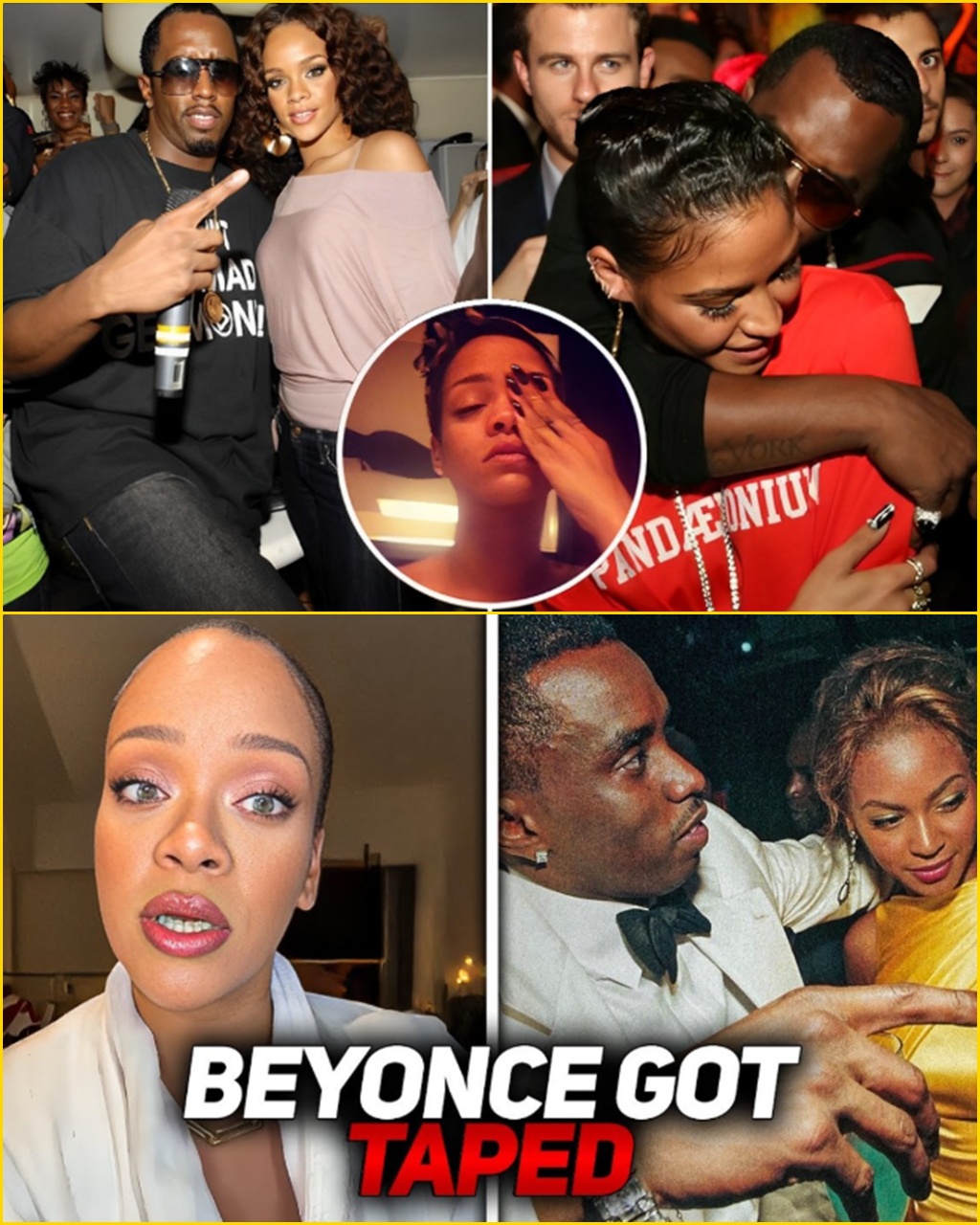
The rumors largely stem from renewed attention on Sean “Diddy” Combs’ legal troubles and the broader industry conversation about power, silence, and complicity. As lawsuits and allegations involving other figures emerge, internet commentators have begun retroactively connecting dots — often without evidence — pulling in anyone who once moved within the same elite circles.
Rihanna’s name enters the narrative not because of what she has said, but because of what she hasn’t.
Fans point to her abrupt distancing from certain industry power hubs years ago, the absence of collaborations once thought inevitable, and moments of visible tension frozen in old award-show footage. Online, these fragments are being assembled into theories — theories that remain unverified but emotionally compelling to audiences already primed to distrust institutions and icons.
Beyoncé, known for extreme privacy and strict control of her public image, has not addressed the rumors — a silence that some interpret as strategy, while others unfairly frame as suspicious. Jay-Z, similarly, has made no public comment, and no credible legal filing has accused either of criminal behavior.
It’s a familiar pattern in the digital age: when real wrongdoing by one figure is exposed, the internet searches for villains everywhere else. Silence becomes evidence. Distance becomes guilt. And speculation hardens into belief.
What’s often lost is proportion.
There is a vast difference between knowing someone and being complicit. Between industry proximity and criminal involvement. Yet online narratives rarely respect that boundary.
As for Rihanna, many fans argue that her life and career suggest the opposite of complicity — a woman who quietly exited toxic spaces, rebuilt on her own terms, and has consistently avoided industry drama. Whether she will ever address the rumors is unknown. She owes the public no explanation for gossip that lacks proof.
What is certain is this: reputations are now being tested not in courtrooms, but on timelines. And once a rumor reaches critical mass, truth struggles to catch up.
Until verified evidence exists, these stories remain exactly what they are — unproven internet speculation, amplified by fear, fascination, and the hunger to believe that every empire hides a secret.
And in this moment, silence may not be guilt.
It may simply be restraint.