A new wave of online speculation has placed Cardi B and NFL star Stefon Diggs back in the spotlight. Reports suggesting that Diggs is seeking $30 million in damages after their alleged breakup have spread quickly, blending celebrity intrigue with questions about reputation, influence, and accountability. Yet despite the intensity of the discussion, much of the story remains unconfirmed.
A Claim That Spread Faster Than Facts
The controversy began with circulating reports that Diggs believes Cardi B played a role in damaging his career. According to these claims, her influence may have led sponsors to distance themselves from him, affecting both his earnings and public image.
Fueling the narrative further is a widely shared remark attributed to Diggs, in which he allegedly described Cardi B as a “bad luck woman.” While the statement has gained traction online, there has been no official confirmation that it was ever made.
In the absence of verified details, the story has taken on a life of its own, driven largely by speculation and public curiosity.
The Question of Influence
At the center of the discussion is a complex issue: whether one public figure can be held responsible for another’s professional setbacks. While personal relationships can influence public perception, proving a direct link to financial losses is far more challenging.
For such a claim to hold weight, there would need to be clear evidence showing that sponsors made decisions specifically because of Cardi B’s actions. This could involve documented communication or direct testimony. Without that, the allegation remains uncertain and open to interpretation.
How the Industry Really Works
Cardi B’s cultural influence is undeniable. Her ability to shape conversations and command attention is well established. However, whether that influence extends into corporate decision-making at the level of sports sponsorships is less clear.
Brands typically operate through structured strategies and long-term planning, making it unlikely that informal pressure alone would drive major financial decisions. This reality adds another layer of complexity to the claims being discussed.
Speculation Fills the Silence
The lack of confirmed information has only intensified the conversation. Some observers dismiss the story as exaggerated, while others remain intrigued by the possibility that more could be happening behind the scenes.
As often happens in the digital age, the gap between verified facts and online narratives continues to widen. With no official statements from either party, speculation has become the dominant force shaping public perception.
The Weight of Public Relationships

Beyond the legal and professional questions, the situation highlights the challenges of high-profile relationships. When personal dynamics unfold under constant public scrutiny, even unverified claims can influence how individuals are perceived.
In cases like this, the line between private matters and public consequences becomes increasingly blurred.
What Lies Ahead
If the reported claim were to develop into formal legal action, it would raise difficult questions about influence, reputation, and responsibility. Such a case would likely require detailed examination of how indirect actions could translate into measurable harm.
For now, however, no confirmed legal proceedings have been announced, leaving the story in a state of uncertainty.
A Story Still Taking Shape
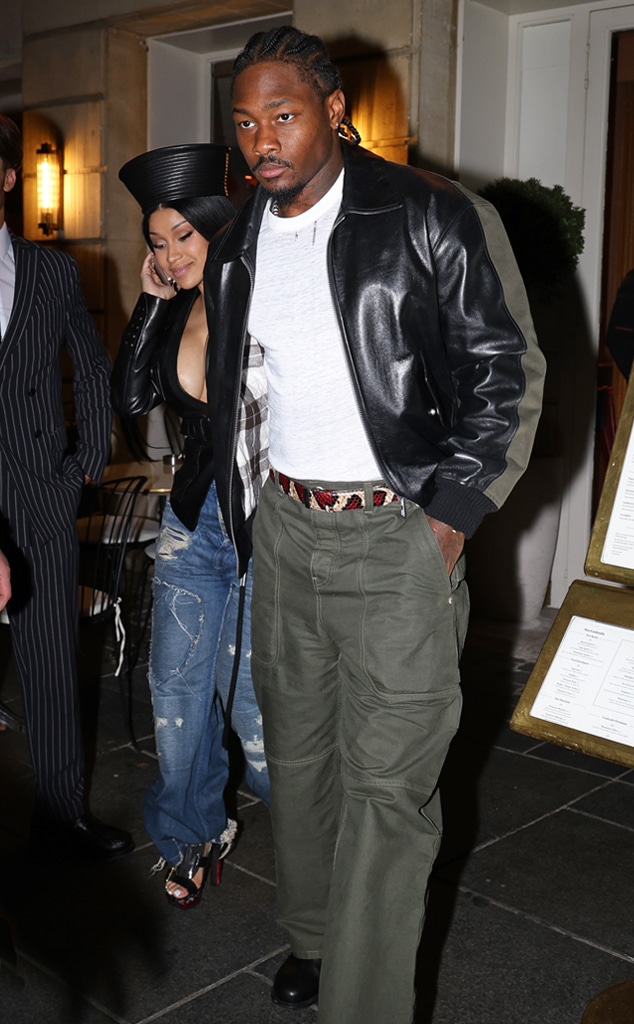
At present, the reported dispute remains rooted in online discussion rather than verified fact. Even so, it reflects a broader truth about modern celebrity culture: narratives can spread rapidly, often outpacing confirmation.
Whether this situation evolves into something more concrete or fades over time, it has already captured attention—showing just how quickly speculation can become a headline when public figures are involved.