Hip-hop’s most enduring rivalries often simmer for years, but few have the staying power of the one between Curtis “50 Cent” Jackson and Shawn “Jay-Z” Carter. What started as a battle for New York supremacy in the late ’90s has evolved into something more layered, resurfacing dramatically in late 2025 with the release of 50 Cent’s Netflix documentary series on Sean “Diddy” Combs. The four-part “Sean Combs: The Reckoning,” which premiered on December 2, became an instant streaming phenomenon, chronicling Diddy’s ascent and fall amid serious allegations and legal battles.
50 Cent, executive producer alongside director Alexandria Stapleton, positioned the project as a hard-hitting examination of power and accountability in the music industry. It features exclusive interviews, archival footage, and insights into Diddy’s world, pulling no punches while focusing on victims’ stories. The series’ success—topping charts and sparking global conversations—reinvigorated 50’s brand as hip-hop’s unrelenting truth-teller, known for turning beef into blockbuster content.

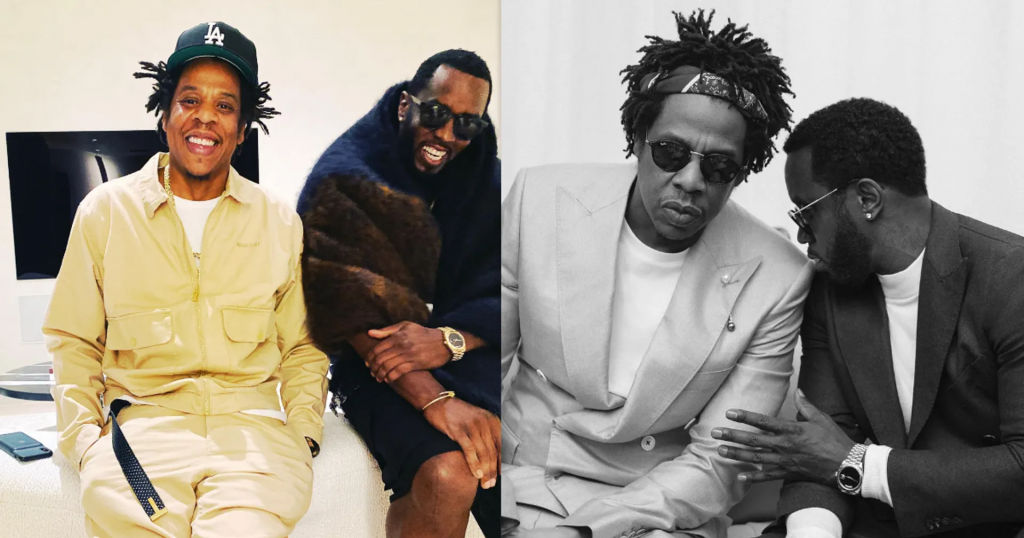
But the documentary’s ripples extended beyond Diddy. Jay-Z and Diddy shared a long friendship, collaborating on tracks, business ventures, and social scenes from the Roc-A-Fella and Bad Boy eras. While the series doesn’t directly implicate Jay-Z, timelines and discussions of enablers in Diddy’s circle invited speculation. Fans dissected connections, wondering about proximity to controversy.
50 Cent wasted no time amplifying the buzz. Post-release, he flooded social media with memes and deepfakes targeting Jay-Z—one viral clip superimposed Jay’s face into a romantic video, captioned as Jay’s “relief” at minimal mention in the doc. Another joked about Jay “hiding” from fallout. These posts, laced with 50’s signature pettiness, racked up millions of views, keeping the heat on.
Sources close to the situation suggest Jay-Z views this as a direct threat. His Roc Nation empire spans music management, sports agencies, cannabis ventures, and high-profile partnerships. Recent hurdles, like a collapsed Times Square casino bid amid broader scrutiny, highlight reputation’s fragility at his level. Any deepened association with Diddy’s scandals could jeopardize boardroom trust and legacy projects.

50 Cent’s approach thrives on chaos. His TV slate—”Power” franchise, reality shows—benefits from his troll persona, turning rivals into content gold. Trolling Diddy built anticipation for the doc; extending to Jay keeps momentum. Fans speculate a dedicated Jay project looms, though 50 plays coy in interviews, insisting his work spotlights broader issues.
Jay-Z maintains characteristic silence, focusing on family with Beyoncé and their children, plus philanthropy through initiatives like education reform. Past legal wins cleared direct ties to allegations, but industry whispers persist. His evolution—from street hustler to boardroom titan—embodies calculated restraint, contrasting 50’s explosive style.
This clash echoes hip-hop’s roots: raw competition fueling creativity and controversy. 50 positions as exposer of hidden truths, Jay as guardian of hard-won elevation. Supporters split—some hail 50’s boldness in an era demanding accountability, others see selective targeting ignoring his own past.

The documentary succeeded in centering serious discussions on power dynamics and victim voices, a meaningful outcome amid sensationalism. As streams surge and memes fly, it underscores the genre’s enduring drama: moguls battling not just for charts, but narrative control.
In 2025’s polarized culture, such feuds captivate, blending nostalgia with real-time stakes. 50 basks in victory lap, Jay strategizes quietly. Whatever unfolds—lawsuits, responses, or silence—their influence shapes conversations far beyond music.
Hip-hop thrives on authenticity, turning personal into universal. These icons embody that: triumphs, flaws, rivalries driving the culture forward. Fans watch eagerly, debating who’s playing chess, who’s throwing punches—and what truths emerge next.