Every few months, a claim surfaces online that feels so shocking, so cinematic, that it instantly captures attention. This time, it’s a familiar mix of celebrity, mystery, and conspiracy—centered around Kanye West and a viral claim that Beyoncé was “cloned.”
The story has spread quickly, sparking curiosity, confusion, and debate. But beneath the dramatic framing lies a much simpler reality: there is no verified evidence supporting the idea that Beyoncé was cloned or replaced.
So why does the story feel so convincing?

The Claim That Took Over the Internet
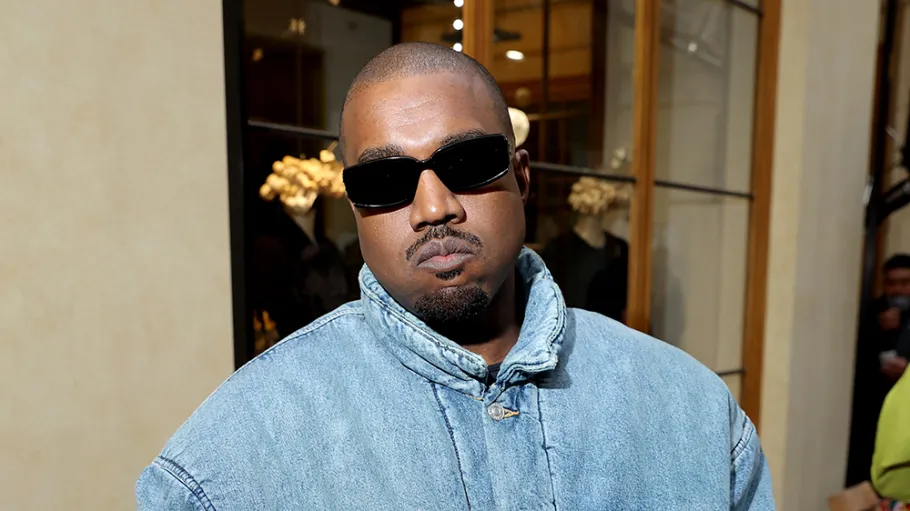
At the center of the narrative is Kanye West, who has made a series of controversial and wide-ranging statements about the entertainment industry. In this case, his remarks have been interpreted as suggesting that Beyoncé was replaced with a controlled version of herself.
From there, the story expands. Online posts add layers—claims about industry control, references to unnamed “higher-ups,” and suggestions that celebrities are manipulated or replaced to maintain influence and profit.
Over time, these pieces form a larger narrative that feels detailed and interconnected, even though it is built on speculation rather than confirmed facts.
How Old Rumors Get New Life
The idea that Beyoncé has somehow “changed” is not new. For years, fans have pointed to differences in her style, performance, or public presence as evidence of something deeper.
These observations, however, are subjective. Artists evolve over time, and shifts in image, tone, or behavior are a natural part of long careers.
When those changes are reinterpreted through a conspiratorial lens, they can take on a different meaning—one that suggests replacement rather than growth.
The Role of “Insider” Claims
Part of the story’s momentum comes from references to so-called insiders, including individuals who have made similar claims in the past. These statements are often presented as hidden knowledge or behind-the-scenes truth.
But without verification, documentation, or credible sourcing, such claims remain unconfirmed. They add intrigue, but not evidence.
Still, their inclusion helps reinforce the narrative, giving it the appearance of depth and credibility.
A Bigger Story About Control
What gives this claim staying power is that it connects to a broader idea—that powerful figures in the entertainment industry control the lives and images of celebrities.
Kanye has spoken about this concept before, suggesting that public figures are influenced or managed by forces behind the scenes. In this context, the “cloning” claim becomes symbolic of something larger: the loss of autonomy.
For many, the story resonates not because it is proven, but because it aligns with existing suspicions about fame, power, and influence.
Why It Feels Real
The structure of the narrative is what makes it compelling. It combines several elements that naturally draw attention: a global icon, a controversial figure making bold claims, and the suggestion of hidden truths.
It also relies on absence. Beyoncé has never addressed such rumors, and that silence allows speculation to grow. Without a clear response, audiences are left to interpret what they see and hear.
In that space, imagination fills the gaps.
Separating Story From Evidence
Despite the intensity of the conversation, there is no confirmed evidence supporting claims that Beyoncé was replaced, cloned, or otherwise manipulated in the way described.
The story is driven by interpretation, repetition, and the amplification power of social media. Each retelling adds weight, making the narrative feel more substantial than its foundation.
But at its core, it remains unverified.
The Real Takeaway
What this moment reveals is less about Beyoncé and more about how stories spread today. In a culture where audiences are increasingly skeptical of public images, narratives that suggest hidden layers gain traction quickly.
They don’t require proof to grow. They require curiosity, connection, and a willingness to question what appears on the surface.
As long as those conditions exist, stories like this will continue to emerge—blurring the line between speculation and belief.
And while the idea of a “cloned Beyoncé” may capture attention, the reality is far less dramatic: a viral claim, built on interpretation, moving through a system that rewards what feels shocking more than what is confirmed.