Inside the Rumors: What Joe Rogan and Katt Williams Say About Fame, Power, and Hidden Deals
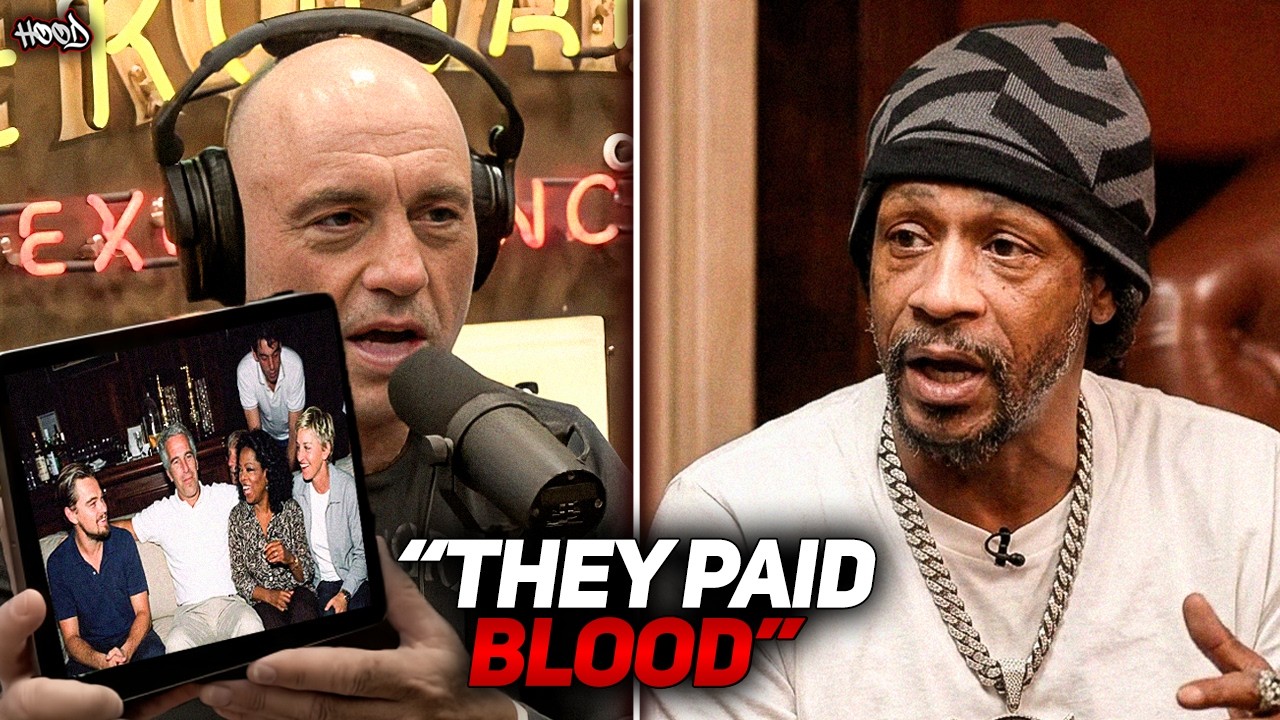
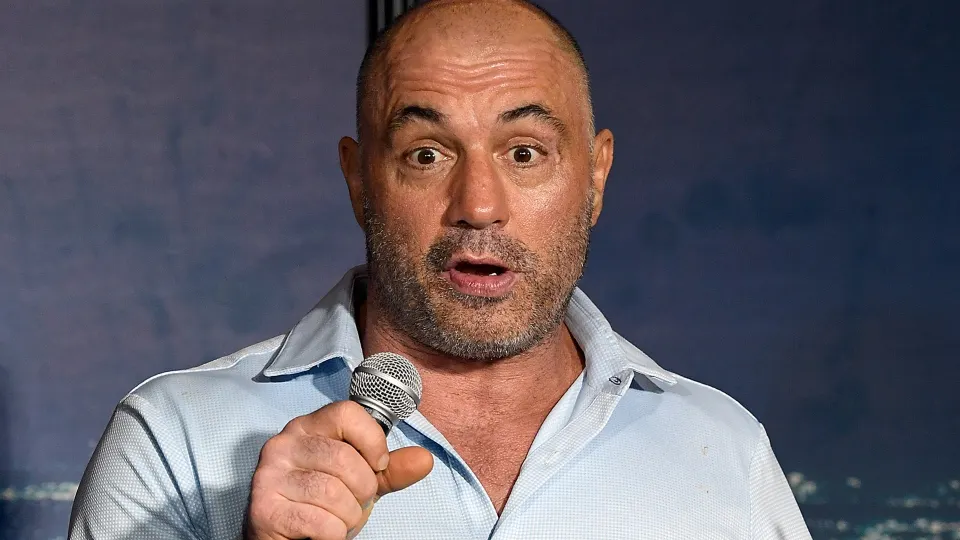
The conversation around fame in Hollywood has taken a darker turn. What once sounded like wild speculation is now being discussed more openly, with voices like Joe Rogan and Katt Williams pushing ideas that many believe the industry would rather keep quiet.
At the center of it all is a simple but unsettling claim: success at the highest level may come with a price far deeper than talent or hard work.
A Different Kind of Deal
The idea isn’t framed as ambition or sacrifice in the usual sense. Instead, it’s described as something hidden—agreements made behind closed doors, conditions that aren’t meant to be discussed publicly.
According to this perspective, the real role of those who’ve “made it” isn’t just to perform or entertain. It’s to maintain silence. To act as if nothing unusual ever happened.
That’s where the conversation shifts from speculation to something more pointed. The suggestion is that the spotlight isn’t freely given. It’s earned through compliance with a system that demands more than what audiences see.
Walking Away vs. Playing Along
Katt Williams has long claimed that he turned down major opportunities because of the conditions attached. He describes offers involving enormous sums of money, paired with expectations to attend private gatherings, follow instructions, and avoid asking questions.
He says he walked away.
But the focus quickly turns to those who didn’t.
When artists rise quickly, their journeys are reexamined through this lens. Their success begins to look less like luck or talent and more like participation in something hidden.
When Artists Speak—Then Backtrack
One name that comes up is NLE Choppa, who openly mentioned passing what he called a “humiliation ritual.” He didn’t frame it as a joke, and his words were direct.
For some, it sounded symbolic. For others, it raised deeper questions.
Rogan’s take pushes the idea further: what if “humiliation” isn’t random? What if it’s a process—breaking someone down before rebuilding them into a version that fits the system?
Once that possibility is considered, the meaning behind such statements becomes harder to dismiss.
Shock Value or Something More?
Then there’s Lil Nas X, whose visuals and artistic choices have sparked ongoing debate. From controversial imagery to bold public moments, everything about his rise leans into shock and symbolism.
Some see it as creative expression. Others see it as something deliberate.
Katt Williams suggests that nothing is hidden anymore—that it’s all shown openly because audiences will consume it regardless. The line between art and message becomes blurred, leaving interpretation up to the viewer.
Patterns That Raise Questions
The discussion doesn’t stop with one or two names. Artists like Trippie Redd and Juice WRLD are pulled into the conversation as well.
With Trippie Redd, fans noticed a shift over time—darker imagery, heavier symbolism, and an overall change in tone. Explanations were offered, but they didn’t fully settle the questions.
Juice WRLD’s case hits differently. At one point, he spoke casually about “selling his soul,” then later dismissed it as a joke. Yet his music continued to reflect similar themes, including references to not living past a certain age—something that later became a haunting reality.
No one claims this proves anything. But the repetition of these moments creates a pattern that people find hard to ignore.
When Reality Mirrors the Image
The same pattern is applied to YNW Melly. His artistic identity leaned heavily into dark themes, and later events in his real life shifted how people viewed that image.
The narrative becomes familiar: rapid rise, increasingly intense symbolism, then a turning point that changes everything.
For critics of the system, this isn’t coincidence. It’s consistency.
Power, Influence, and Hierarchies
The conversation becomes even more sensitive when it reaches artists like Beyoncé.
Here, the focus isn’t just on success, but influence. Her presence in major moments, the way other artists reference her, and the aura surrounding her performances all contribute to ongoing speculation.
Some interpret her elaborate stage routines and symbolic imagery as pure artistry. Others believe it hints at something deeper.
When her former drummer made unusual claims in the past, the case was dismissed—but the discussion never fully disappeared.
And where Beyoncé is mentioned, Jay-Z inevitably follows. Together, they’re often described as more than participants in the industry—as figures who help shape it.
A Network, Not Individuals
Names like Erykah Badu add another layer. Known for her spiritual beliefs and openness about energy and transformation, she represents a different side of the same conversation.
When multiple artists, each with distinct styles, are linked by similar themes, the focus shifts from individuals to a broader network.
That’s the point Rogan keeps returning to: don’t just look at one person—look at the pattern.
The Question That Remains
At its core, this conversation isn’t offering proof. It’s raising questions.
Why do similar themes keep appearing across different artists and eras? Why do some speak openly, only to later retract their words? Why do those who challenge the narrative often face dismissal?
Katt Williams frames it simply: the industry has rules. Those who follow them rise. Those who don’t remain outside.
If that’s true—even partially—then success might not just be about talent or effort. It might involve choices most people never see.
And that leads to the final question: if the cost of that level of fame were real, would it still be worth it?