Orlando Brown and Jaguar Wright’s Claims Spark Renewed Debate About the Entertainment Industry
For years, stories about the darker side of the entertainment industry have circulated in whispers, rumors, and explosive interviews. Many were dismissed as conspiracy theories or written off as the ramblings of troubled celebrities. But as public scandals and legal cases continue to unfold, some people are revisiting those old warnings with a different perspective.
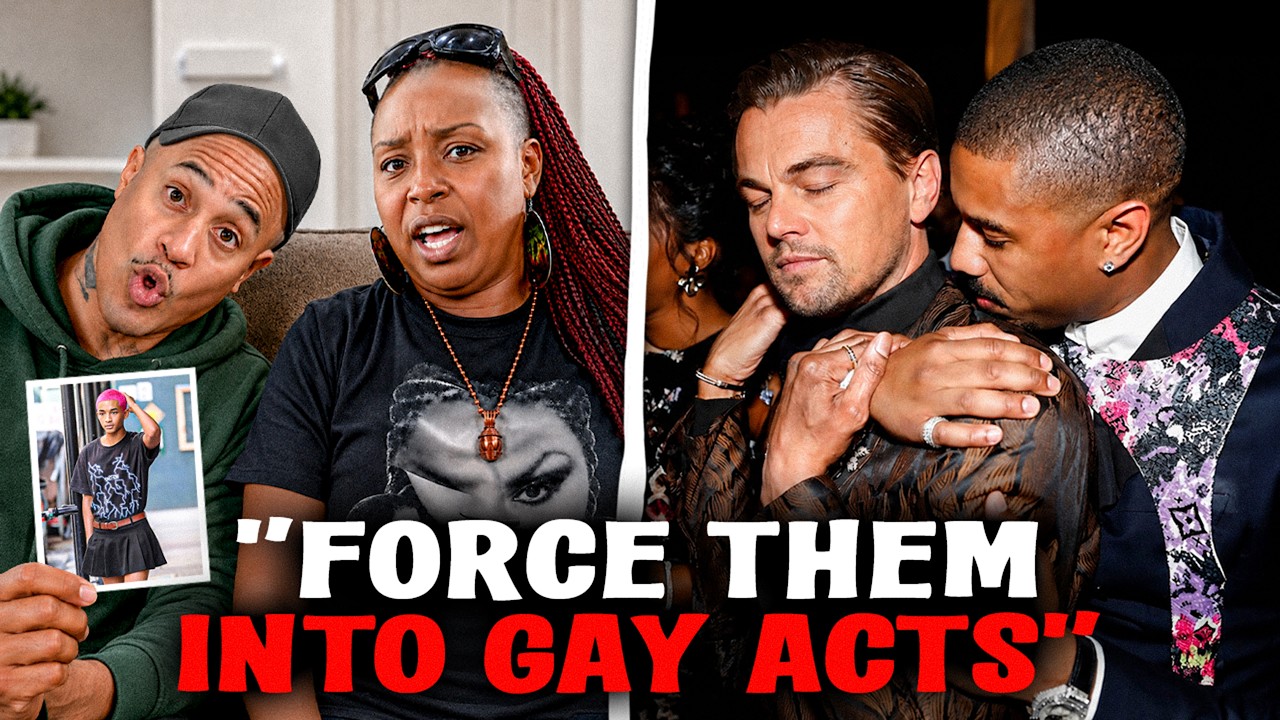
At the center of that conversation are Orlando Brown and Jaguar Wright, two outspoken figures who have repeatedly claimed that the industry operates through manipulation, pressure, and exploitation behind closed doors.
Their message is blunt: fame often comes with hidden costs, especially for young artists who enter the business before they fully understand the environment around them.
A System Built on Power and Silence
Throughout the discussion, Orlando Brown and Jaguar Wright describe the entertainment world as deeply transactional. According to them, success is not only tied to talent, but also to power structures that reward compliance and punish resistance.
Jaguar Wright argues that many artists are taught early on that keeping powerful people happy is simply “part of the game.” In her view, silence becomes survival. People watch what happens to those who speak too openly, and they learn quickly to protect themselves.
The conversation repeatedly returns to the idea that compromising situations are used as leverage. Wright claims that recordings, private gatherings, and hidden secrets become tools of control that keep people trapped inside the system long after the spotlight fades.
For Brown, the issue is personal. Having worked in entertainment since childhood, he presents himself as someone who witnessed the industry’s inner workings from a very young age. He repeatedly compares himself to later stars, insisting that he helped pave the way for many artists who followed.
Why Some Warnings Were Ignored
One major theme throughout the discussion is perception. Brown suggests that many people ignored his claims because of the way he presented himself publicly. His erratic behavior and controversial interviews made him easy to dismiss.
But supporters now argue that his chaotic public image may have overshadowed the deeper concerns he was trying to raise. In the conversation, some participants even suggest that acting unpredictable allowed him to speak openly without being treated as a serious threat.
That idea reflects a broader point made throughout the piece: the entertainment industry, they claim, often protects itself by discrediting uncomfortable voices before their stories can gain traction.
Allegations About Celebrity Culture
The discussion also touches on several high-profile celebrities and longstanding industry rumors. Among the most heavily discussed are Jada Pinkett Smith and Will Smith.
Participants describe a culture where public image is carefully controlled, with personal controversies reframed through managed interviews and media appearances. They argue that celebrities with enough influence can shape narratives before damaging stories spiral out of control.
The conversation references Jada Pinkett Smith’s highly publicized “Red Table Talk” discussion about her relationship with August Alsina. According to the speakers, the interview demonstrated how celebrities can transform scandal into a controlled public conversation centered on healing and self-awareness.
At the same time, they claim that the public rarely sees the full picture behind celebrity relationships, private parties, and industry alliances.
Young Artists Entering the Machine
A large portion of the discussion focuses on what happens to artists who enter the industry as children.
The speakers point to Usher as an example of a young performer introduced to powerful industry circles at an early age. They revisit stories about his time living under the guidance of Sean ‘Diddy’ Combs during his teenage years.
Particular attention is given to an old interview where Usher reflected on being exposed to adult situations while still very young. The conversation frames this as evidence of how child performers are often pushed into environments they are not emotionally prepared to handle.
The speakers also discuss Justin Bieber, portraying him as another artist who achieved enormous fame while struggling privately under intense pressure. They connect his public controversies and emotional interviews to the broader idea that young stars often carry invisible emotional damage.
One emotional moment highlighted is Bieber expressing concern for Billie Eilish and saying he wanted to protect her from experiencing what he went through in the industry himself.
Fame, Collapse, and Isolation
The conversation repeatedly suggests that many public breakdowns are misunderstood. Rather than seeing troubled celebrities as reckless or unstable, the speakers frame them as people reacting to deep psychological pressure.
Artists like DaBaby and YK Osiris are presented as examples of how quickly the industry can embrace someone and then abandon them.
According to the discussion, success in entertainment can disappear almost overnight. One controversy, one refusal, or one misstep can suddenly cut an artist off from the machine that once elevated them.
The speakers argue that this creates a cycle where artists feel disposable, isolated, and emotionally exhausted after years of chasing fame.
The Weight of Public Image
Another recurring theme is the gap between celebrity image and reality.
Orlando Brown warns viewers not to confuse wealth, designer clothing, or social media attention with happiness. He insists that many artists project success while privately struggling with pain, pressure, and fear.
He describes fame as something designed to make ordinary people admire celebrities and aspire to their lifestyles, even when those lifestyles may be deeply damaging behind the scenes.
The discussion ultimately paints the entertainment industry as a place where appearances matter more than well-being, and where vulnerability can quickly become a liability.
Questions That Continue to Follow the Industry
By the end of the conversation, the speakers return to a larger question: if these stories are only coincidences, why do so many of them seem to follow the same pattern?
They point to recurring themes involving young talent, powerful executives, private gatherings, public breakdowns, and long periods of silence from people who may know more than they are willing to say publicly.
Whether audiences believe every claim or not, the discussion reflects a growing skepticism about how fame operates behind closed doors. For some viewers, Orlando Brown and Jaguar Wright are controversial figures making unverified accusations. For others, they are voices forcing uncomfortable conversations into the open after years of silence.
Either way, their message is clear: the glamorous image presented to the public may hide a far more troubling reality underneath.