Long before he became the face of West Coast rap, Tupac Shakur was a New Yorker. He was born on 16 June 1971 in East Harlem, Manhattan, and spent the first 13 years of his life in different parts of the city, mainly Harlem and the Bronx. It is one of the great paradoxes of hip-hop history that the artist who became the central figure in the East Coast and West Coast conflict began life on the East Coast side of it. And it is a detail that came up straight away when a young radio host sat down with him in 1996.
That host was Angie Martinez, then a rising voice at Hot 97 in New York. According to the excerpt of her memoir, My Voice, that was published in 2019, one of the first things she did on tape was ask Tupac a pointed question about whether he was from New York himself. It was a smart place to begin. Everything about his reputation in 1996 suggested he was at war with the city, yet the facts of his upbringing told a more complicated story. Martinez aired only around 12 minutes of what was reportedly a two-hour conversation, and the rest stayed locked away for decades.
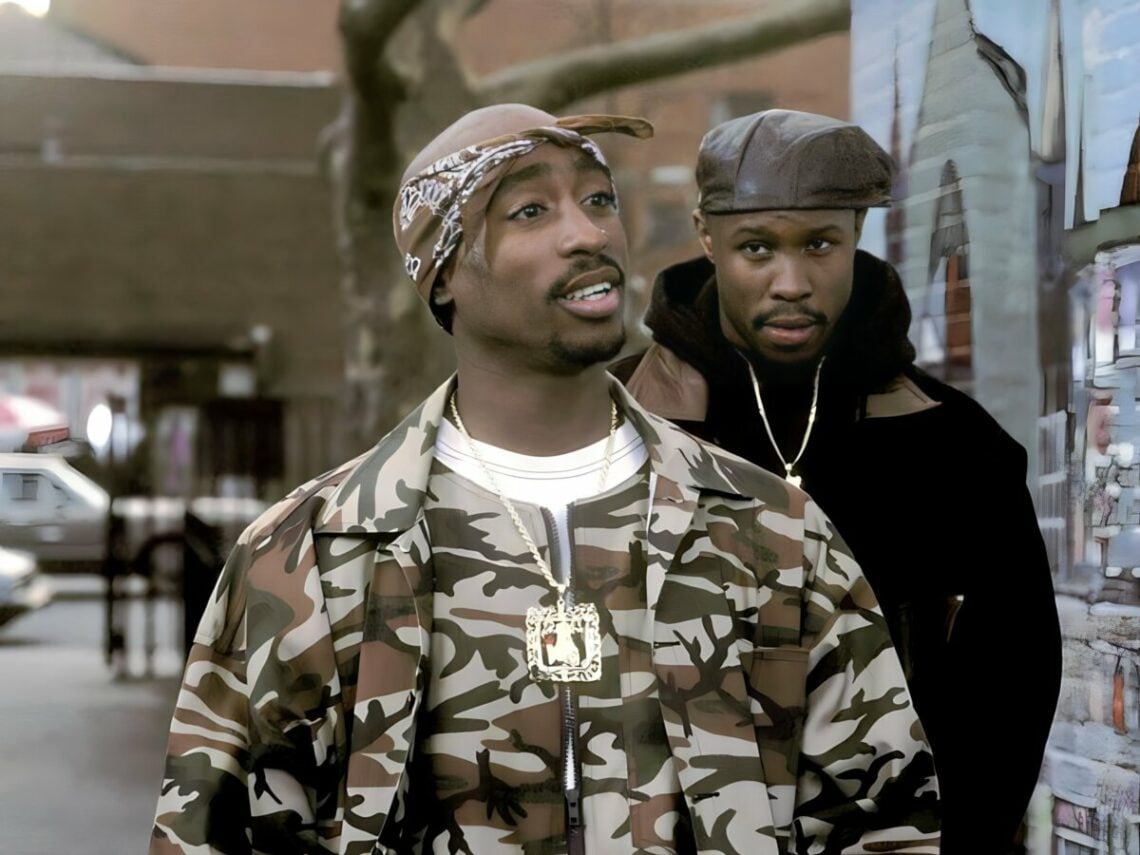
To understand why that opening question mattered, it helps to remember how deeply New York was woven into Tupac’s early life. His mother, Afeni Shakur, was a Black Panther who stood trial in the Panther 21 case in the city and was acquitted of more than 150 charges only a month before he was born. He grew up surrounded by that history. In 1984, when his family moved to Baltimore, he was 13, and the New York he left behind was the one that had shaped his sense of politics, identity and family.
Baltimore changed him again, but in a different way. He transferred to the Baltimore School for the Arts, where he studied acting, poetry, jazz and ballet, and where he became friends with a young Jada Pinkett. He performed in Shakespeare plays and danced in The Nutcracker. It is easy to forget, given the image he cultivated later, that he was trained as a serious performer. The artist who would become known for hard-edged records had spent his teenage years learning stagecraft.
In 1988, the family moved again, this time to Marin City, California, in the San Francisco Bay Area. Tupac later described the move as the point where he got off track, according to one account of his life. Yet it was also where he began to build his music career, and he was soon working with Digital Underground as a roadie and backup dancer before releasing 2Pacalypse Now in 1991. One of his earliest stage names, MC New York, is a reminder of how much of the city he carried with him even as he built a life on the other side of the country.
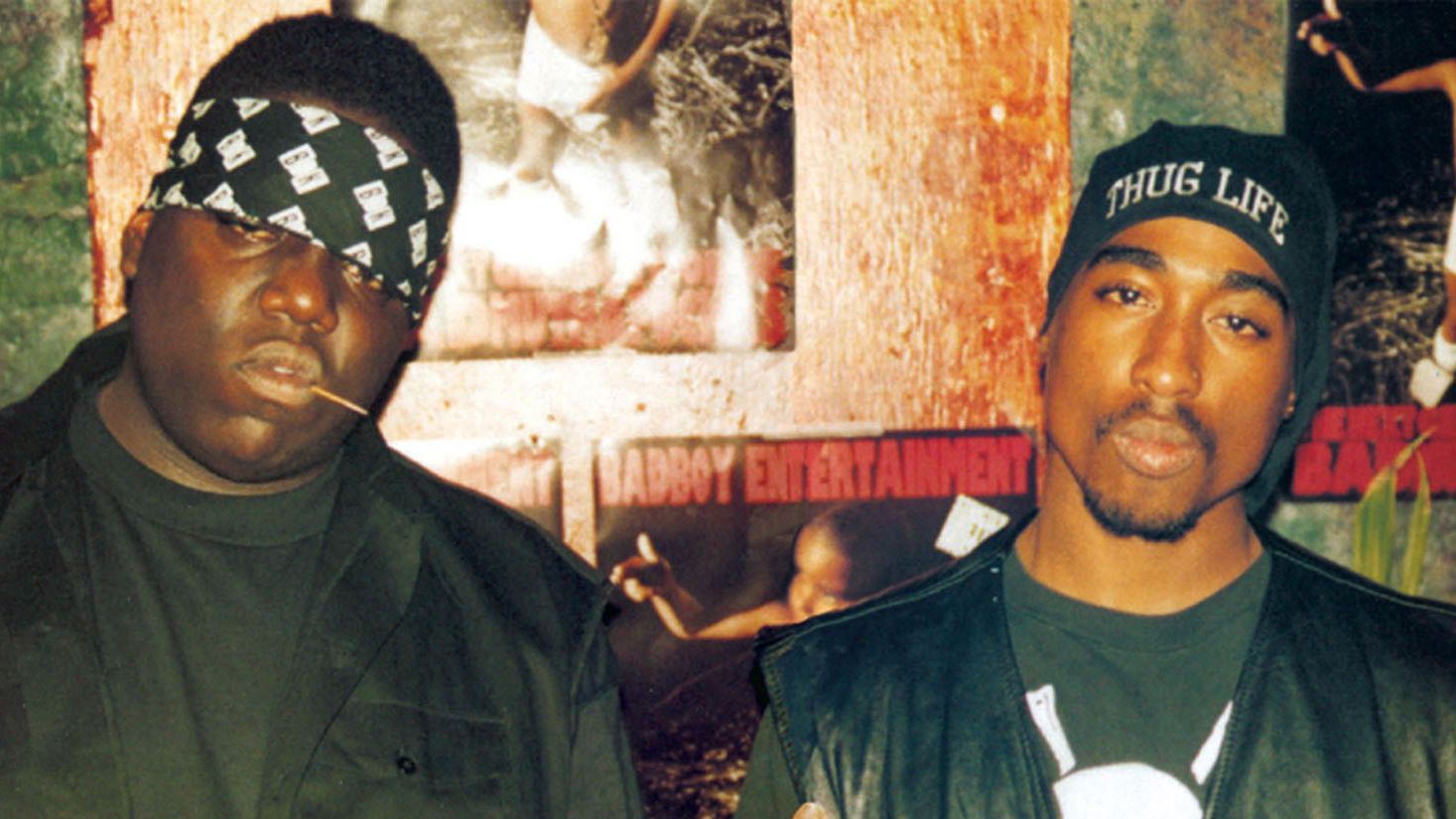
Then came the events that turned geography into a fault line. Tupac was shot five times and robbed in the lobby of a New York recording studio, an incident that left a deep mark on him and later fed into the bitterness between him and several East Coast figures. He went on to sign with Death Row Records and became the centre of the feud with The Notorious B.I.G. and Bad Boy Records. By the time he spoke to Martinez in 1996, he was an artist whose story had been flattened into a simple rivalry between two coasts.
That is why the idea of him wanting to explain that he was not at war with all of New York is so striking. Martinez has since said that he wanted to clarify that his problems were not with an entire coast, and the city he was supposed to be fighting was also the place that gave him his start. It suggests the conflict was never as neat as the headlines made it sound. It was personal, tangled and driven by specific people and incidents rather than by a map.
It also explains why Martinez was so careful with what she aired. She has said there were things in the conversation that could have hurt people and made a dangerous situation worse. Three decades on, she has now agreed to let the wider world see the tapes in a four-part Netflix series, The Tupac Tapes, due on 27 November according to the announcement, with appearances from names including RZA, Joe Budden, Charlamagne Tha God, Big Boy, Dream Hampton and Wallo. What remains in that footage is not something I can describe, and it would be wrong to guess.
My own view, and it is only that, is that the most valuable thing the series could do is complicate the myth. For years, Tupac has been presented as a West Coast icon, and the feud as a clean split between two sides. His own biography suggests something messier. A man born in Harlem, schooled in Baltimore, shaped in Marin City and shot in Manhattan does not fit neatly into either camp.
So here is the question for hip-hop fans. Does knowing that Tupac was born and raised in New York change the way you see the East Coast and West Coast feud? And if the real story was always more complicated than two rival coasts, why do you think the simple version stuck for so long?