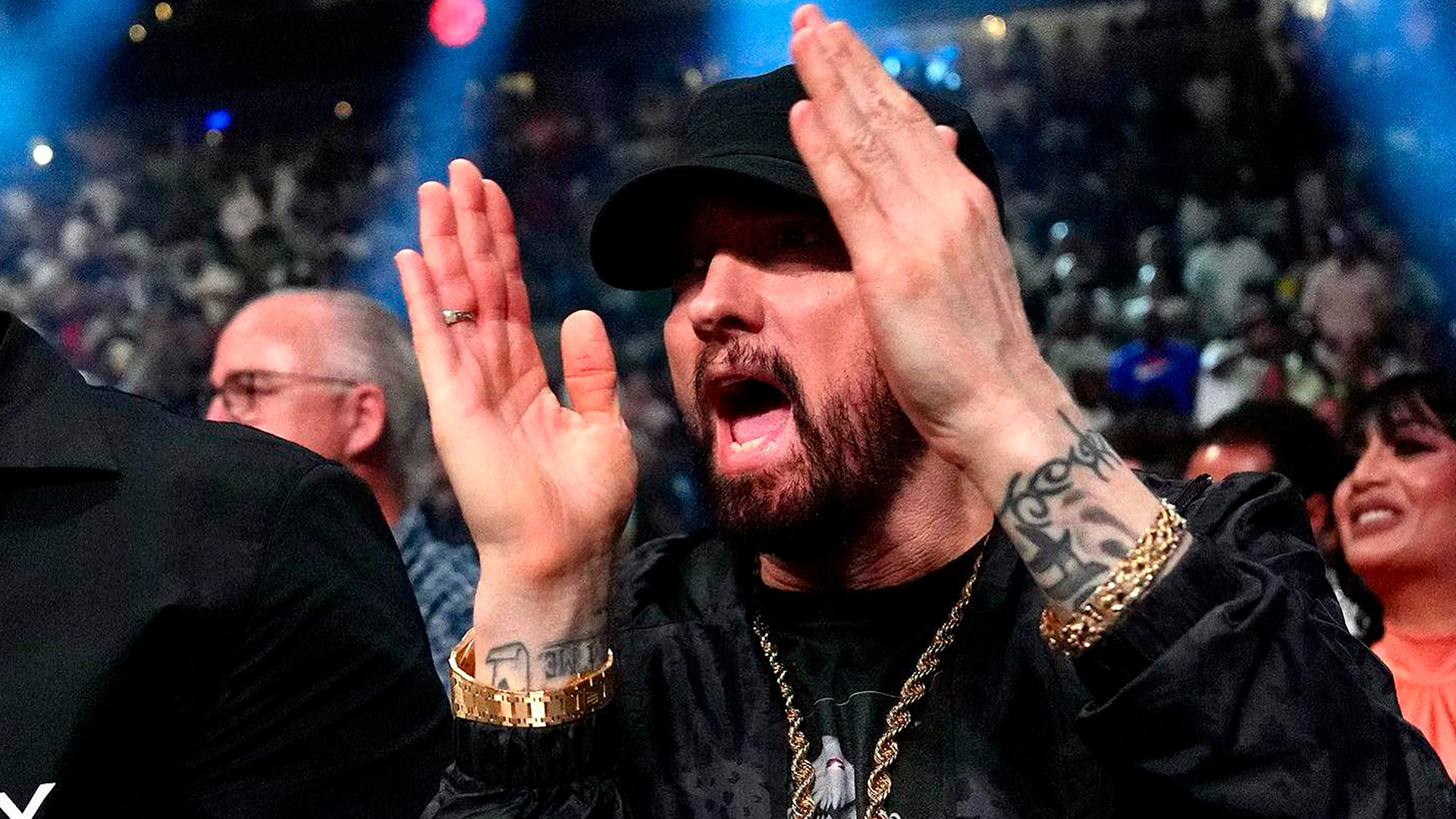
Eminem’s name is the one fans have been chasing since IDK started teasing his new single, but the credit that may matter most is the one sitting next to it. Welcome arrived on 13 November 2026 with Eminem listed as a featured artist and the late J Dilla credited on production. That combination links two of the most important figures to come out of Detroit, and it has been brought together by a rapper from Maryland who has openly cited Eminem as a formative influence.
To see why that matters, it helps to go back to the Detroit of the 1990s. Maurice Malone’s Hip Hop Shop on 7 Mile Road hosted weekly cyphers and Saturday battles, and the events hosted by Proof became a catalyst for Eminem’s emergence. Around the same time, a young producer named James Yancey was building his reputation in the same scene. Complex’s history of Detroit rap has gone as far as dividing the city’s production history into the years before Jay Dee and the years after Dilla, which tells you how large his shadow became.
The two men went on to very different kinds of fame. Eminem signed to Interscope and became one of the biggest stars in popular music, while Dilla made his name through Slum Village and through beats for artists such as A Tribe Called Quest and The Pharcyde. He is widely regarded as one of the most influential producers hip-hop has ever had, and his death in 2006 only deepened that reputation. The result is that Detroit has two poles in the popular imagination, a global breakout star on one side and an underground hero on the other. It is rare to see them credited together on the same record.
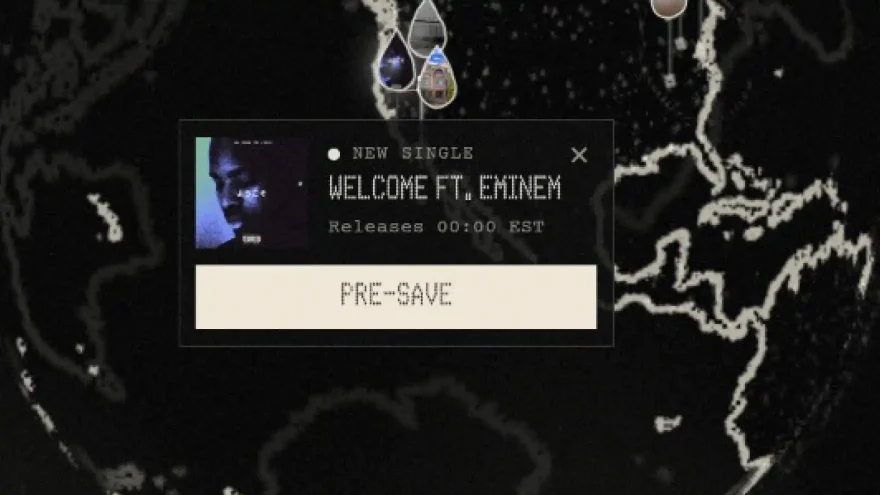
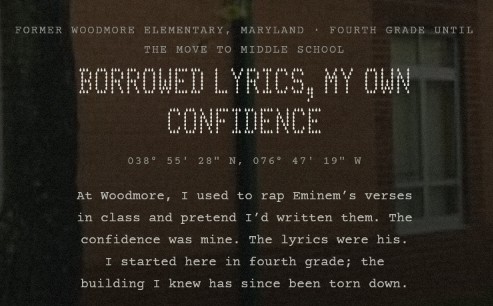
That is where IDK comes in. The rapper and producer was born in London in 1992, raised in Prince George’s County, Maryland, and has built a career on duality, often talking about balancing two worlds. He has been unusually open about his debt to Eminem, telling one interviewer that everything Eminem has done is number one to him when it comes to concept albums. NME has noted that his approach has invited comparisons to Eminem alongside Kendrick Lamar and Kanye West, and IDK has said he welcomes those associations. Another account of his upbringing describes him reciting Eminem’s verses in class as a child, which makes this feature feel like a very personal milestone.
The rollout itself was patient. IDK posted a studio photo of himself with Eminem, a countdown followed, and then a second countdown, until the song finally went live. Early write-ups were split on exactly what Eminem delivers. A headline the day before the release said he would rap over Dilla’s production, while one early review argued his contribution was limited to the chorus and sounded like a sample. That is one critic’s reading, and I would encourage listeners to make up their own minds. The same review called the track solid overall and singled out an eerie backdrop that suits IDK’s aggressive delivery.
What I find most interesting is the timing of the Dilla credit. His production has continued to surface this year, with releases such as Spazzz, a Busta Rhymes and J Dilla track, appearing in August. Each new appearance reopens the same conversation about how much of his catalogue remains to be heard and who is the right artist to put on it. Placing Eminem on one of those beats is a bold choice, because the two have always occupied different corners of the same city’s culture. One built an empire on charged storytelling and technical bravado, the other on warm, off-kilter, sample-based production that artists revere but the mainstream rarely credited.
It also says something about how hip-hop passes influence down. IDK is not from Detroit, yet he has become a kind of bridge between its two traditions. A kid in Maryland learned to rap from Eminem records, grew up to make music of his own, and has now convinced his hero to appear on a beat from one of the genre’s most respected producers. That is the sort of full-circle story the culture loves, though it is worth remembering that a name on a tracklist is not the same as a finished creative conversation.
My own view, and it is only that, is that the Dilla credit is the headline for anyone who cares about hip-hop history, even if the Eminem billing is what will drive the streams. Whether Eminem’s contribution turns out to be a full verse or a smaller appearance, the pairing itself is a reminder that Detroit’s rap legacy is wider than any single name. IDK has given fans a reason to revisit both sides of it.
So where do you land? Is a short Eminem appearance still worth billing as a feature if the beat and the concept are strong enough, or should fans expect a full verse when his name is on the credits? And which unreleased Dilla beat would you most want to hear another legend take on?