Katt Williams, known for his sharp wit and fearless comedy, has ignited controversy with explosive statements about Oprah Winfrey and the hidden power structures of Hollywood.
In a viral interview on Club Shay Shay, Williams exposed what he claims are deep, sinister secrets buried within elite circles—secrets few dare to confront. His revelations have sparked intense debate, with supporters praising his honesty and critics warning that he’s risking his career and safety.
Williams paints Hollywood not as a land of glamour and inspiration, but as a system built on backroom deals, bribery, and silencing dissent. He describes an unwritten “law of silence,” where talent alone isn’t enough—survival depends on knowing when to stay quiet.

Speaking out against powerful figures like Oprah isn’t just challenging an individual; it’s confronting an entire ecosystem designed to protect its own.
Within this closed system, Williams claims that silence is traded for privilege: lucrative roles, endorsements, and continued access to opportunity.
Those who break the silence are labeled “difficult,” “unprofessional,” or “lacking team spirit”—labels that quietly shut doors and push artists to the margins. Personal freedom is sacrificed for image management, as PR teams and managers tightly control every public statement and private emotion.
Williams points to Oprah Winfrey as a central figure in this power structure. Through her media empire, Oprah has shaped public opinion, launched careers, and created a network of influence spanning studios, sponsors, and publishing houses.

Appearing on her platform can transform an artist’s image; being excluded can limit their reach. Williams argues that Oprah’s power is less about direct orders and more about controlling who gets to speak and how they’re perceived.
He also highlights how self-censorship becomes a survival strategy. Many artists, knowing the risks, choose to comply and adapt rather than challenge the system. Williams, however, has always operated outside the industry’s standard track. Rising through independent stand-up, personal DVDs, and live tours, he built financial independence and refused to buy protection or pay for silence.
Williams recounts his own experiences: roles swapped, ideas stolen, and creative credit denied—all part of a system where relationships and obedience matter more than talent.

He describes how intellectual property often belongs to studios, not creators, and how artists with limited bargaining power rarely retain control over their work. He has seen firsthand how refusing to compromise can lead to being labeled “difficult” and losing access to major projects.
The consequences of breaking the silence are severe. Artists who speak out are quietly eliminated through loss of opportunities, delayed contracts, and declining media attention.
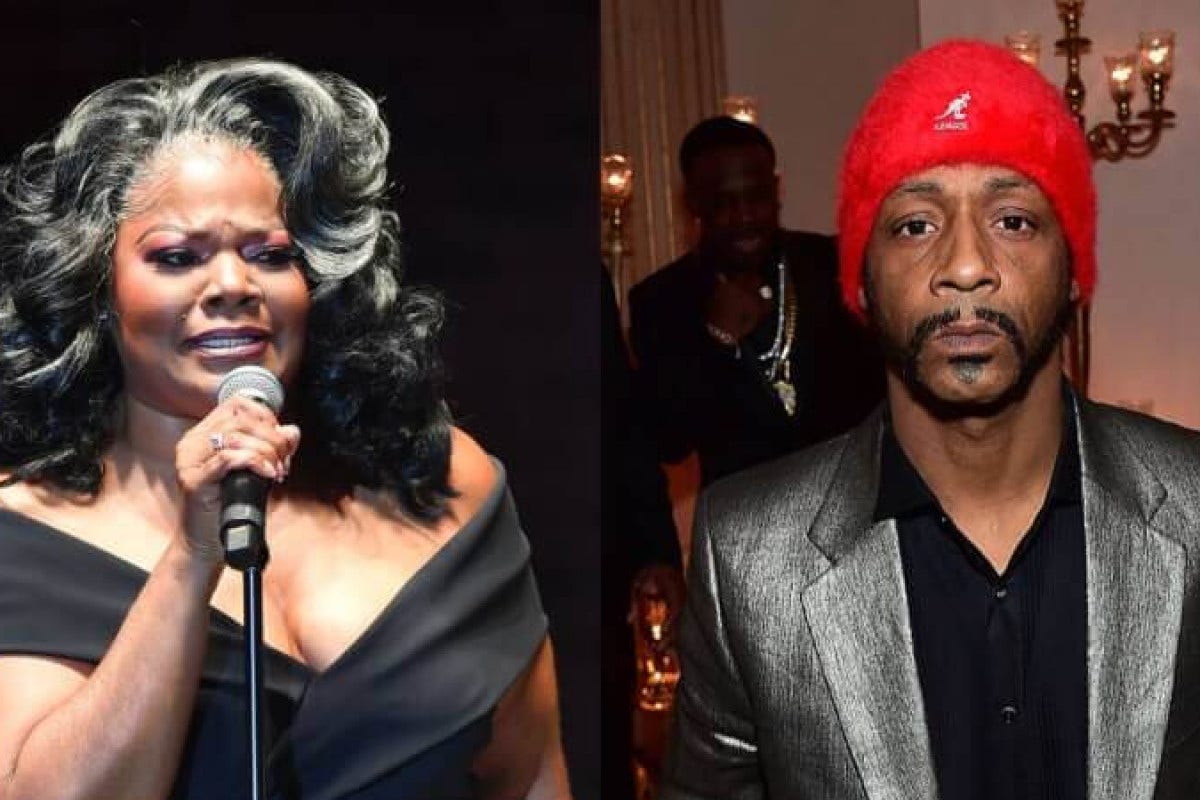
Williams cites examples like Mo’Nique and Brendan Fraser, who faced years of isolation after challenging the industry. Mental health struggles, depression, and addiction are common fallout for those pushed to the margins.
Yet, Williams argues that the rise of podcasts, social media, and independent platforms is shifting the balance of power. Artists can now reach audiences directly, bypassing traditional gatekeepers. The “Katt Williams effect” is evident: his candid interview sparked global debate, encouraging others to share their stories and weakening Hollywood’s ability to control the narrative.
Ultimately, Williams’ message is about integrity. He insists that silence may preserve status, but it enables a distorted system. Speaking out is a moral act, preserving conscience and challenging the industry’s deepest fears—the loss of narrative control. As more artists reject silence, Hollywood faces a reckoning. Power is shifting away from a few media centers toward artists and audiences, making truth harder to bury.
Williams’ bold stand raises a fundamental question: Should artists remain silent to survive, or speak out to preserve their integrity? In an industry dominated by money, media, and power, Williams proves that legends are made not just by talent, but by courage to tell the truth.